A Trump-appointed judge just told Trump he can’t ban reporters from the White House for doing their jobs. And honestly? The fact that we even needed a court to say this out loud is kind of terrifying.
A Trump-appointed judge just told Trump he can’t ban reporters from the White House for doing their jobs. And honestly? The fact that we even needed a court to say this out loud is kind of terrifying.
U.S. District Judge Timothy Kelly – yeah, the guy Trump himself appointed – blocked the president’s attempt to kick out CNN, MSNBC, and Politico reporters from the White House on Tuesday. The preliminary injunction keeps those journalists’ hard passes active while the case works its way through the courts. Which, let’s be real, is probably gonna take a while.
When Your Own Judge Rules Against You
Here’s what makes this particularly awkward for Trump: Kelly wrote a 26-page decision explaining exactly why yanking press credentials is likely – and I love that he said “likely” because legally he has to hedge, but come on – a violation of the First and Fifth Amendments. You know, those things we supposedly care about.

The judge didn’t mince words either. He wrote that Trump’s move “is the sort of action that would deter a reasonable reporter or news organization from publishing stories to which he objects.” Translation: This was retaliation. Plain and simple.
But it gets better. Kelly also pointed to Trump’s own comments – because of course Trump couldn’t help himself – as evidence that he was trying to punish these outlets for their coverage. “The revocation of Plaintiffs’ hard passes matters a lot as to how, whether, and to what extent they can do their jobs,” Kelly wrote. Which, yeah. That’s kind of the whole point of press freedom?
Trump Saw This Coming
The wild thing is Trump basically admitted he expected to lose. He posted on Truth Social last month that if Kelly ruled against him, the Justice Department would appeal. So he knew this was coming and did it anyway. Make of that what you will.
Why Hard Passes Actually Matter
Look, I know some people think this is just about a few reporters getting their feelings hurt. But that’s not what’s happening here at all.
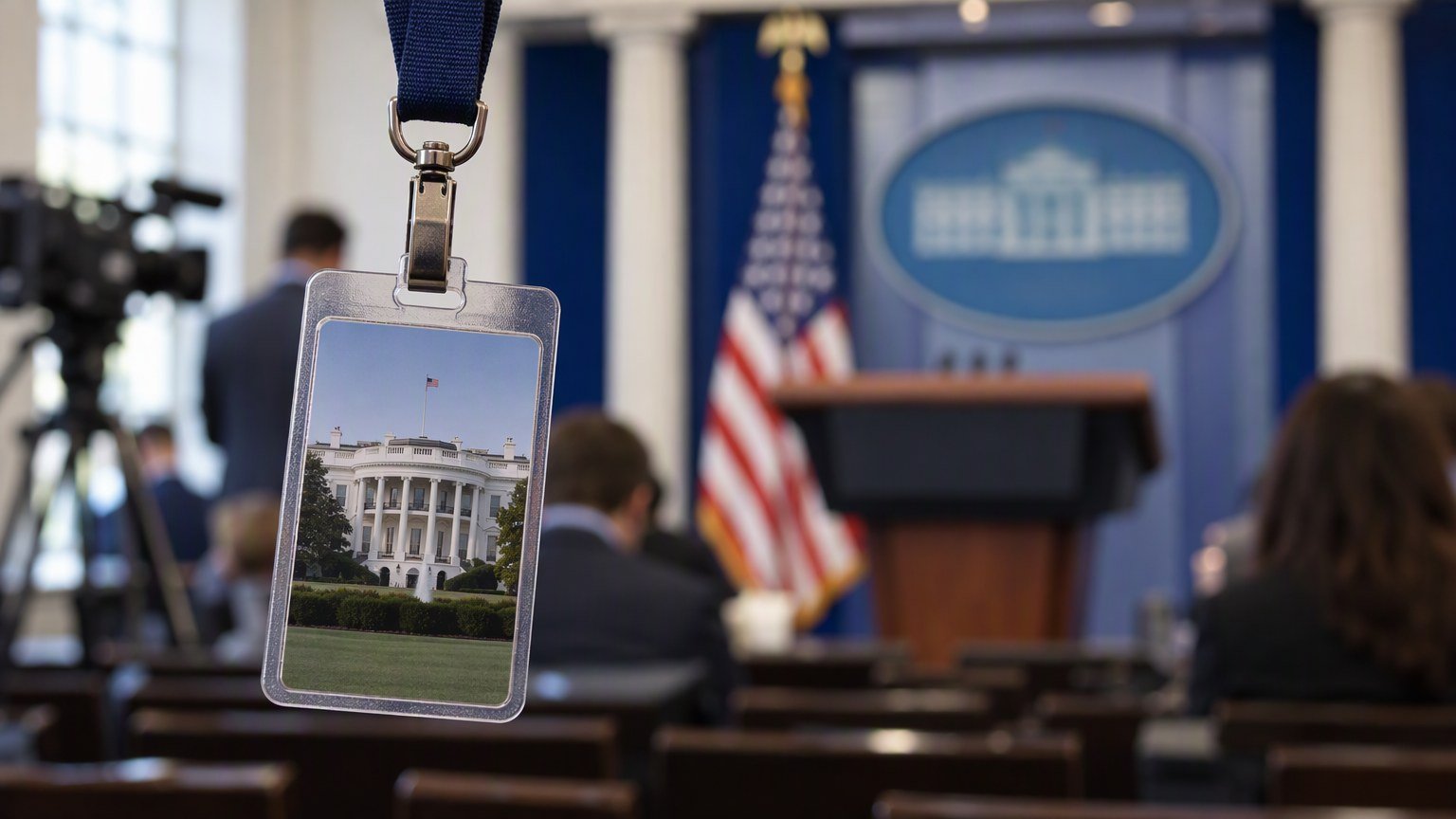
A White House hard pass isn’t some status symbol. It’s literally the thing that lets journalists do their job – get into press briefings, ask questions, report on what the president is actually doing with the power we gave him. Without it, you’re basically shut out. Sure, you can still write stories, but you’re writing them from outside the building where the news is happening.
And that’s exactly what Trump wanted. Kelly’s ruling pointed out that Trump’s actions were designed “to alter their reporting on him.” Not to improve security. Not because these reporters violated some protocol. But because he didn’t like what they were writing.
“It is likely that President Trump’s revocation of Plaintiffs’ hard passes is the sort of action that would deter a reasonable reporter or news organization from publishing stories to which he objects.”
That quote from Kelly’s decision should honestly be taught in every civics class. Because that’s what authoritarianism looks like in practice – not tanks in the streets, but a slow squeeze on the people whose job is to watch the powerful.
This Isn’t New, But It’s Getting Worse
The thing is, presidents have always had tense relationships with the press. That’s actually how it’s supposed to work. Reporters are supposed to be annoying. They’re supposed to ask uncomfortable questions and publish stories that make people in power squirm.
But there’s a difference between being frustrated with coverage and actively trying to silence it. And Trump crossed that line. He’s been pretty open about it, actually – constantly attacking the “fake news media,” calling reporters “enemies of the people,” and now literally trying to ban specific outlets from doing their jobs. Trump's Nobel Meltdown shows how quickly attacks on unfavorable coverage become part of a president's public political persona.
What worries me is how normalized this has become. Like, we’re at the point where a federal judge has to step in and remind a sitting president that he can’t just kick out reporters he doesn’t like. And half the country is probably reading this thinking “So what? Those outlets are biased anyway.” ABC to Court over the FCC's license attack is another reminder that political pressure on the media is becoming a broader pattern.
Which… okay, maybe they are. Maybe they’re not. Honestly doesn’t matter. Because the second we say it’s fine to ban reporters based on their coverage, we’ve basically thrown the First Amendment in the trash.
What Happens Next
So where does this go from here? Well, Trump already said he’s appealing. The Justice Department will argue whatever legal theory they can come up with to justify this. And we’ll probably be talking about this case for months, maybe years.
But here’s what I keep thinking about: This ruling is just a preliminary injunction. It’s not the final word. It’s basically the judge saying “Hold up, let’s pump the brakes here until we can figure this out properly.” Which is good! But it also means this fight is far from over.
Theodore Boutrous, the lawyer representing CNN, MSNBC, and Politico, called this a win. And it is. But it’s also kind of depressing that we’re celebrating a court telling the president he can’t silence journalists. Like, that should be baseline stuff.
The broader question – the one that’s gonna keep me up at night – is what happens when these kinds of attacks on press freedom become routine. When we stop being shocked by them. When they’re just another Tuesday in American politics.
Because that’s the real danger here. Not this one ruling. Not even Trump specifically. It’s the precedent. It’s the slow erosion of norms that we thought were untouchable. It’s the idea that maybe, just maybe, it’s okay to punish reporters for doing their jobs if we don’t like what they’re saying.
Judge Kelly did the right thing. But the fact that he had to do it at all should worry all of us. No matter who we voted for.