
Look, I’m just gonna say it – Hollywood has no idea what to do with Street Fighter. They’ve tried twice now (we don’t talk about the 1994 Jean-Claude Van Damme disaster, and the 2009 Legend of Chun-Li was… well, it existed), and both times they missed the point entirely. But here’s the thing…
Look, I’m just gonna say it – Hollywood has no idea what to do with Street Fighter. They’ve tried twice now (we don’t talk about the 1994 Jean-Claude Van Damme disaster, and the 2009 Legend of Chun-Li was… well, it existed), and both times they missed the point entirely. But here’s the thing: if whoever’s making this new attempt actually bothered to watch the right martial arts movies, they might – might – finally get it right.
Because Street Fighter isn’t just about people punching each other. It’s about spectacle meeting skill, about turning a street brawl into ballet with broken bones. And a handful of martial arts films have already cracked that code.
Enter the Dragon Set the Template (And Nobody’s Topped It)
Let’s start with the obvious one, except it’s not obvious enough because apparently every Street Fighter adaptation forgets this exists. Bruce Lee’s 1973 masterpiece Enter the Dragon literally created the tournament fighting movie. The whole thing. Every beat Street Fighter fans love – the global roster of fighters, the mysterious island setting, the escalating stakes, those incredible one-on-one showdowns – it’s all here first.
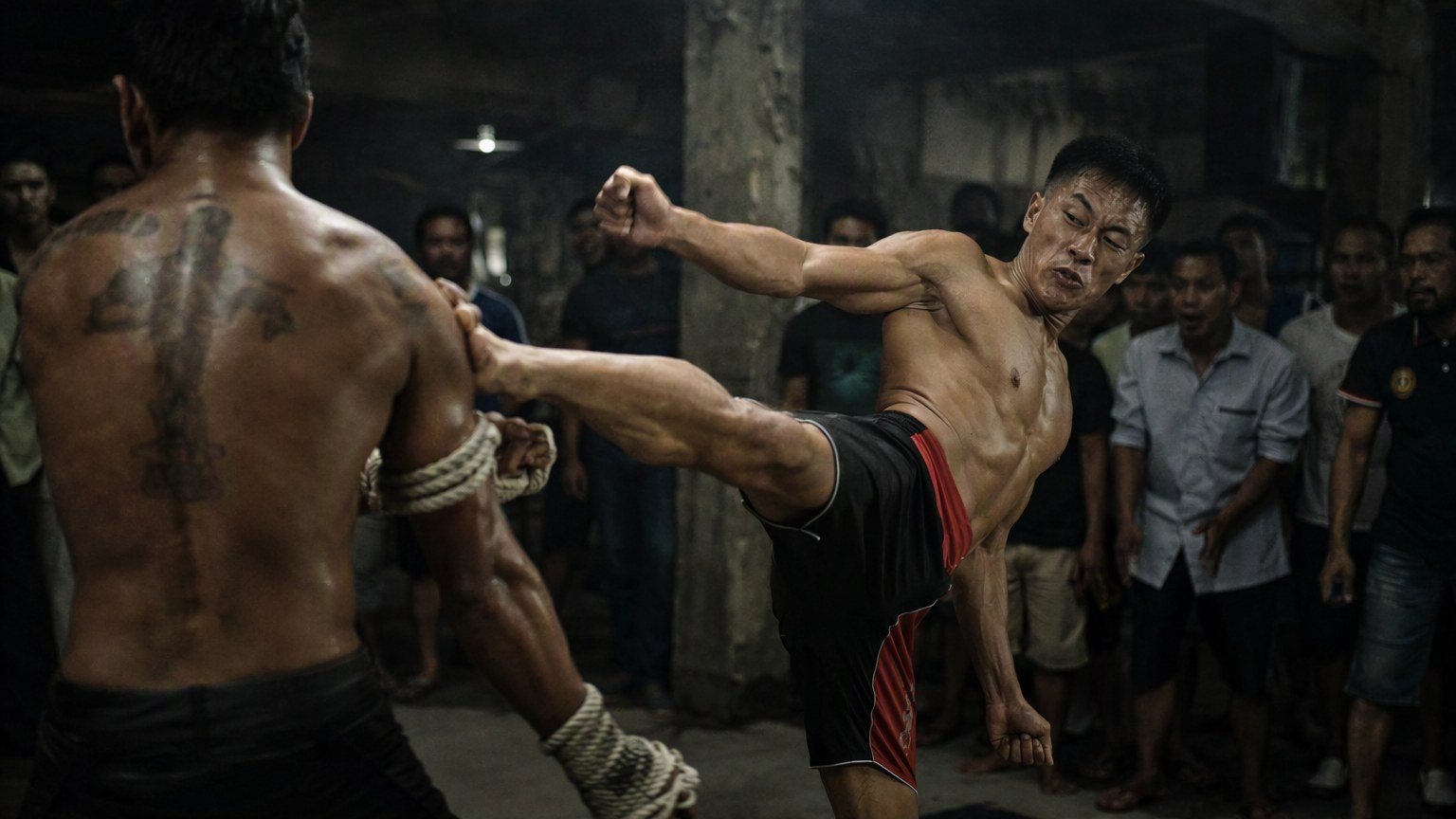
And Lee doesn’t just fight, he performs. That’s the key distinction everyone misses. When he’s in that hall of mirrors facing off against Shih Kien, it’s not realistic combat. It’s choreographed chaos that somehow feels more real than actual fighting because of how committed everyone is to the bit. Street Fighter needs this energy – that weird sweet spot where you know it’s staged but you’re too entertained to care.
The movie also understood something crucial: personality matters as much as technique. Lee’s focused intensity, John Saxon’s cocky American swagger, Jim Kelly’s cool confidence (seriously, Jim Kelly was the coolest person in any room he entered) – these weren’t just fighting styles, they were characters. Ryu and Ken aren’t the same person with different colored gi’s, and your movie better reflect that.
Why Modern Action Forgot This Lesson
We got so obsessed with “gritty realism” in the 2000s that we forgot fights could be fun. Everything became Bourne-style shaky cam or Nolan-esque “grounded” combat, which is fine for those franchises but absolutely wrong for Street Fighter. You can’t make a grounded Hadouken. It’s a ball of energy shot from someone’s hands. Commit to the insanity or go home.
Bloodsport Gave Us the Modern Tournament Formula
I know, I know – Bloodsport is deeply silly. Van Damme’s acting is… well, he’s doing his best. The whole “based on a true story” thing is basically fiction. And yet! This 1988 cult classic understands tournament structure better than films with ten times its budget.
What Bloodsport does brilliantly is give you a variety show of fighting styles. You’ve got Van Damme’s karate, you’ve got Muay Thai destroyers, you’ve got a huge sumo wrestler, you’ve got that terrifying brick-breaking villain Chong Li (played by Bolo Yeung, who is genuinely intimidating). Sound familiar? It should – it’s literally the Street Fighter roster before Street Fighter II made it mainstream.
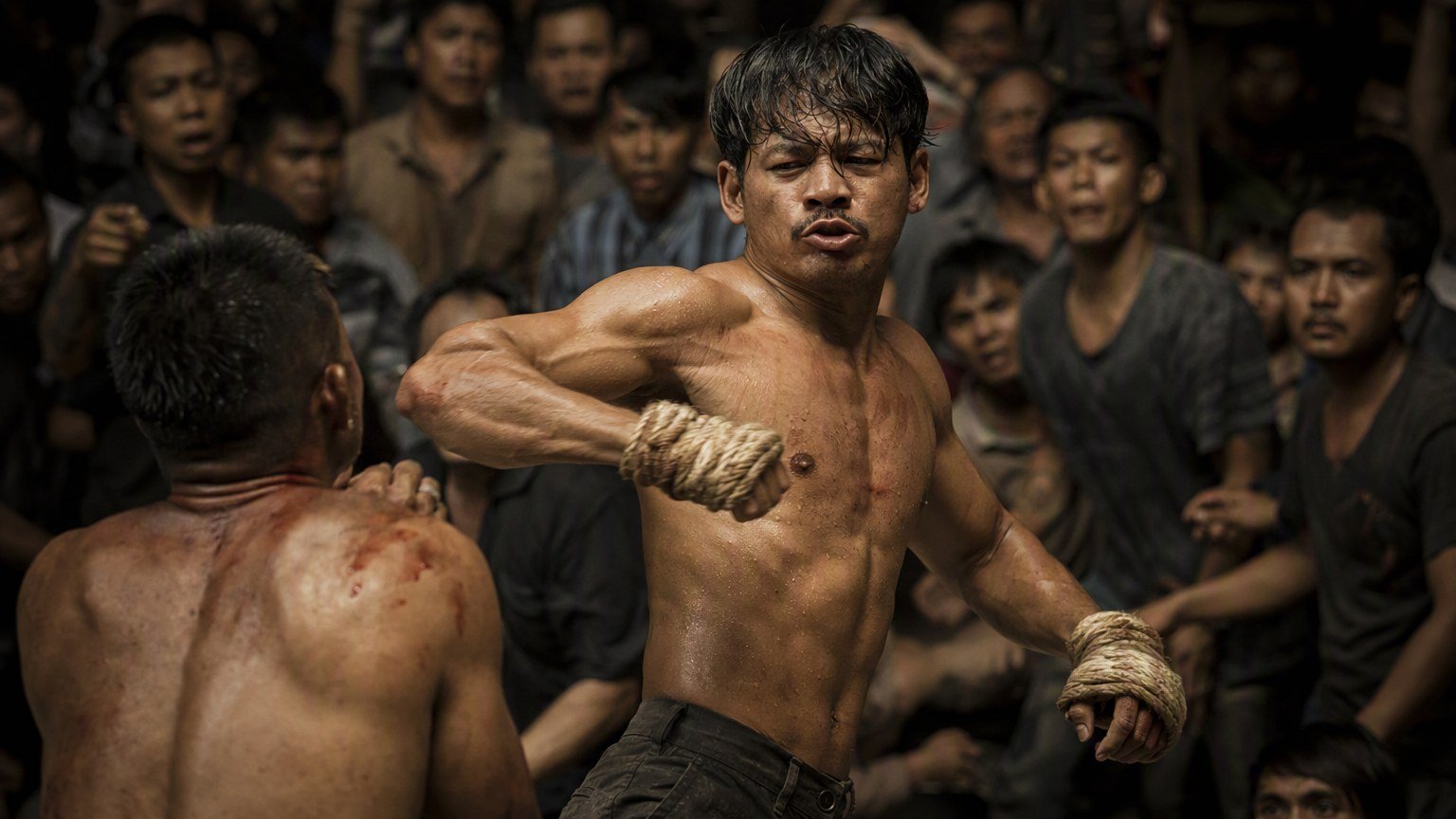
The movie also gets the pacing of escalation. You start with quick knockout fights to establish the stakes, then slow down for character moments, then build to increasingly intense matchups. By the time Van Damme faces Chong Li, you’ve earned that showdown. Street Fighter the game does this too – you don’t fight M. Bison in Round 1.
Not gonna lie, I’ve probably watched the training montage where Van Damme does splits between chairs like fifty times. It’s absurd and kind of beautiful and exactly the tone Street Fighter should embrace.
The Raid Proved You Could Go Bigger
Here’s where things get interesting. Gareth Evans’ 2011 Indonesian masterpiece The Raid (and its even better sequel) showed modern audiences that you could have absolutely bonkers, physics-defying martial arts choreography and still make it feel visceral and real.
The thing is, The Raid doesn’t have fireballs or sonic booms, but watching Iko Uwais and Yayan Ruhian tear through that apartment building feels superhuman anyway. The camera stays wide enough to see the technique, the fights last long enough to build rhythm, and everyone moves with this brutal efficiency that makes every hit count.
This is what Street Fighter’s “grounded” characters need. When Chun-Li does her lightning kicks, we should see every rotation. When Guile throws a Flash Kick, the camera shouldn’t cut away seventeen times. Evans understood that great choreography doesn’t need hiding – it needs showcasing.
“The best martial arts choreography makes the impossible look inevitable – like of course that person just ran up a wall and kicked three guys in the face, what else would they do?”
Crouching Tiger Brought the Wire Work Magic
Ang Lee’s 2000 epic proved you could have art-house credibility and people literally flying through the air. And more importantly, Western audiences ate it up. Made over $200 million worldwide, won four Oscars, and suddenly wire fu wasn’t just for Hong Kong imports anymore.
For Street Fighter’s more fantastical elements – Dhalsim’s stretching limbs, Blanka’s wild movements, Vega’s wall-climbing attacks – this is your blueprint. Crouching Tiger never apologizes for its wire work. Michelle Yeoh and Zhang Ziyi fight across rooftops and treetops like it’s the most natural thing in the world, and we believe it because the movie commits completely.
Plus, and this is important, the film still grounds its characters emotionally. For all the gravity-defying combat, you actually care about these people and their relationships. Street Fighter has decades of character backstory to draw from – Ryu and Ken’s friendship, Guile’s revenge quest, Chun-Li’s history with Bison. Use it. Speaking of mining decades of character backstory, 25 Years Later: Rachel Weisz and Brendan Fraser Reunite proves audiences never forget chemistry from franchises they actually loved.
Ong-Bak Showed Us What “No CGI” Really Means
When Tony Jaa exploded onto the scene in 2003 with Ong-Bak, the marketing screamed “NO CGI! NO WIRES! NO STUNT DOUBLES!” And they weren’t kidding. Watching Jaa flip through a ring of barbed wire or elbow someone’s face into another dimension, you can feel the impact through the screen.
This is crucial for Street Fighter because even with fireballs and tiger uppercuts, the hand-to-hand combat needs to feel dangerous. When Sagat throws a Tiger Knee, we should wince. When Zangief grabs someone for a piledriver, we should feel that oh-shit moment of “that person is actually leaving the ground.”
Jaa also brought Muay Thai into mainstream action consciousness, which feels relevant considering how many Street Fighter characters use striking-heavy styles. His fights have this raw, aggressive energy that video game adaptations usually sand down to PG-13 nothing. Don’t do that. Keep the impact.
What This Actually Means for Street Fighter
The formula is right there. Take Enter the Dragon’s tournament structure and character-driven fighting. Add Bloodsport’s variety of styles and escalating stakes. Film it with The Raid’s wide-angle, long-take approach to choreography. Embrace Crouching Tiger’s unapologetic wire work for the superhuman stuff. And keep Ong-Bak’s bone-crunching physicality so even the fantastical moves feel like they hurt.
It’s not actually that complicated, but it requires committing to what Street Fighter is – a heightened, colorful, occasionally ridiculous celebration of fighting games. You can’t half-ass it with “realistic” military uniforms and muted colors and shaky cam. Ryu wears a white gi with a red headband and no shoes. Blanka is orange and bites people. Dhalsim breathes fire. Either you’re making that movie or you’re making something else.
The 2026 attempt at Street Fighter is supposedly bringing back the World Warrior Tournament concept with a star-studded cast, which at least sounds promising. But I’ve been hurt before. We’ve all been hurt before. The bar is literally on the ground at this point – just watch these five movies, take notes, and maybe finally give us the Street Fighter film that actually feels like Street Fighter. Then again, sometimes a franchise everyone's written off just needs the right person to care about it – Linda Cardellini Finally Saves Friday the 13th by actually understanding what made the original work.
And for the love of god, let the fights breathe. No quick cuts. No hiding the choreography. If you cast someone who can’t actually perform the moves, recast them. This isn’t drama where you can fake it – fighting is the whole point.