





ICE is about to drop $100 million on a domestic surveillance program that’ll put 142 intelligence agents in American cities, and honestly? The speed at which they’re moving should worry you more than the price tag.
ICE is about to drop $100 million on a domestic surveillance program that’ll put 142 intelligence agents in American cities, and honestly? The speed at which they’re moving should worry you more than the price tag.
What ERO ONE Actually Is (And Why the Name Sounds Like a Bad Sci-Fi Movie)
The program’s called Enforcement and Removal Operations Overwatch and National Security Enforcement. ERO ONE for short, because apparently someone at ICE thinks we’re living in a Tom Clancy novel.
Here’s what we know from the contracting documents posted last month – and yeah, they just put this stuff on federal procurement websites like it’s no big deal. These agents will analyze classified and unclassified information to identify “trends, patterns, relationships, threats, and intelligence gaps.” That’s bureaucrat-speak for: we’re going to collect a massive amount of data about people and connect the dots however we want.
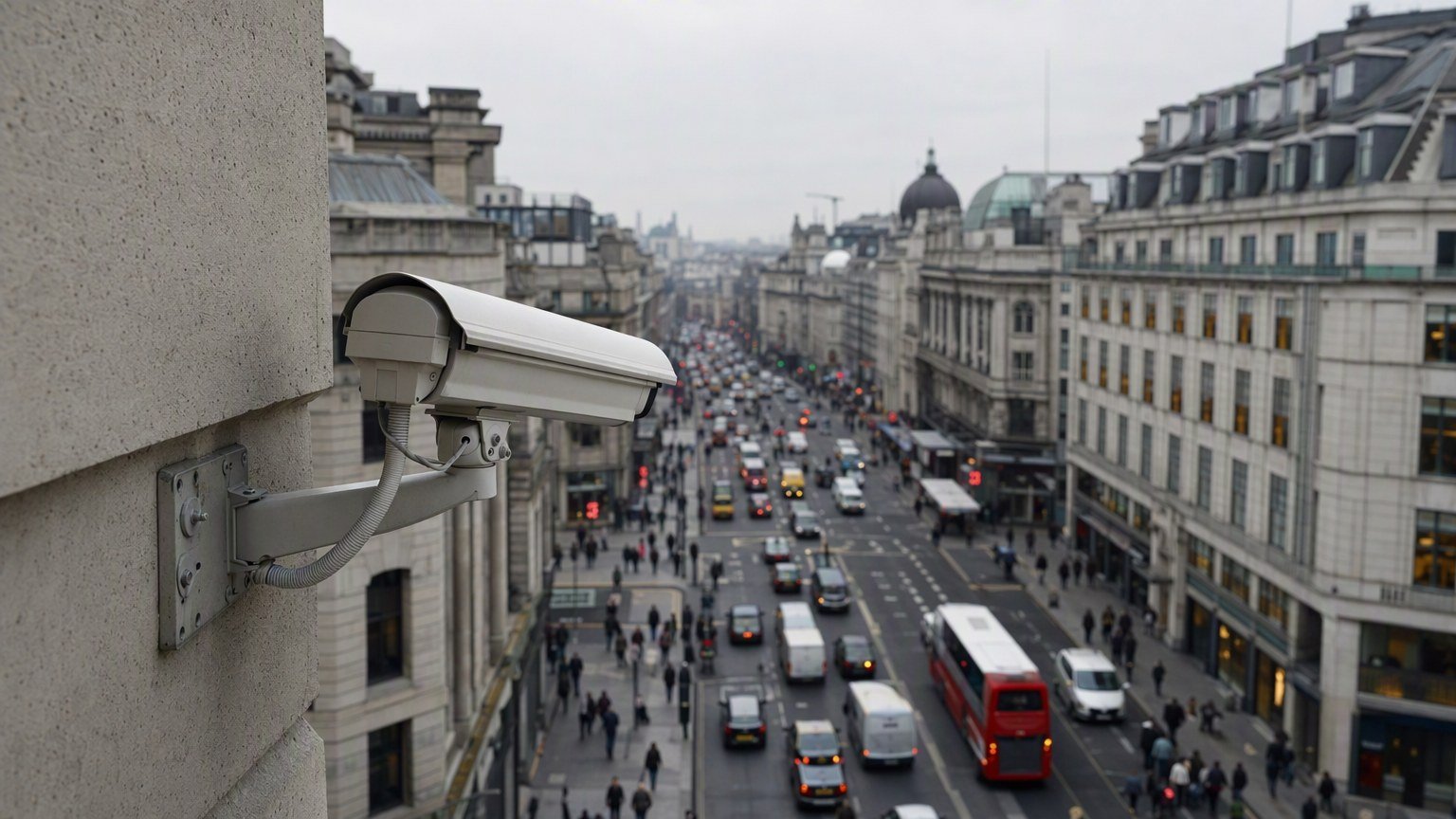
The agents will be embedded in more than two dozen cities plus D.C., feeding intelligence briefings directly to ICE’s Enforcement and Removal Operations. The timeline’s aggressive – solicitation drops December 10th, contract probably gets awarded around February. When a federal agency moves this fast on a nine-figure surveillance program, it’s usually because they’re trying to get it locked in before anyone can raise too many questions.
This Isn’t Just About Immigration Anymore
Look, I’ve been covering surveillance and federal overreach for years, and this one’s different. ICE has always had intelligence capabilities – that’s not new. But embedding 142 dedicated intelligence analysts in cities across America? That’s a fundamentally different operation.
Jay Stanley from the ACLU put it pretty bluntly: “It looks dangerously like the construction of an internal spying agency.” And he’s not wrong. Because here’s the thing – once you build an intelligence infrastructure like this, it doesn’t just sit there collecting dust between immigration raids. The Silicon Shadow: Palantir's Quiet Takeover of Britain is another case study in how surveillance infrastructure gets normalized fast.
These agents will have access to both classified and unclassified data sources. That means everything from license plate readers to social media to God knows what kind of information-sharing agreements with local police departments. The “intelligence gaps” they’re supposed to identify? That’s the scary part, actually. That means they’re actively looking for new sources of information they don’t already have. The Terrorist Chatbot Gold Rush Has Begun with similar questions about what happens when surveillance tools meet AI capabilities.
The Mission Creep Problem Nobody Wants to Talk About
What starts as immigration enforcement has this nasty habit of expanding. We’ve seen it before. ICE already conducts surveillance that goes way beyond what most Americans think they’re doing. And now they want to formalize it, expand it, and embed it in our cities.

The statement of work talks about providing briefings for “Enforcement and Removal Operation missions,” but let’s be real – once you’ve got 142 intelligence analysts on the payroll with access to massive data streams, the mission expands. It always does.
“It looks dangerously like the construction of an internal spying agency. It’s a nightmare.”
The Contracting Timeline Tells You Everything
September 18th: Statement of work published. September 11th (a week earlier): Forecasting document goes up saying solicitation comes December 10th. February: Contract award expected.
That’s fast. Really fast for a $100 million program. Contracting experts who looked at this timeline said it suggests ICE is trying to push this through before the political environment might shift. And I mean, can you blame them? This is the kind of program that tends to attract attention once people realize what’s actually being built.
The fact that they’re calling it “Overwatch” is almost comical if it wasn’t so concerning. Overwatch. Like they’re not even trying to hide the surveillance state vibes anymore.
What This Actually Means
Here’s what keeps me up at night about ERO ONE: it’s not just that ICE wants to spy on people in American cities. It’s that they’re building permanent infrastructure to do it.
142 agents sounds like a lot because it is. That’s not a pilot program. That’s not a temporary surge. That’s a permanent intelligence apparatus embedded in the fabric of American cities, hoovering up data and looking for patterns. And once it’s built, once the contracts are signed and the agents are hired and the data pipelines are flowing? Good luck shutting it down. When Starlink Goes Dark: Ukraine's Overnight Blackout Mystery shows what infrastructure shutdowns look like in real time.
We’re supposed to trust that this’ll only be used for immigration enforcement. That the intelligence will stay focused on removals and national security threats related to immigration. But that’s not how these things work. Not really. The capabilities get built, the data gets collected, and then – slowly, quietly – the mission expands.
$100 million buys a lot of surveillance. The question nobody’s really asking yet is: who’s actually being watched here?