





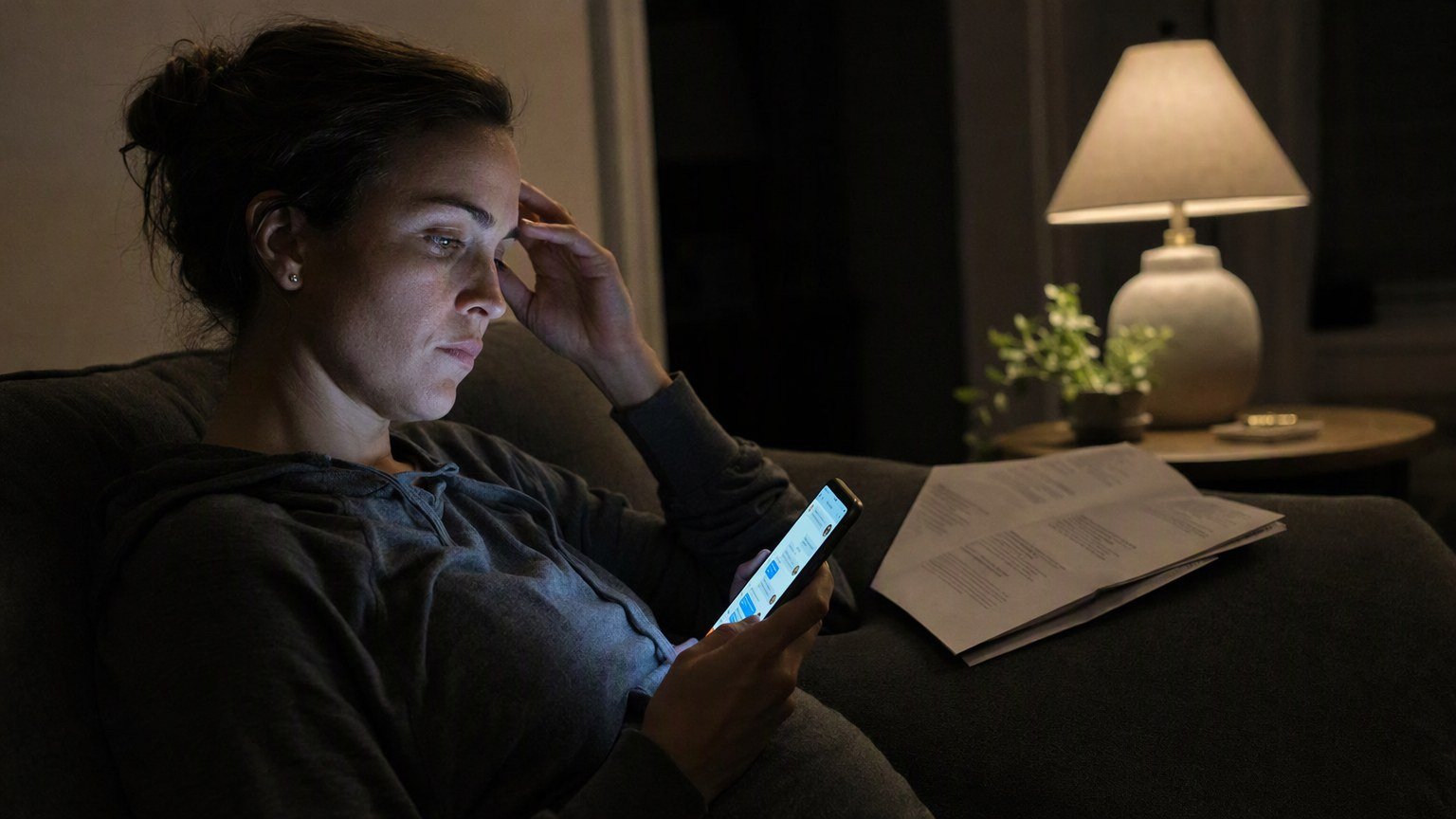
Somewhere right now, a tired parent is sitting on their couch after the kids are finally asleep, phone in hand, typing something like “who should I vote for in my state’s attorney general race” into ChatGPT. And look, I get it. Totally get it. Midterm ballots are long, confusing, and full of…
Somewhere right now, a tired parent is sitting on their couch after the kids are finally asleep, phone in hand, typing something like “who should I vote for in my state’s attorney general race” into ChatGPT. And look, I get it. Totally get it. Midterm ballots are long, confusing, and full of names nobody’s heard of running for offices most of us couldn’t explain if you held a gun to our heads. So people are turning to AI chatbots to help them figure out who to vote for. This is happening right now, as midterm voting gets underway across the country. And I have some thoughts.
Wait, People Are Actually Doing This?
Yeah. Not a tiny fringe thing either, from what I’m seeing and hearing from folks covering this closely. People are pasting their sample ballots into chat windows and asking an algorithm to walk them through down-ballot races, judicial retention questions, school board candidates, the whole mess. And honestly? Midterm ballots are a nightmare for the average voter. You’ve got a presidential race every four years that gets wall-to-wall coverage, and then you’ve got this – dozens of names for soil and water conservation board, water district commissioner, some judge up for retention that nobody’s ever profiled on the local news.
So when a tool promises to summarize a candidate’s positions in ten seconds flat, instead of you spending forty-five minutes digging through campaign websites that haven’t been updated since 2019? Yeah, people are gonna use it. I would too, if I’m being honest. The problem is what happens after you hit enter.
The Confidence Problem
Here’s the thing that worries me most. ChatGPT doesn’t say “I’m not totally sure about this” very often. It just answers. Smoothly, confidently, in complete sentences that sound like they came from someone who actually knows what they’re talking about. And that’s exactly the problem – it can be wrong, or outdated, or working off incomplete information about a local water board candidate, and you’d never know from the tone of the answer. The chatbot doesn’t hedge the way a real person would. It doesn’t say “well, I read one article about this guy and I’m honestly not sure.”
So Is This Actually Dangerous, Or Am I Overreacting?
I’ve gone back and forth on this one. Part of me thinks: fine, whatever, people have always used shortcuts to vote. Sample ballots mailed by advocacy groups, newspaper endorsements, that one coworker who “follows politics” and tells everyone in the break room who to pick. AI is just the newest shortcut. The other part of me thinks this is categorically different, because these systems can sound authoritative while being confidently, cleanly wrong, and most people have no idea how to check its work on a county commissioner race that got zero local news coverage.
And that’s really the crux of it. Newspaper endorsements come with a byline, a known editorial board, a track record you can judge. A chatbot’s answer comes with nothing. No sourcing you can see unless you ask for it. No “this is my opinion as a conservative paper” disclaimer. Just a clean, confident paragraph that feels like truth.
“I don’t have time to research every single name on this ballot, so why wouldn’t I ask the thing that already seems to know everything?”
That’s basically the sentiment driving a lot of this, and I don’t think it’s unreasonable. People are busy. Midterms don’t get the attention presidential years do, turnout is already embarrassingly low most cycles, and anything that gets more people engaged with their ballot instead of skipping the down-ballot stuff entirely… that’s not nothing. But “engaged” and “well-informed” aren’t the same thing, and that gap is where this gets messy. Even high-profile moments, like Mark Ruffalo's vote war with Trump, haven't managed to shift that attention much.
What Nobody’s Really Talking About
The part that doesn’t get enough attention, in my opinion, is bias baked into training data. These models learn from the internet, and the internet is not exactly a neutral, balanced place. Ask the same question five different ways and you can get five subtly different framings of a candidate or an issue. Most people asking “who should I vote for” aren’t going to ask five different ways. They’re going to ask once, read the answer, and go vote. That’s just how people work. We’re not all sitting there cross-referencing a chatbot’s output against three newspapers and a candidate’s actual voting record. Who has time for that. It's the same kind of opaque, unaccountable decision-making that led Maryland to outlaw the algorithm that prices you.
And there’s something a little unsettling about outsourcing a civic decision – a decision that’s supposed to be yours, messy and uninformed and biased as it might be – to a system trained by a handful of companies most of us couldn’t name the ownership structure of if asked. I’m not saying don’t use it. I’m saying use it like you’d use a nosy neighbor’s opinion: interesting, maybe useful as a starting point, definitely not the final word. That lack of oversight became obvious when the Senate recently killed a bill meant to shield you from AI's power bill surge.
What This Actually Means
Look, I don’t think AI chatbots are going to single-handedly tank democracy or whatever doom-and-gloom headline you want to slap on this. But I do think we’re watching something shift in real time, and most people haven’t fully clocked it yet. Voting used to require at least a little friction – you had to find information, weigh it, sit with your own uncertainty. Now that friction is disappearing, replaced by a tool that answers instantly and sounds sure of itself even when it probably shouldn’t be.
Maybe that’s progress. Maybe it just means more people actually fill out their whole ballot instead of leaving half of it blank out of sheer confusion. But I keep coming back to one question, and it’s one I don’t have a tidy answer for: when the machine tells you who to vote for, and you believe it because it sounds so confident, whose decision is that really?



