
So Maryland just did something that should make every company running a pricing algorithm a little nervous. Starting in a few months, businesses in the state won’t be allowed to use what’s called “surveillance pricing” – basically charging you more (or less) based on everything the internet…
So Maryland just did something that should make every company running a pricing algorithm a little nervous. Starting in a few months, businesses in the state won’t be allowed to use what’s called “surveillance pricing” – basically charging you more (or less) based on everything the internet knows about you, from your browsing history to your location to how desperate you seem to buy something right this second. And honestly? It’s about time someone put this on paper.
Wait, What Even Is Surveillance Pricing
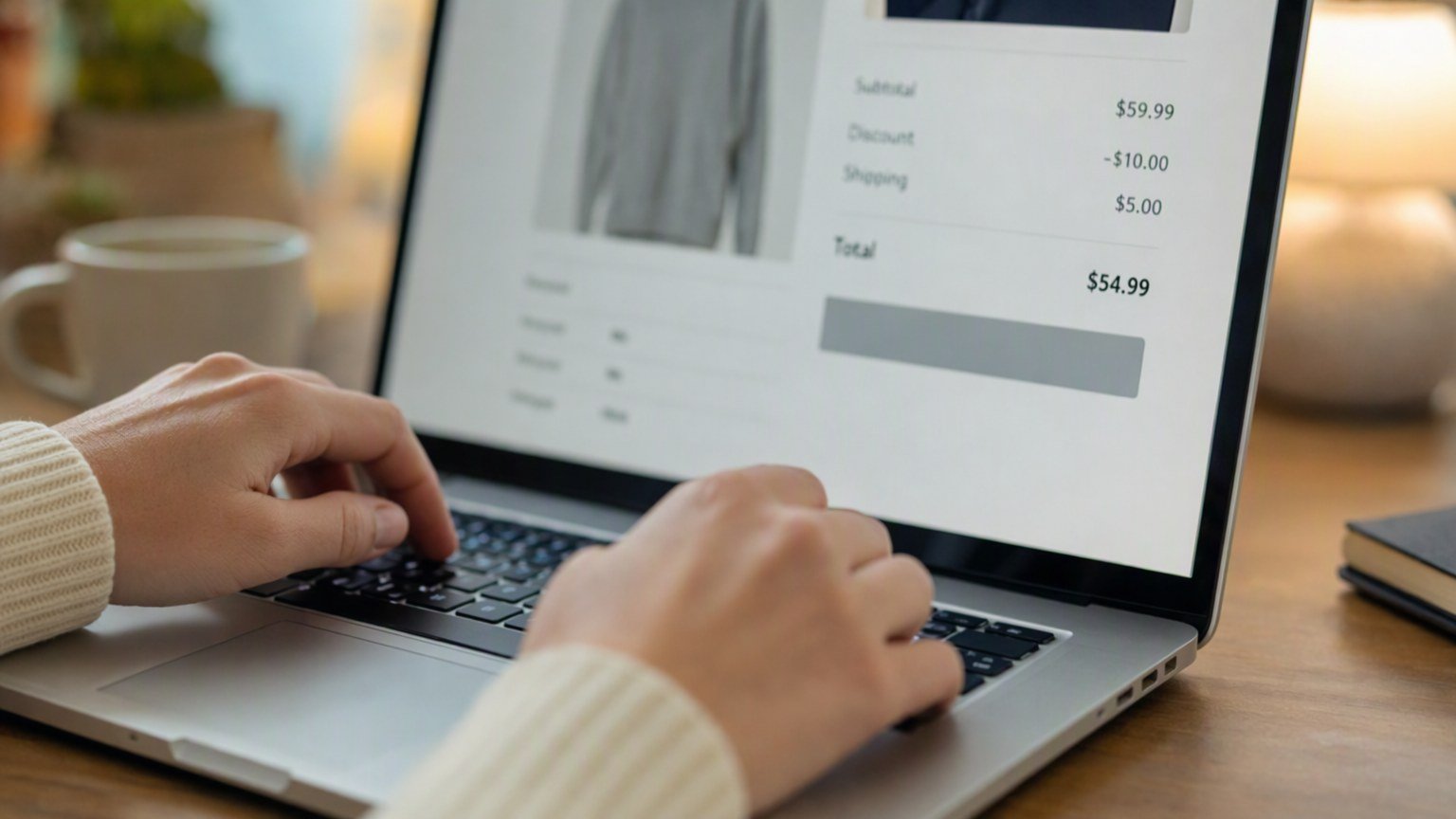
Here’s the thing – you’ve probably experienced this without knowing the name for it. You search for a flight six times in one day and suddenly the price jumps. You open an incognito tab and the hotel room is $40 cheaper. That’s not your imagination. That’s companies scraping your data – device type, location, browsing behavior, sometimes even stuff like your income bracket or shopping habits – and feeding it into an algorithm that decides, in real time, how much you specifically should pay.

Not the same thing as a store running a sale or airlines doing dynamic pricing based on seat demand, by the way. Those are more old-school economics. This is different. This is pricing built around you as an individual, using data you never agreed to hand over for that purpose. Big difference. One is “prices change because supply and demand,” the other is “prices change because we know you just got paid and you’re the type who doesn’t comparison shop.”
Why Maryland, Why Now
Maryland lawmakers didn’t just dream this up in a vacuum. Reporting over the last couple years – including some digging from the FTC under its surveillance pricing inquiry – has shown just how widespread this practice has gotten. Retailers, delivery apps, even some rideshare companies have been accused of leaning on personal data to squeeze a little more out of certain customers. And when regulators started actually looking under the hood, it wasn’t pretty.
So What Does the Law Actually Do?
The law bans businesses from using a person’s personal data – think location, browsing history, purchase history, demographic info – to set an individualized price that’s different from what everyone else pays for the same product or service. It’s aimed squarely at that invisible math happening behind the scenes every time you load a checkout page.
Companies that violate it could be on the hook under Maryland’s consumer protection statutes, which, let’s be real, isn’t nothing. These aren’t toothless warnings. Maryland’s attorney general’s office has shown it’s willing to go after companies that misuse consumer data before, so this isn’t just a symbolic gesture tacked onto some omnibus bill nobody read.
“Consumers deserve to know they’re paying what everyone else pays – not a price calculated from a profile built on their own browsing habits.”
That’s basically the whole argument in one sentence, and I don’t think it’s a controversial one. Nobody actually wants to find out the guy next to them on the train got the same pair of sneakers for 15 bucks less because his phone told the algorithm he was more price-sensitive.
Why This Is Bigger Than Maryland
Look, Maryland isn’t exactly the first state to poke at this issue – California and a handful of others have been circling similar ideas, mostly around requiring disclosure rather than outright bans. But this law goes further by actually prohibiting the practice rather than just saying “hey, at least tell people you’re doing it.” That’s a meaningful jump. Disclosure laws are fine, but let’s not pretend a little pop-up saying “this price may vary based on your data” actually stops anyone from clicking “buy” anyway. People are tired, people are busy, people don’t read the fine print. We all know this. That's a sharp contrast to the federal level, where lawmakers can't even manage it – see the Senate Kills Bill to Shield You From AI's Power Bill Surge, which died by just three votes.
What’s interesting here is the timing. Algorithmic pricing has exploded over the last few years because the tools got cheap and good enough that basically any mid-size retailer can plug into a pricing engine built by a third-party vendor. It’s not just the Amazons of the world anymore. Grocery delivery apps, ticket resellers, even some gas station chains have experimented with versions of this. So when one state draws a hard line, it puts pressure on every company doing business there to either rework their pricing models for Maryland specifically or just… stop doing it everywhere. Nobody wants to maintain two separate pricing systems. That’s expensive and messy.
And that’s really the quiet power of state-level consumer protection laws. California proved this with privacy law – once one state forces companies to build compliant systems, those companies often just roll the changes out nationally because maintaining a patchwork is a pain. I wouldn’t be shocked if Maryland’s law ends up functioning as a de facto national standard for some companies, even outside Maryland’s borders.
What This Actually Means
I’ll be honest, I don’t think this law alone fixes the surveillance pricing problem. Enforcement is going to be the real test – proving that a company used your personal data specifically to jack up your price is going to require some actual investigative muscle, and these algorithms aren’t exactly transparent about their own logic. Companies can get cagey fast when regulators start asking “show me the code.”
But as a first step? It’s a good one. It names the problem out loud and says, in writing, that it’s not okay. That matters more than people give it credit for. Laws like this tend to start small, get tested in court, get refined, and then spread. Give it two or three years and I’d bet money other states follow Maryland’s lead, probably with their own tweaks.
The bigger question is whether consumers will even notice the difference. Prices might not look dramatically different day one. But somewhere, in some backend system, a line of code that used to check your zip code before quoting you a price just got switched off. That’s not nothing. That’s the whole point.