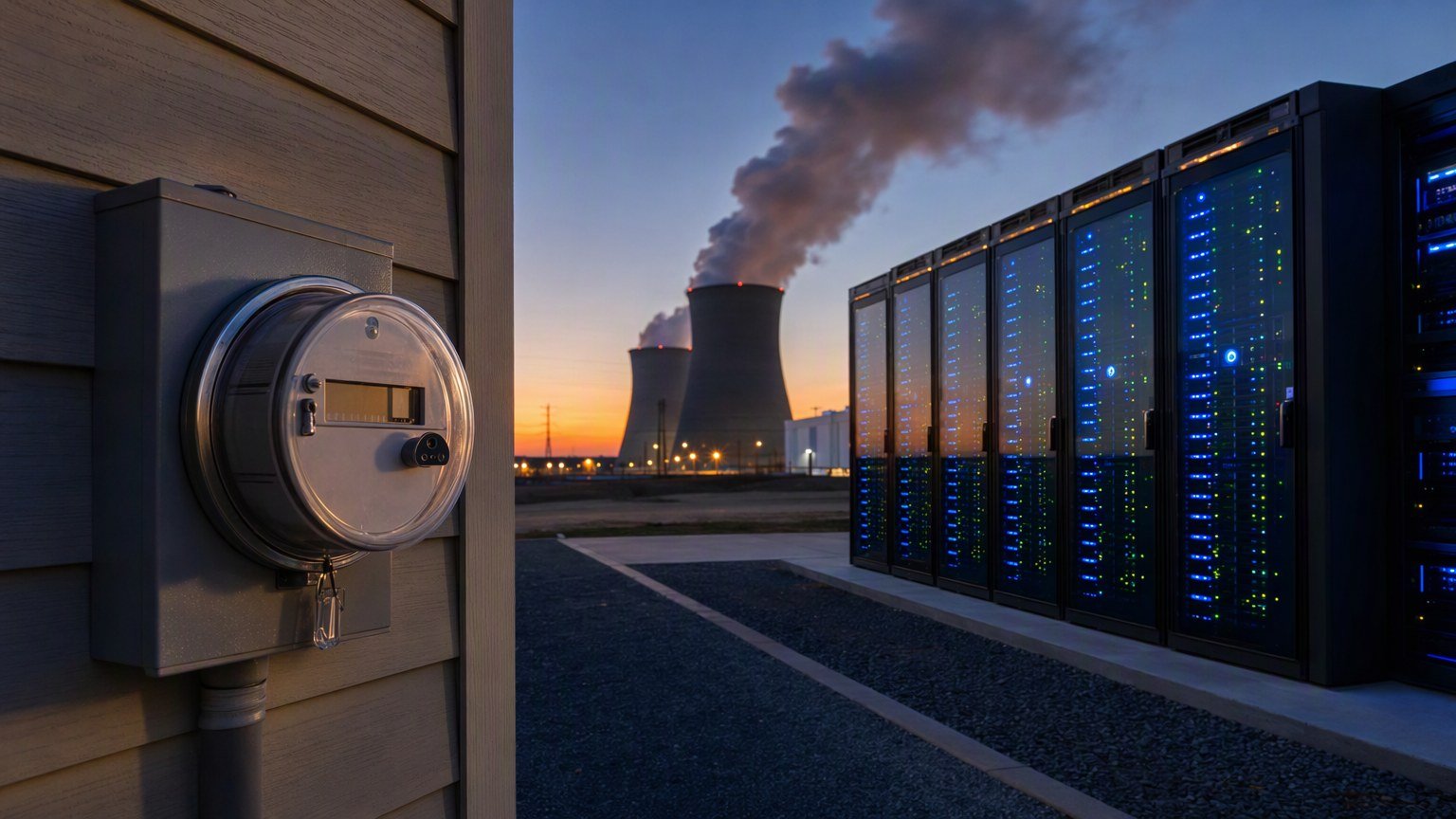
Three votes. That’s all it took to kill a bill that might’ve actually helped with your electric bill. Three. You’d think with how much everyone complains about rising costs, the Senate could’ve scraped together enough support to get this one over the line. They didn’t.
Three votes. That’s all it took to kill a bill that might’ve actually helped with your electric bill. Three. You’d think with how much everyone complains about rising costs, the Senate could’ve scraped together enough support to get this one over the line. They didn’t.
So What Just Happened Here
On September 30th, the Senate voted on the Ratepayer Protection Act, a bipartisan bill aimed at protecting regular households from the electricity price spikes tied to the massive data center boom sweeping the country. The final tally was 57-43. Sounds like a win, right? Majority rules and all that? Nope. Senate rules require 60 votes to break a filibuster, and this bill came up three votes short. Dead. Done. Finished.
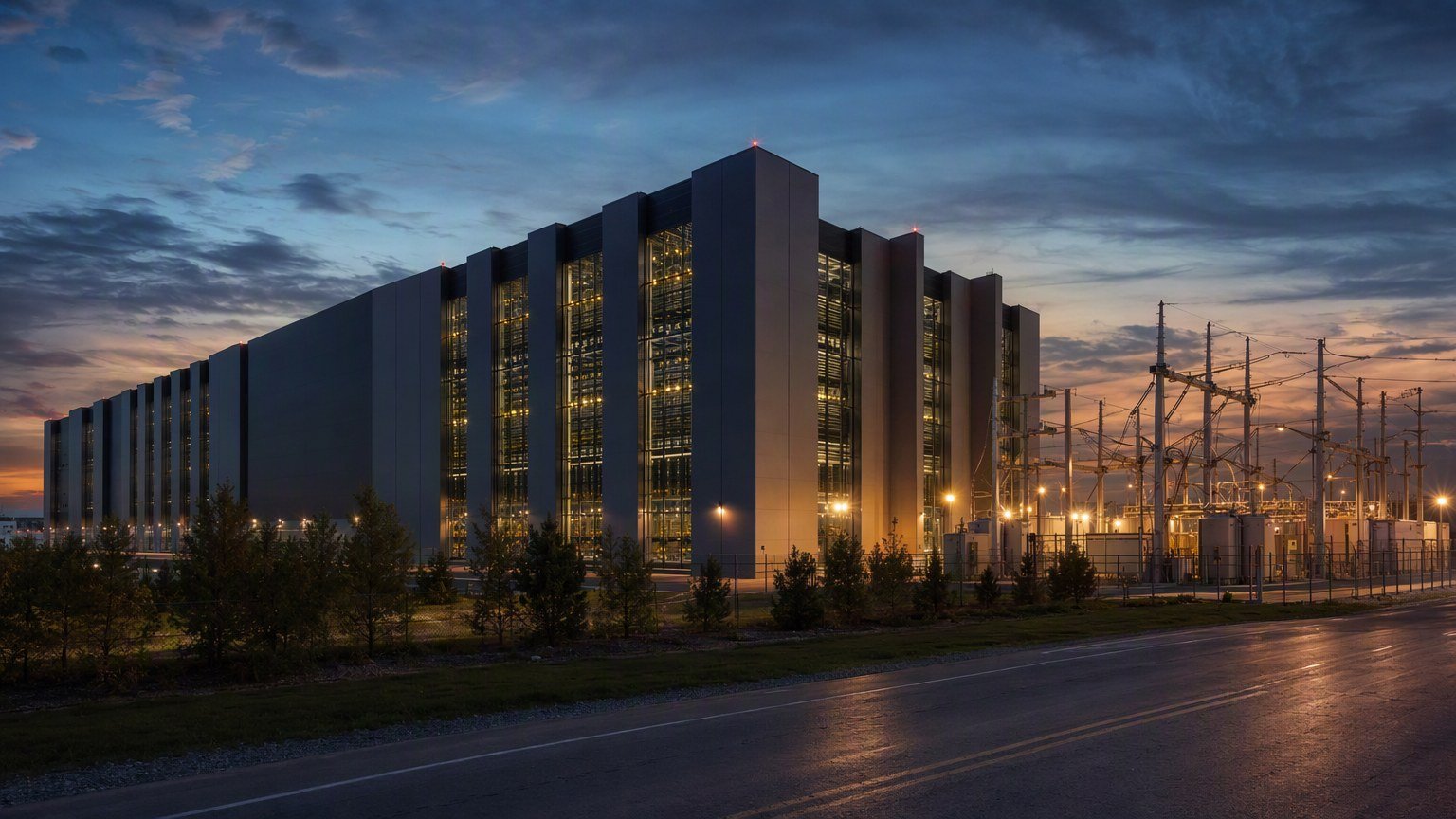
And here’s the part that stings a little – this thing had already cleared the House of Representatives just two weeks before. It was basically one Senate vote away from landing on President Trump’s desk. One vote away from actually becoming law. Instead it’s now a footnote, another bill that got close but not close enough.
Why This Even Needed to Exist
Look, I don’t think I need to tell you that AI is eating electricity like it’s going out of style. Data centers running these massive AI models need insane amounts of power, and that demand doesn’t just appear out of nowhere – it gets baked into the grid, into infrastructure costs, into rates. And guess who ends up footing part of that bill? Regular people. Folks who couldn’t care less about large language models but still have to pay more to keep their lights on because some tech company built a server farm down the road. Some of that strain is pushing utilities toward bigger renewable projects, like Germany's recently completed tallest wind turbine on Earth.
The Ratepayer Protection Act was supposed to be a check on that. A way to keep the costs of this AI arms race from quietly sliding onto household electricity bills. Not a perfect fix, not some sweeping overhaul of how utilities operate, but something.
Why Did It Fail Though?
This is where things get messy, and honestly, kind of frustrating. The bill didn’t fail because people think AI power demand isn’t a problem. It failed partly because critics on the other side argued it didn’t go far enough. Opponents called it toothless, saying it wouldn’t actually do enough to protect citizens from the rate hikes everyone’s worried about.
“Toothless” – that’s the word critics kept coming back to when describing what the bill would’ve actually done for ratepayers.
And I get it, I do. There’s something almost darkly funny about a consumer protection bill getting killed partly because it wasn’t protective enough. But here’s the thing – a toothless bill that passes can still get amended later, strengthened, built on. A bill that dies in the Senate does none of that. It’s just gone. So I’m not totally sold on the “better nothing than something weak” logic here, even though I understand where it’s coming from.
Who Actually Loses Here
Not the tech companies, that much is obvious. The hyperscalers building out these data centers keep building regardless of what Congress does. The ones left holding the bag are regular ratepayers – the people who don’t have lobbyists, don’t have a seat at the table, and definitely don’t have the leverage to negotiate their electricity rates.
I’ve written about energy policy fights before, and there’s always this pattern. Big infrastructure demand shows up, costs rise, and the people least equipped to absorb those costs end up absorbing them anyway. This situation isn’t new, it’s just got an AI-shaped twist on it now.
What’s interesting here is how fast this whole AI power demand issue has become a real policy fight. A couple years ago nobody in Congress was talking about data center electricity consumption as a kitchen-table issue. Now it’s close enough to law that it’s falling three votes short in the Senate. That trajectory alone tells you something about where this is headed. It's part of why even the Pentagon is now betting on beaming power from space as a long-shot answer to the same demand crunch.
What This Actually Means
Honestly? This isn’t the last we’ll hear about this. The underlying problem, AI data centers driving up electricity costs for everyday Americans, doesn’t go away just because this specific bill died. If anything, it gets worse before it gets better, because the data center buildout isn’t slowing down. Not even a little.
Somebody’s going to bring back a version of this bill, probably sooner than people expect, maybe with more teeth this time, maybe not. The political pressure around electricity prices doesn’t just evaporate because of a procedural vote. People still open their bills every month and still notice when the number creeps up. That reality doesn’t care about Senate math.
So yeah, the Ratepayer Protection Act is dead. But the problem it was trying to solve? That’s very much alive, and it’s not going anywhere.