
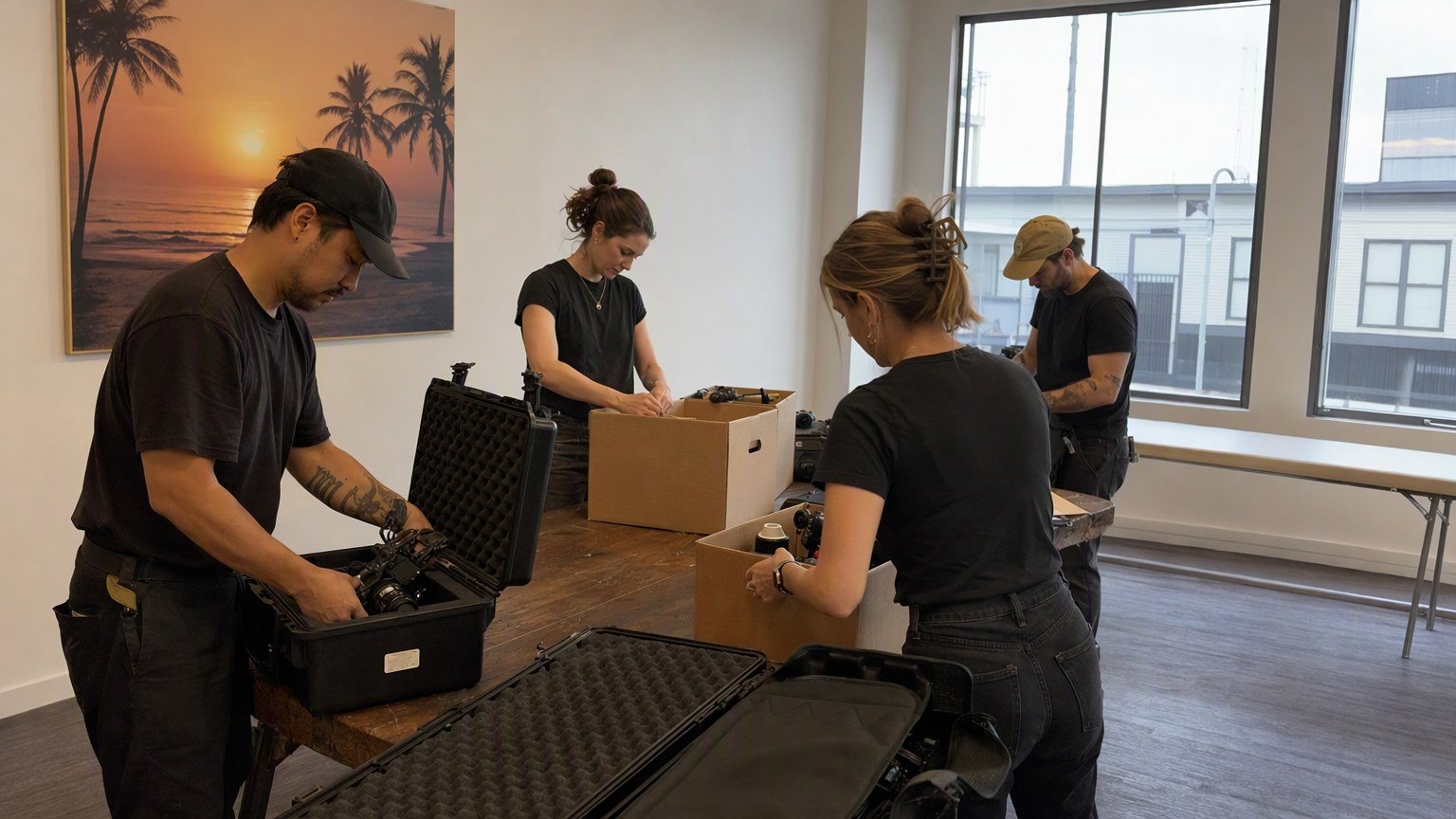
Here’s something you don’t see every day: a network show that’s cruising along just fine decides to pack up and move production from Canada to Los Angeles. After three seasons. That’s basically what CBS did with Tracker, and honestly? It’s kind of wild when you think about it.
Here’s something you don’t see every day: a network show that’s cruising along just fine decides to pack up and move production from Canada to Los Angeles. After three seasons. That’s basically what CBS did with Tracker, and honestly? It’s kind of wild when you think about it. It's a move that adds another wrinkle to CBS's Sunday night lineup, which already has its own scheduling quirks.
Why Mess With What’s Working?
Look, Tracker isn’t exactly struggling. The show’s been doing solid numbers, Justin Hartley’s proven he can carry a series post-This Is Us, and the whole “reward seeker traveling the country solving cases” thing has found its audience. So when executive producer Elwood Reid told press that season 4 is going to feel different because they’ve relocated to L.A., my first thought was – why fix what isn’t broken? It's the kind of actor-carries-the-show dynamic you also see with Max Thieriot leading Fire Country over on the same network.
But Reid’s actually pretty excited about it. “It is different,” he said, calling the shakeup “really refreshing.” And here’s the thing that caught my attention: he hasn’t shot a show in L.A. in 12 or 13 years. That’s… that’s a long time to be away from the Hollywood machine.
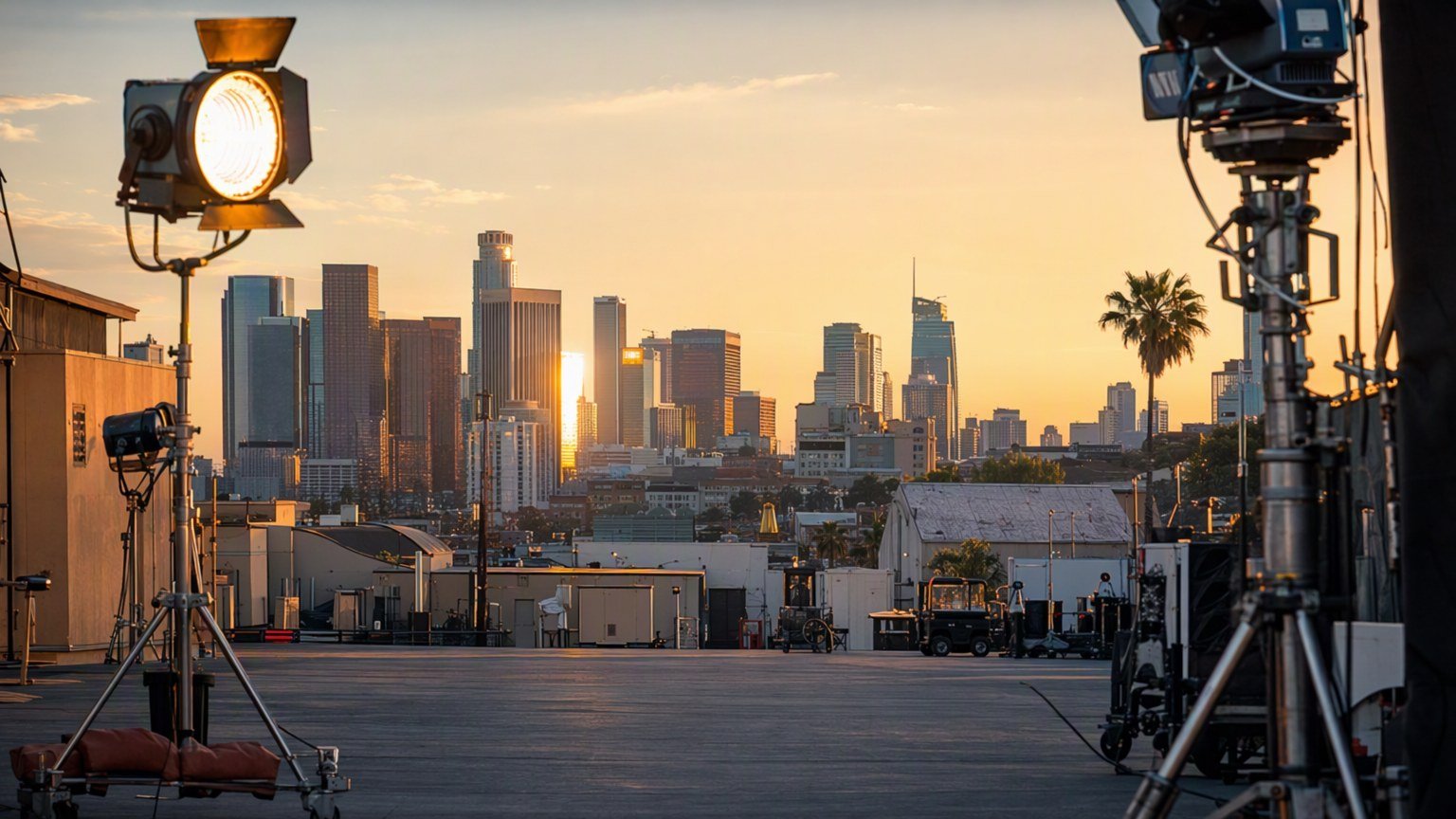
The L.A. Advantage (Apparently)
Reid’s making a pretty specific argument here, and it’s not about palm trees or good weather. It’s about the crew. “You forget how good the level of craftspeople are out here,” he explained. “And for them, when you’re going into season 4 of a show, it’s all new for them.”
I mean, he’s not wrong. L.A. has been the entertainment industry hub for a century for a reason – the depth of talent and experience in every department is pretty much unmatched. Your average grip or gaffer or set designer in L.A. has probably worked on more shows than most people have watched. But also – and I have to point this out – Canada’s been hosting major productions for decades now. It’s not like they were shooting in someone’s backyard up there.
Fresh Eyes, Fresh Energy
What’s interesting about Reid’s take is this idea that bringing in a completely new crew gives the show new life. Even though Tracker’s the one with three seasons under its belt, for all these L.A. department heads and technicians, it’s day one. They’re coming in with fresh ideas, no muscle memory, no “well this is how we’ve always done it.”
“Canada was amazing. We made an amazing show up there,” Reid said. But then he got to the real point: “You just get reinvigorated by moving a show. Then when you add in all these amazing department people that you can work with, the sky is the limit.”
But Let’s Be Real About the Risks
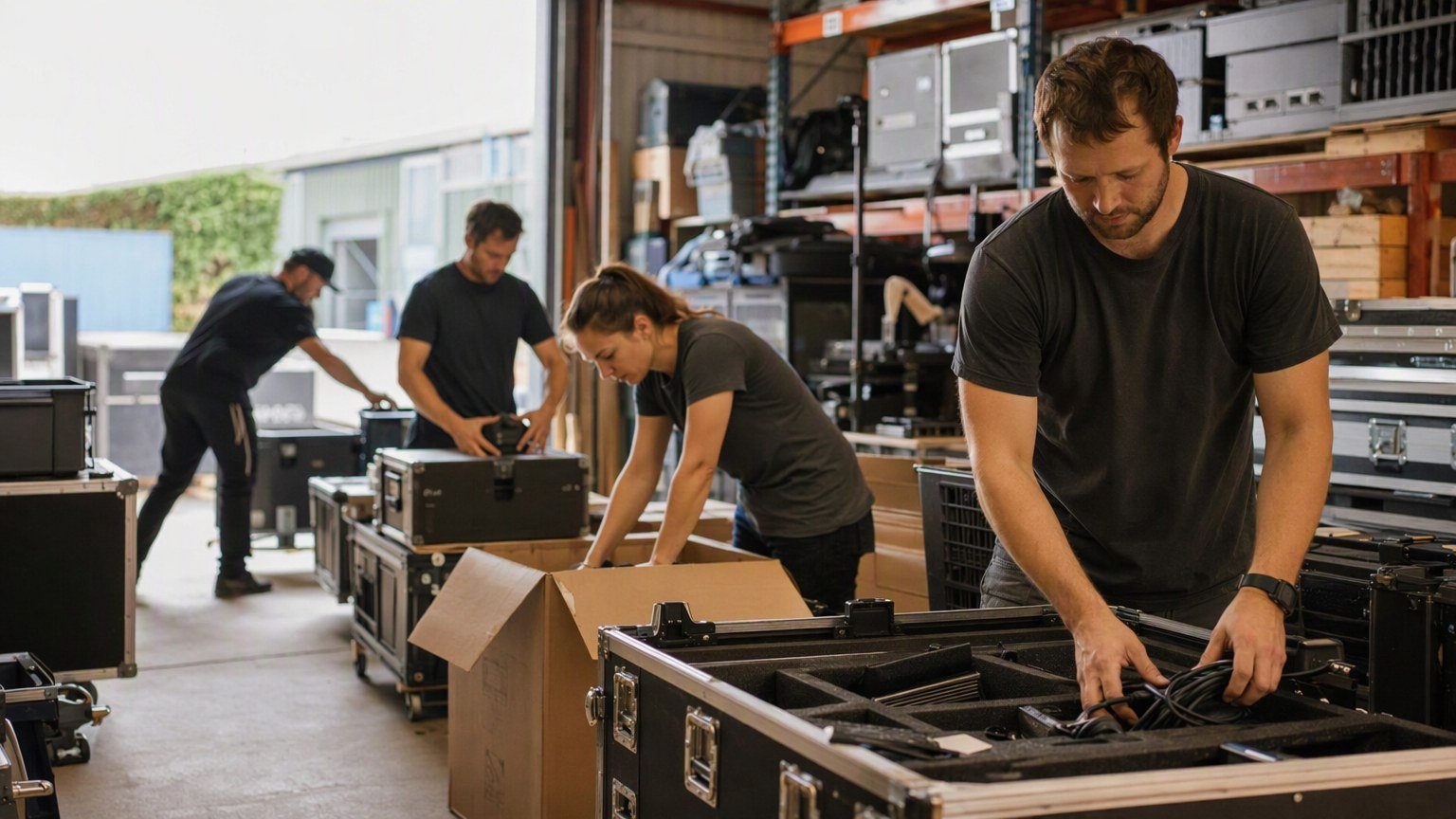
Okay, so here’s what Reid isn’t talking about – the massive logistical headache this represents. Moving an entire production is expensive. Like, really expensive. You’re rebuilding sets, finding new locations, establishing relationships with new vendors, getting permits in different jurisdictions. And yeah, you’re hiring a whole new crew who doesn’t know the show’s rhythms yet.
There’s going to be a learning curve. Has to be.
And from a writing and production standpoint? Sure, maybe the change of scenery sparks creativity. Or maybe it just creates chaos for the first half of the season while everyone figures out where the bathrooms are and which coffee place delivers fastest to set.
“I have not shot a show in L.A. in 12 or 13 years. What I think is really exciting about it – at least for my purposes – is you forget how good the level of craftspeople are out here.”
What Season 4 Will Actually Look Different
So what does this mean for viewers? Honestly, it’s hard to say yet. The show’s DNA – Hartley playing Colter Shaw, traveling around taking on reward cases – that’s not changing. But the visual feel might. L.A. crews shoot differently. They light differently. The production values in California tend to have a certain polish (for better or worse) that Vancouver productions sometimes deliberately avoid in favor of a grittier look. Viewers juggling CBS procedurals already had plenty to process after the Marshals season 2 premiere shook things up.
Will anyone watching at home really notice? Maybe not consciously. But there’s a reason shows have distinct visual identities, and a lot of that comes down to who’s behind the camera and building the sets.
The Real Test
Look, I’m genuinely curious to see if this pays off. Reid’s optimism is nice and all, but the proof is going to be in what actually shows up on screen. If season 4 feels refreshed and reinvigorated like he’s promising – if there’s new visual flair, if the storytelling feels sharper, if you can somehow sense that new creative energy through your TV – then CBS made a smart bet.
But if it just feels like expensive chaos that didn’t add much? Well, that’s going to be a harder sell. Especially when the show was doing just fine where it was.
Either way, this is one of those behind-the-scenes gambles that most viewers never even know is happening. But it’s happening. And in a few months, we’ll all find out if “different” was what Tracker actually needed.