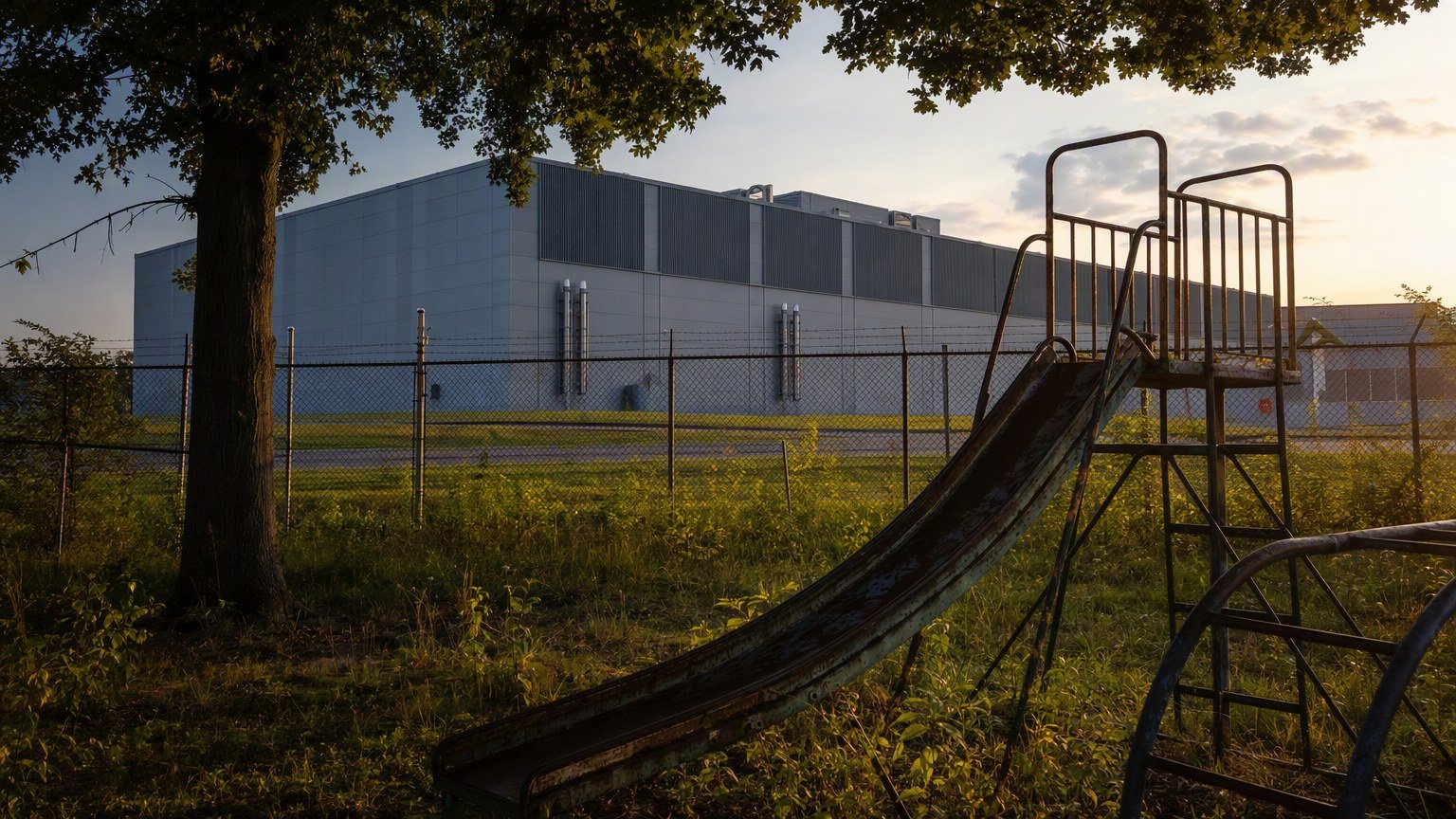
Here’s a story that should make every Texas landowner nervous: a 14-word promise, written into a deed in 1999, apparently just… vanished. Not stolen, not forged, just dropped somewhere along the chain of paperwork over 25 years. And now a 58-year-old retired learning center director in Taylor…
Here’s a story that should make every Texas landowner nervous: a 14-word promise, written into a deed in 1999, apparently just… vanished. Not stolen, not forged, just dropped somewhere along the chain of paperwork over 25 years. And now a 58-year-old retired learning center director in Taylor, Texas is fighting a legal battle to stop a data center from going up on the exact plot of land her father once told her to guard with her life.
A Park That Was Never Supposed to Be a Punchline
Pamela Griffin isn’t some rabble-rouser looking for a cause in retirement. From what I can tell, she had the opposite plan. Slow down, enjoy the quiet, maybe garden a little. Instead, she’s spent the last several months going to community meetings, speaking at public events, and basically becoming a part-time land-use attorney because a stranger’s promise from a 1999 deed didn’t survive the trip to 2025.
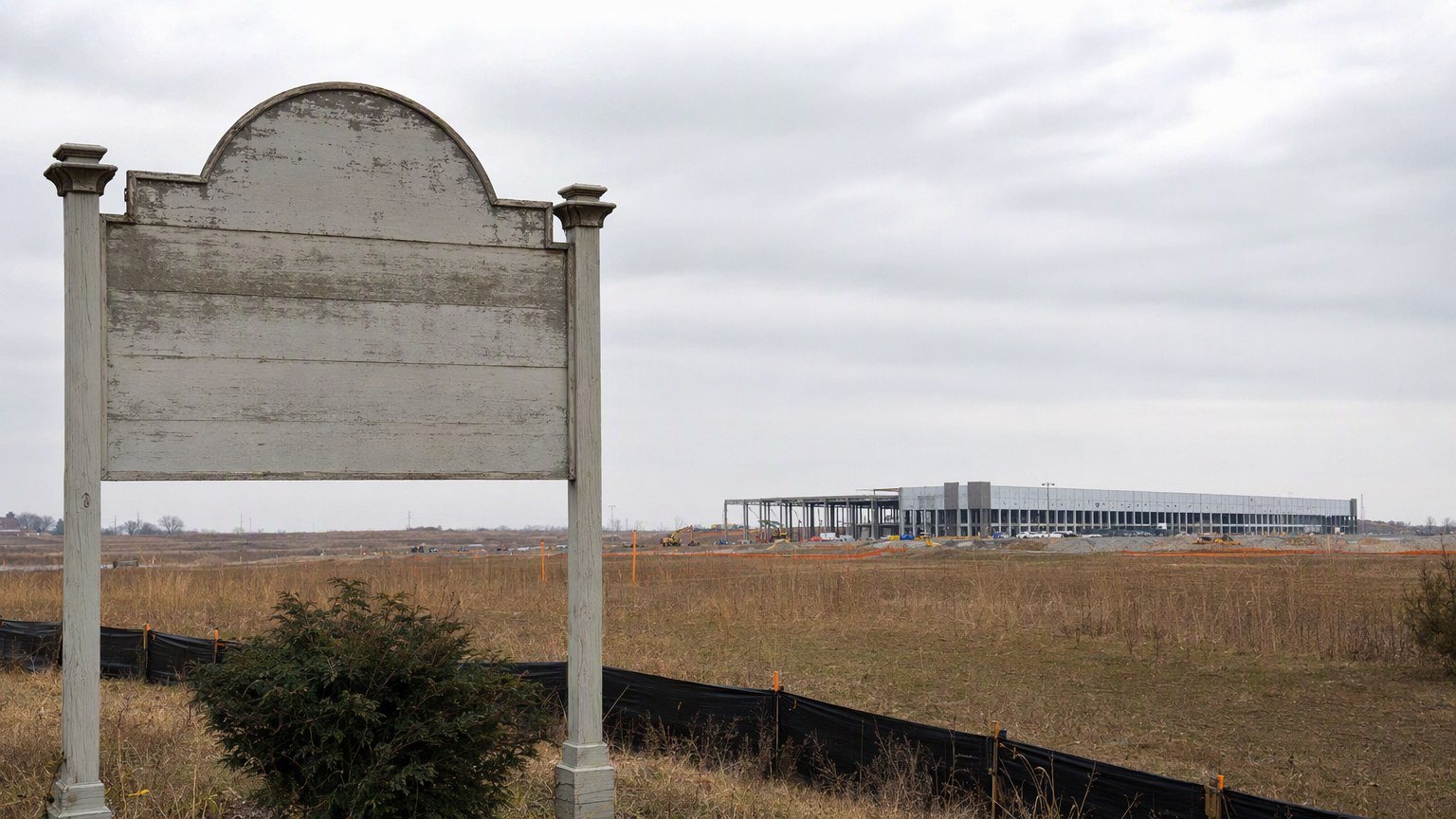
The short version: the land near her home, about 25 miles outside Austin, was supposed to become a neighborhood park. There was language in the deed meant to lock that in. Somewhere along the way, as the property changed hands, that language didn’t carry forward. And now the land is on track to become a data center instead. Not a park. Not green space. A data center – the kind of massive, humming, water-guzzling facility that’s popping up all over this country right now because every tech company on earth wants somewhere to park their AI ambitions.
The Deed Said What It Said
Here’s the thing about a 14-word sentence – it doesn’t seem like it should carry that much weight. But in property law, those few words can be the entire ballgame. Griffin’s case, now in front of a Texas appeals court, hinges on competing interpretations of exactly what that sentence meant and whether it legally bound future owners to keep the land as parkland. Lawyers love to argue about intent versus letter-of-the-law, and this is about to be a textbook example of that fight playing out in real time.
Why Taylor, Texas, of All Places?
If you haven’t been paying attention, Taylor is a town of roughly 18,000 people that’s become ground zero for Central Texas’s data center boom. Samsung’s been building a massive chip plant nearby for a few years now, and that’s pulled all kinds of infrastructure and development attention to the area. Data centers tend to follow that kind of momentum – cheap land, available power (allegedly), and a local government eager for the tax revenue. It’s a pattern I’ve seen play out in a dozen towns now, from Virginia to Georgia to rural Texas. Promise jobs, promise tax dollars, and hope nobody asks too many questions about the water bill. It's part of a broader pattern of tech giants softening the optics of these builds, as detailed in Microsoft's Data Centers Wear a Green Disguise.
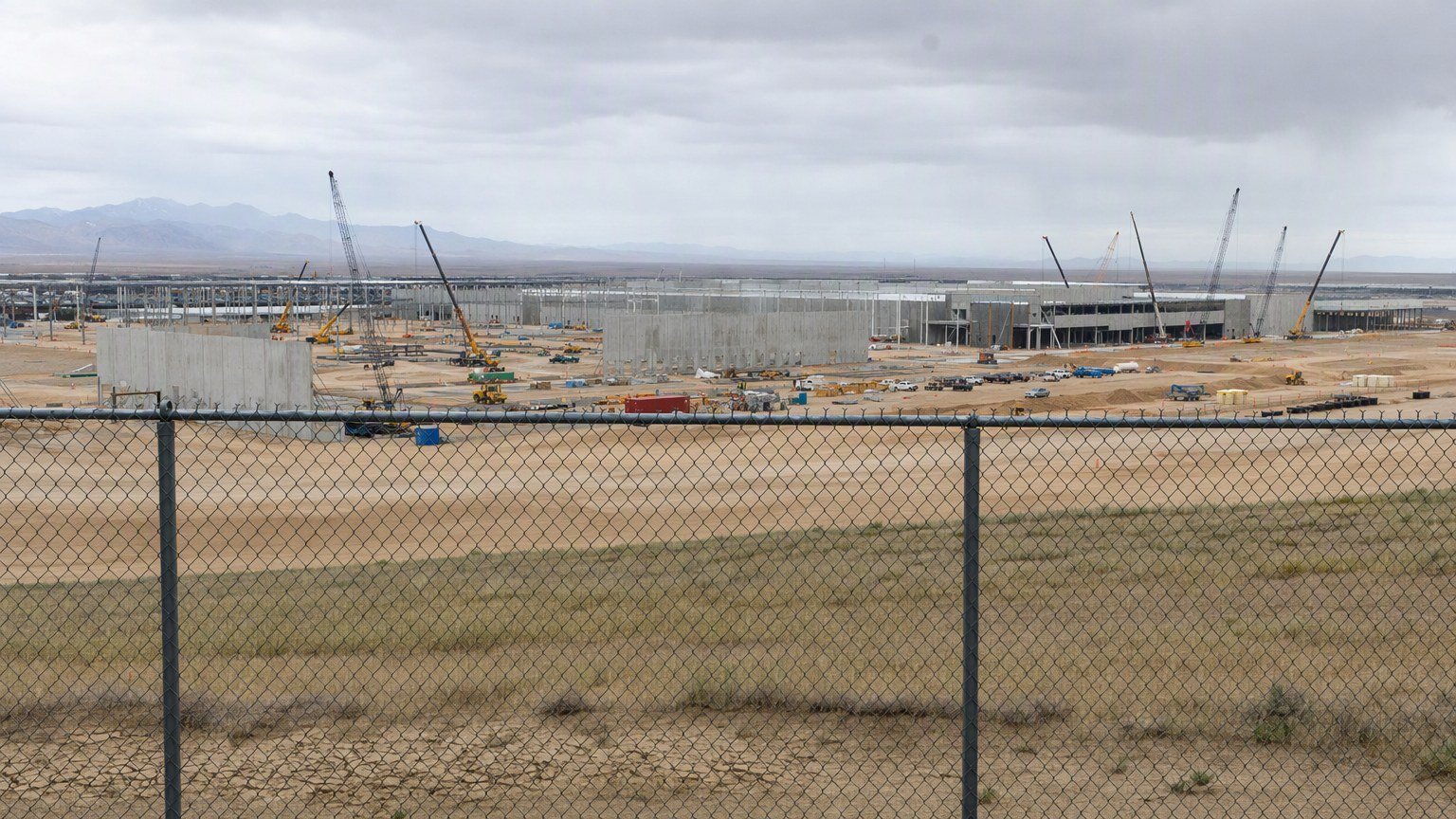
And that’s exactly what residents in Taylor are asking about. Noise. Water use. Power shortages. These aren’t abstract concerns dreamed up by NIMBYs with nothing better to do – they’re the same three issues that show up every single time a community gets its first data center. Data centers need enormous amounts of water for cooling, and they pull power like nothing else on a residential grid. When a town like Taylor, already stretched thin from the Samsung buildout, gets another massive industrial consumer added to the mix, people start doing math. And the math isn’t comforting. Those same friction points are showing up nationwide as described in The AI Power Bloc Fighting State Resistance.
“My daddy passed this land down to us and he told us to guard this land. He said this will always be a homestead.”
This Is Bigger Than One Deed
Look, I get why this story could just read as a quirky local land dispute. One woman, one deed, one appeals court. But that’s not really what’s happening here. This is about who gets a say when massive infrastructure projects show up in communities that never asked for them – and who historically has had the power to protect their land versus who hasn’t. That question of transparency is exactly what's driving stories like Why Amazon Just Killed Its Data Center NDAs.
Griffin herself ties this fight to something bigger: the history of land ownership in Texas, particularly for Black families, and who has and hasn’t actually benefited from owning property in this state. That context matters. A promise written into a deed by a stranger, meant to protect a neighborhood park for generations of kids, getting quietly dropped during a corporate land transfer – that’s not just bad luck. That’s a pattern we’ve seen before, where the fine print somehow always seems to disappear right when it’s inconvenient for whoever’s buying.
Not gonna lie, there’s something almost poetic (in a bleak way) about a literal park for children getting swapped out for a data center that’ll mostly serve some AI model nobody in Taylor will ever use directly. The kids who were supposed to play on that land get noise and water stress instead. That’s not a great trade.
What This Actually Means
Here’s my honest take: Griffin’s legal odds are genuinely uncertain. Courts don’t always rule based on what feels fair, they rule on what the paperwork actually says, and if that 14-word clause really didn’t carry forward through every transfer, she’s got an uphill fight regardless of how sympathetic her story is. But even if she loses in court, she’s already done something that matters – she’s made this data center boom visible in a way a lot of these projects never are. Most of these facilities get built quietly, approved by local zoning boards nobody attends, long before residents even know what’s coming.
Taylor won’t be the last town to have this fight. As more companies race to build out AI infrastructure, more communities are going to wake up one day and find out the empty lot down the street isn’t becoming a park, a school, or anything resembling a public good. It’s becoming a server farm. And the question Griffin’s case is really asking – whether old promises about land actually mean anything once money and momentum show up – is one a lot more towns are about to have to answer too.