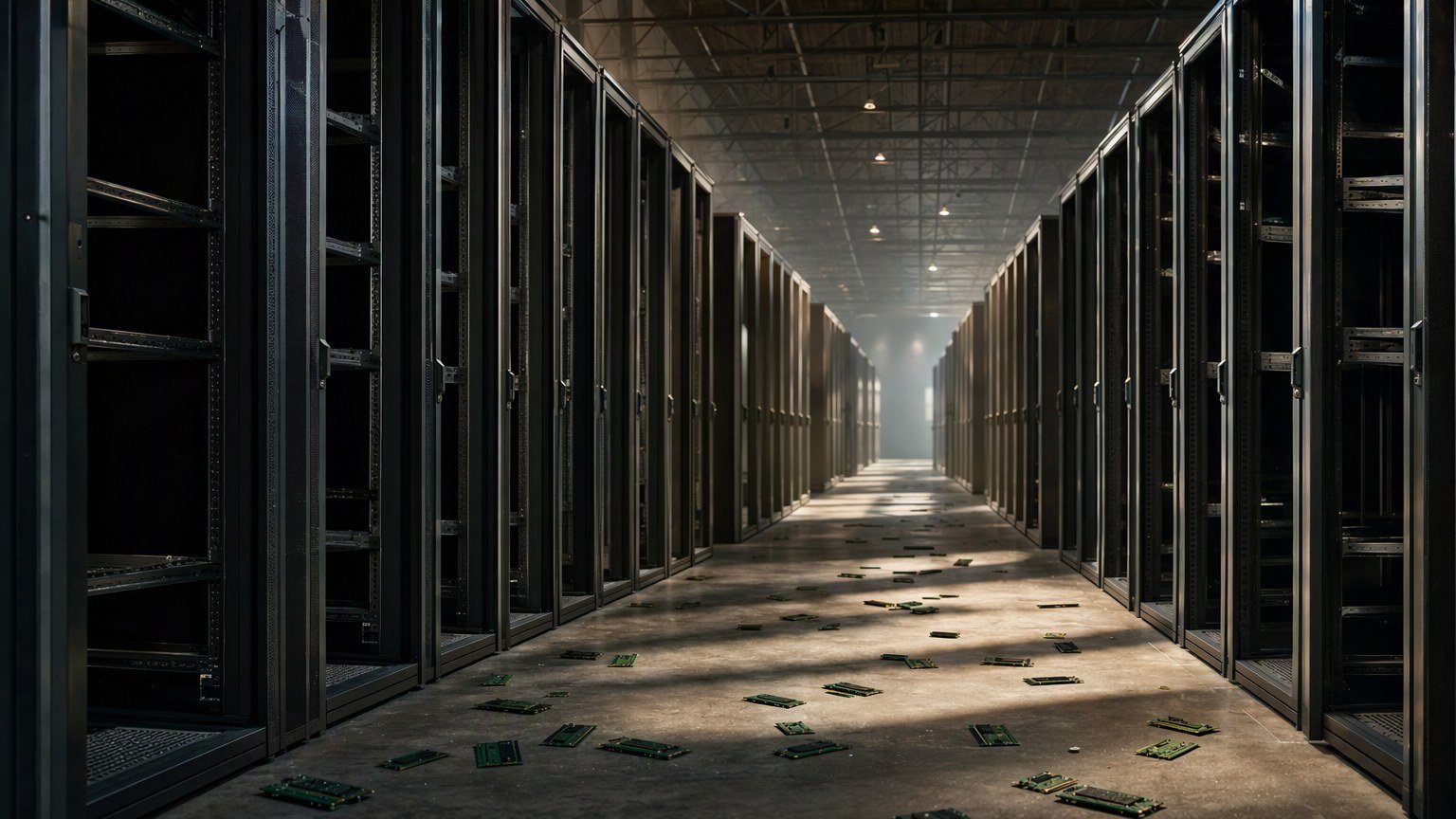
Micron just told Wall Street something that should make anyone who buys a laptop, phone, or game console in the next couple years a little nervous: we’re heading into a memory shortage, and it’s going to stick around through 2027 and into 2028. Not a blip. Not a quarter of weirdness. A…
Micron just told Wall Street something that should make anyone who buys a laptop, phone, or game console in the next couple years a little nervous: we’re heading into a memory shortage, and it’s going to stick around through 2027 and into 2028. Not a blip. Not a quarter of weirdness. A multi-year squeeze.
So What’s Actually Happening Here
Here’s the thing – memory chips (the DRAM and NAND flash that goes into basically every device with a brain) have always been a boom-bust business. I’ve covered this industry long enough to watch the cycle repeat itself like clockwork – 2017, 2021, now this. But what Micron is flagging feels different, and honestly, I believe them on this one. The culprit isn’t some random oversupply hiccup. It’s AI. Again. Everything’s AI’s fault these days, isn’t it?
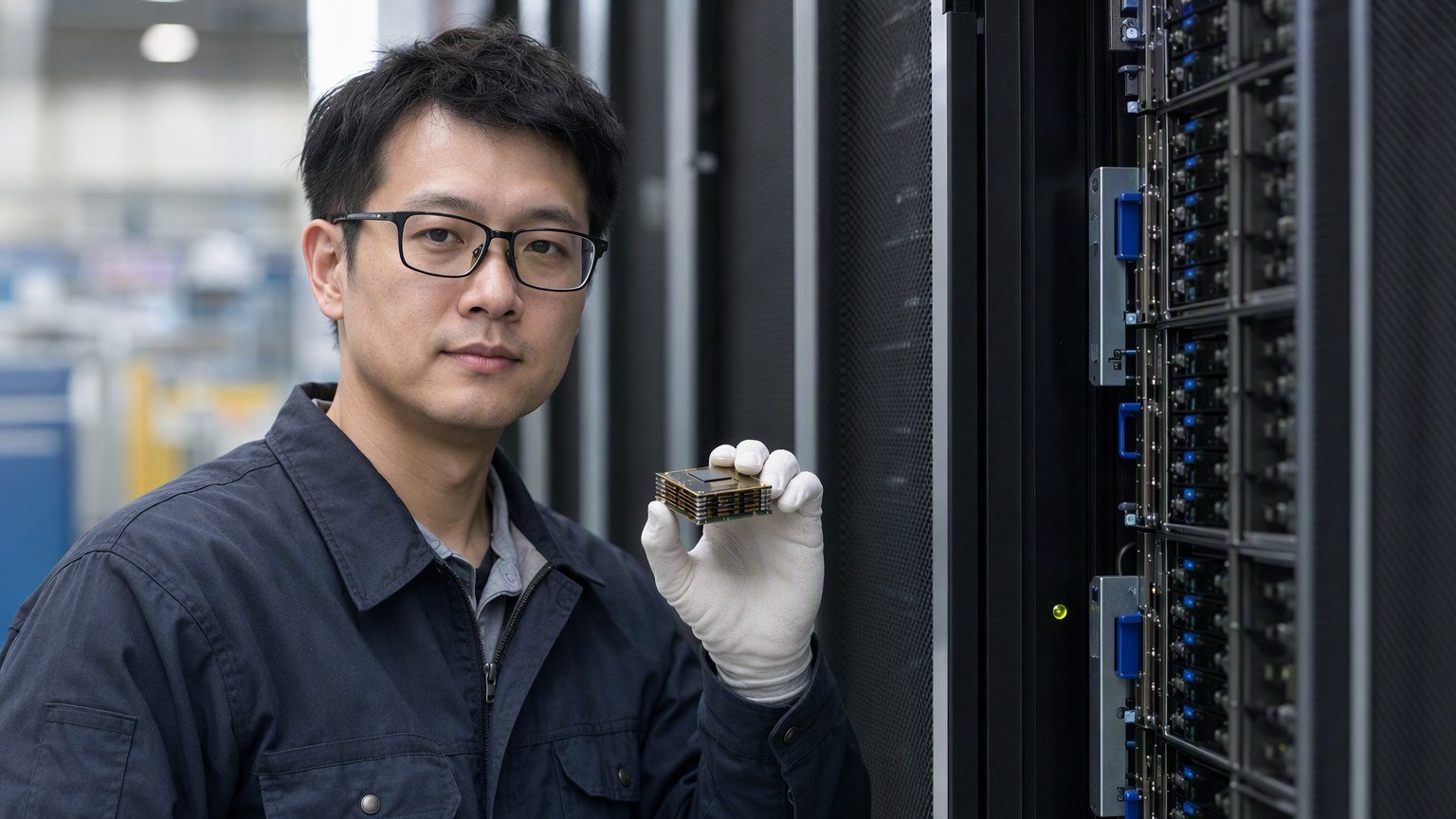
The short version: high-bandwidth memory, the specialized stuff that goes into AI accelerators like Nvidia’s GPUs, is eating up fab capacity that used to make regular old DRAM for your phone and laptop. HBM is wildly more profitable per wafer than standard memory, so manufacturers are shifting production lines toward it. Makes sense from a business standpoint. Terrible news if you’re trying to buy a 16GB stick of RAM in 2026 without taking out a small loan. That same AI-driven squeeze is why Nvidia's recent price hike landed on hardware that's been on shelves for seven years.
The Capacity Problem Nobody Can Fix Fast
And this is where it gets annoying for everyone involved – fabs aren’t like restaurants. You can’t just decide to open more capacity next month. Building a new memory fab takes two to three years minimum, sometimes longer once you factor in equipment lead times and the fact that the machines that make these chips (looking at you, EUV lithography systems) are backordered for ages. So even if Micron, SK Hynix, and Samsung all decided today to go all-in on expanding DRAM production, the new supply wouldn’t hit shelves until, conveniently, right around 2027-2028. Which is exactly the window Micron is warning about. Coincidence? Not really – it’s just physics and construction timelines colliding with demand nobody fully predicted.
Haven’t We Been Here Before, Though?
I keep thinking back to 2017 and 2018, when DRAM prices spiked something like 40-50% in a single year and everyone acted shocked, shocked, like this hadn’t happened before. Memory makers under-invested, demand spiked, prices went nuts, then everyone over-corrected and we got a glut by 2019 that tanked prices again. It’s basically the same pattern on repeat, just with a new villain each time – smartphones, then crypto mining, now AI data centers.
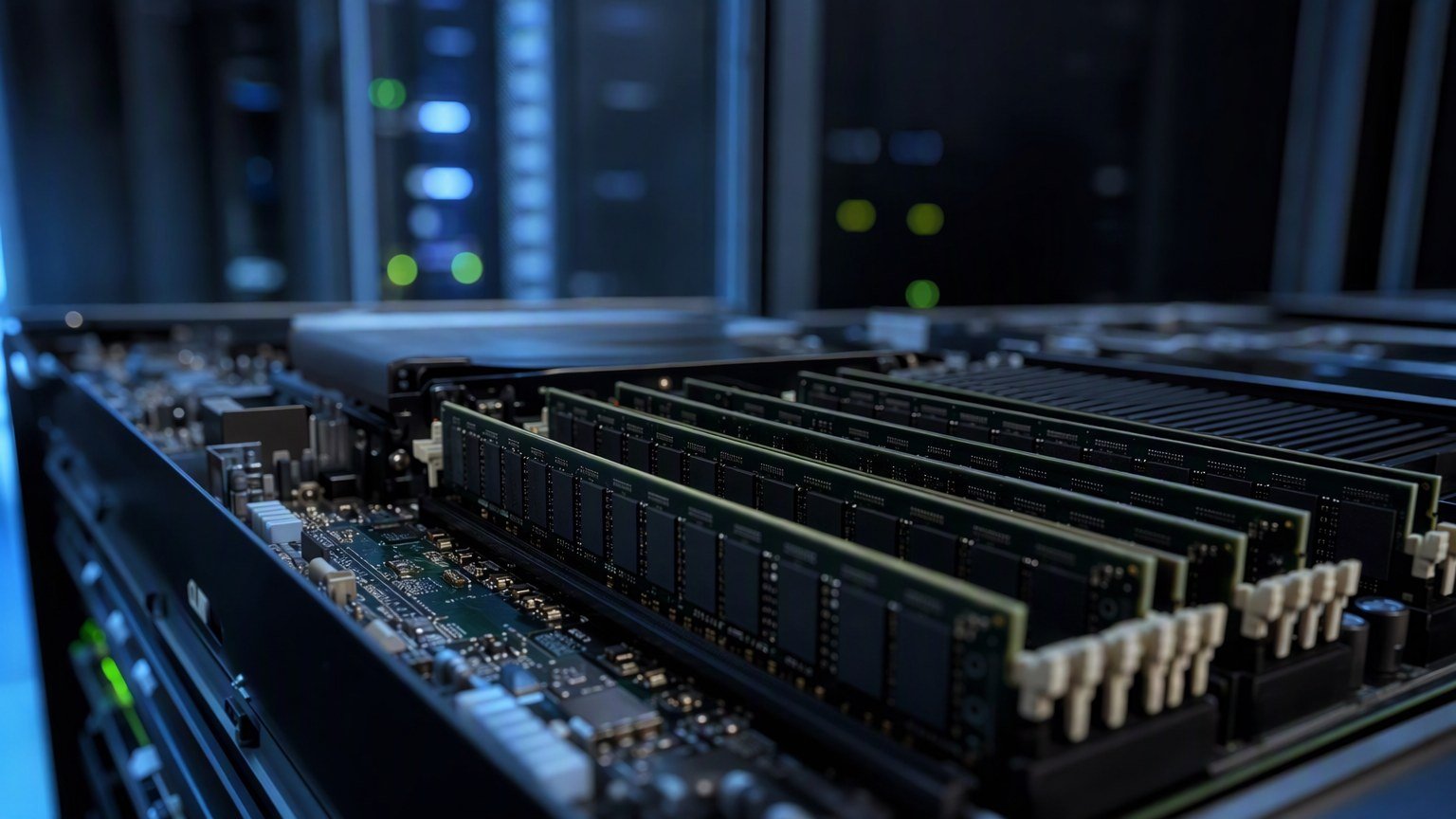
The difference this time, from what I can tell, is scale. AI data center buildouts aren’t a fad that fizzles in 18 months. Hyperscalers are pouring hundreds of billions into infrastructure, and that HBM demand isn’t going anywhere soft anytime soon. So this cycle might not resolve itself the way the old ones did, with a quick glut correcting the market. We might just be stuck with tight supply for years, not quarters. Microsoft's data center buildout has gotten so aggressive that the company has reportedly leaned on a greener narrative to soften the optics.
“When the most profitable thing a fab can produce isn’t the thing consumers actually need, you end up with exactly this – a shortage that looks like scarcity but is really just misallocation.”
Who Actually Gets Hurt Here
Let’s talk about who feels this. Not Micron, not really – they make more money per chip when memory’s expensive and HBM is flying off shelves at premium prices. The pain lands on PC makers, phone manufacturers, and ultimately, you. Laptop prices creep up. Phone storage tiers get stingier for the same price. Game consoles that already run thin margins get squeezed harder. And if you’re someone who builds your own PCs (I still do, don’t judge me), get ready to pay through the nose for RAM kits that used to be an afterthought line item.
There’s also a quieter victim here – smaller cloud providers and startups trying to build AI products without hyperscaler-level buying power. When Microsoft and Google can basically pre-order years of chip supply, the leftover scraps for everyone else get thinner and pricier. That’s not great for competition in the AI space, though that’s a whole separate rant I could go on. A redaction slip recently revealed just how much power and water Google's data center actually burns through to keep pace with that same demand.
Is This Just Micron Talking Up Its Own Stock?
I’d be doing you a disservice if I didn’t raise this – companies love warning about shortages right before they report earnings, because scarcity talk tends to be bullish for their stock price. Micron benefits from everyone believing memory’s about to get scarce and expensive. So, is this a legit supply warning or a convenient narrative? Probably a little of both, if I’m being honest. The underlying math on fab capacity and HBM demand is real and verifiable. But the timing of how loudly companies choose to announce it? That’s never purely altruistic.
What This Actually Means
If you need a new laptop, phone, or a RAM upgrade, I’d stop putting it off. Not because the sky’s falling tomorrow, but because the trend line only points one direction from here through 2027, maybe longer. The memory industry has survived every cycle like this before and it’ll survive this one too – prices will eventually come back down once new fab capacity actually comes online. The question nobody can really answer yet is whether AI demand keeps growing fast enough to outrun that new supply before it even arrives. If it does, this isn’t a cycle anymore. It’s just the new normal. And that’s a much bigger problem than a pricier RAM stick.