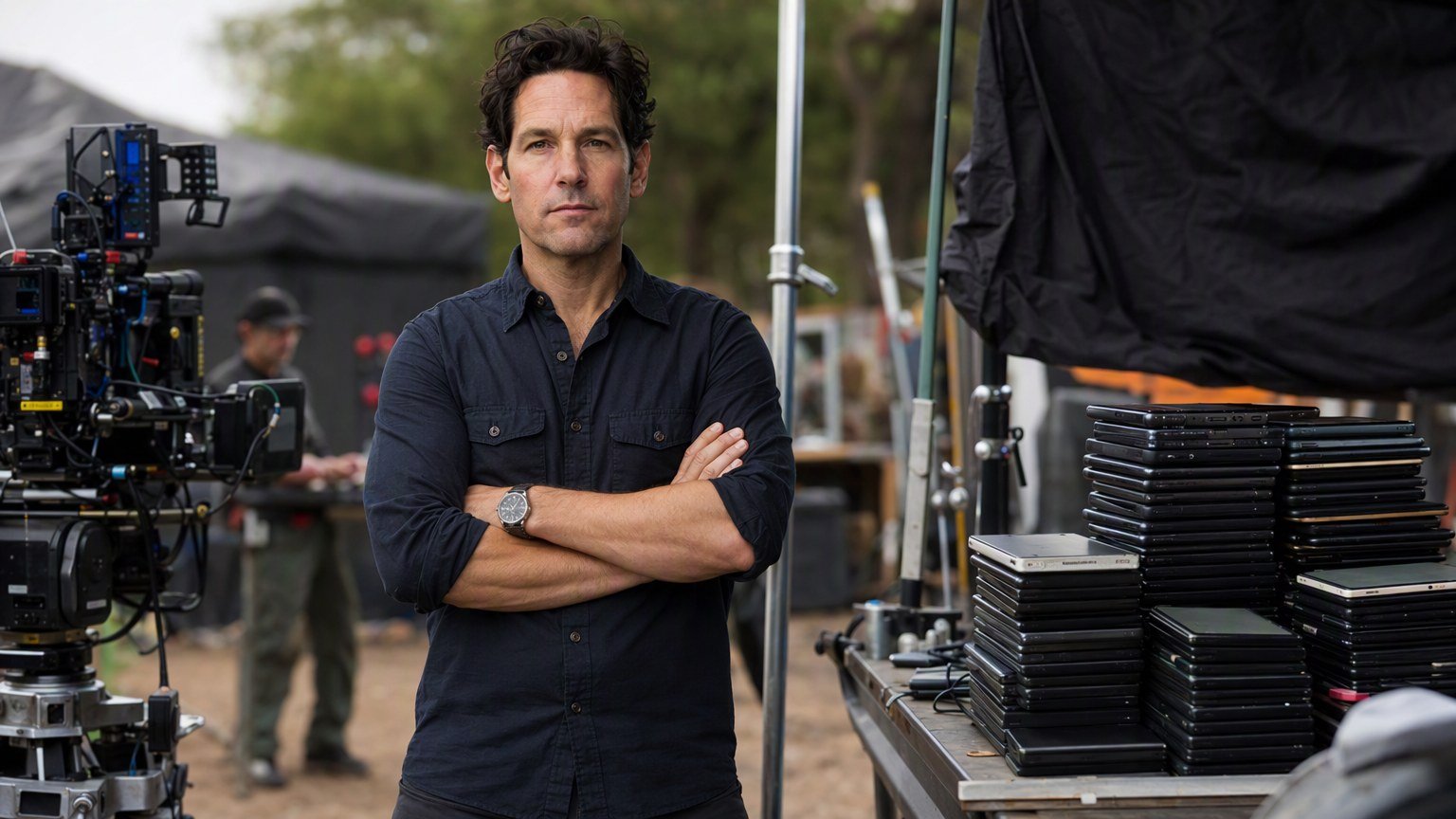
Paul Rudd banned phones on his movie set. Not just a polite “hey, maybe put those away” suggestion – an actual, full-on ban. And honestly? It’s about time someone did it.
Paul Rudd banned phones on his movie set. Not just a polite “hey, maybe put those away” suggestion – an actual, full-on ban. And honestly? It’s about time someone did it.
The Movie That Made Everyone Unplug
Rudd’s new film “A Statement” takes place almost entirely in one room. It’s 1980, there’s a climate crisis conference at a Florida beach resort, and 20 experts are locked in trying to solve America’s environmental problems. Director Tom McCarthy (yeah, the guy who won an Oscar for “Spotlight”) basically made “12 Angry Men” but with scientists instead of jurors and global warming instead of murder.
Here’s the thing though – when you’re shooting a movie that’s all dialogue and tension in a single space, you need actors who are actually present. Like, mentally there. Not checking their Instagram between takes or firing off emails during lighting setups. It's the kind of total presence actors like Jeremy Strong have defended through method acting.
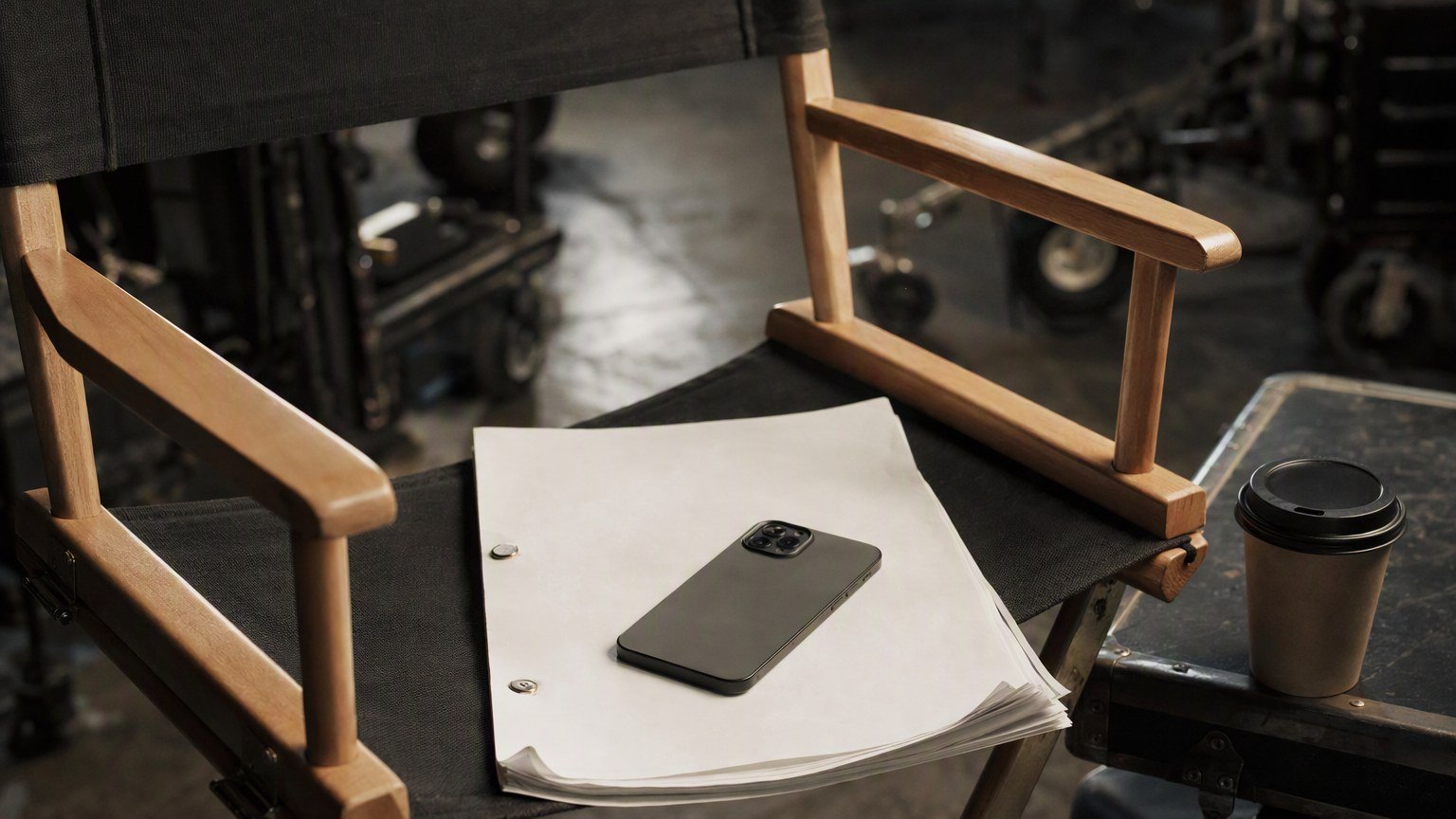
So Rudd, who plays the moderator of this whole climate summit, apparently put his foot down. No phones. At all. And look, I’ve been on sets before (not as fancy as this one, but still), and the phone thing is real. Everyone’s glued to their screens the second someone yells cut. It kills the energy, breaks the focus, and honestly it’s kind of disrespectful when you’re supposed to be creating something together.
But Wait, Aren’t Actors Always on Their Phones?
They are. Everybody is. That’s the problem.
Rudd’s reasoning, from what I can tell, wasn’t some high-minded artistic manifesto. It was simpler than that. We’re addicted. Those are his words, not mine (well, they’re in the title, so technically they’re his words that became my words). And he’s right. It's not the first time Paul Rudd is talking about phones again, having made similar comments elsewhere.
“We’re addicted”
The irony here is pretty thick, by the way. They’re making a movie about a 1980 conference – a time when people actually had to sit in rooms and talk to each other without tweeting through it – and the only way to recreate that energy in 2025 is to forcibly remove the technology that didn’t exist yet. We can’t even pretend to be people from 45 years ago without implementing actual rules.
What This Says About Modern Filmmaking
I mean, it says a lot. Most of it kind of depressing. But there’s something almost defiant about this choice, you know? Like Rudd looked around at how we make movies now – everyone in their own bubble, isolated even when they’re standing three feet apart – and said nope, not doing that.

The film itself sounds pretty timely too. Twenty people trying to solve a massive crisis that requires cooperation and actual conversation. Can’t help but notice that sounds familiar. And you can’t really sell that story if your cast is scrolling TikTok between takes. The form has to match the content, or at least it should.
Is This Radical or Just… Normal?
That’s what gets me. The fact that this is even a story. “Actor Asks Other Actors To Pay Attention” shouldn’t be news. But here we are, calling it radical. Which I guess it is now, in 2025, when being present feels like an act of rebellion.
Not gonna lie, I kind of love that Rudd did this. He’s not exactly known as a difficult actor or some demanding auteur type. He’s the guy who’s been the same age for 30 years and makes everyone laugh. So when someone like that implements a phone ban, you know it’s not about ego or control. It’s because something’s actually broken.
And what’s broken is pretty obvious. We can’t focus anymore. We can’t sit still. We definitely can’t spend hours in a room with other people without a digital escape hatch. The phones aren’t making us more connected – they’re making us worse at being in the same physical space together.
What This Actually Means
Maybe nothing. Maybe this is just one set, one movie, one actor’s preference that won’t spread beyond this particular Florida beach resort (or wherever they actually filmed it). But I’d like to think it’s a small crack in how we’ve been doing things. A recognition that something’s off.
Because if Paul Rudd – Paul Rudd! – thinks we’re so addicted that we need enforced phone bans to make a movie about people talking in a room, what does that say about everything else? About meetings, dinners, conversations, relationships. All the places we’re technically together but completely absent.
The movie comes out eventually (no release date yet from what I can tell), and it’ll probably be good or fine or forgettable like most movies. But this phone ban thing? That might be the most interesting thing about it. Not because it’s revolutionary, but because it shouldn’t have to be.