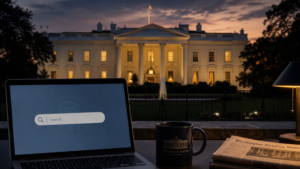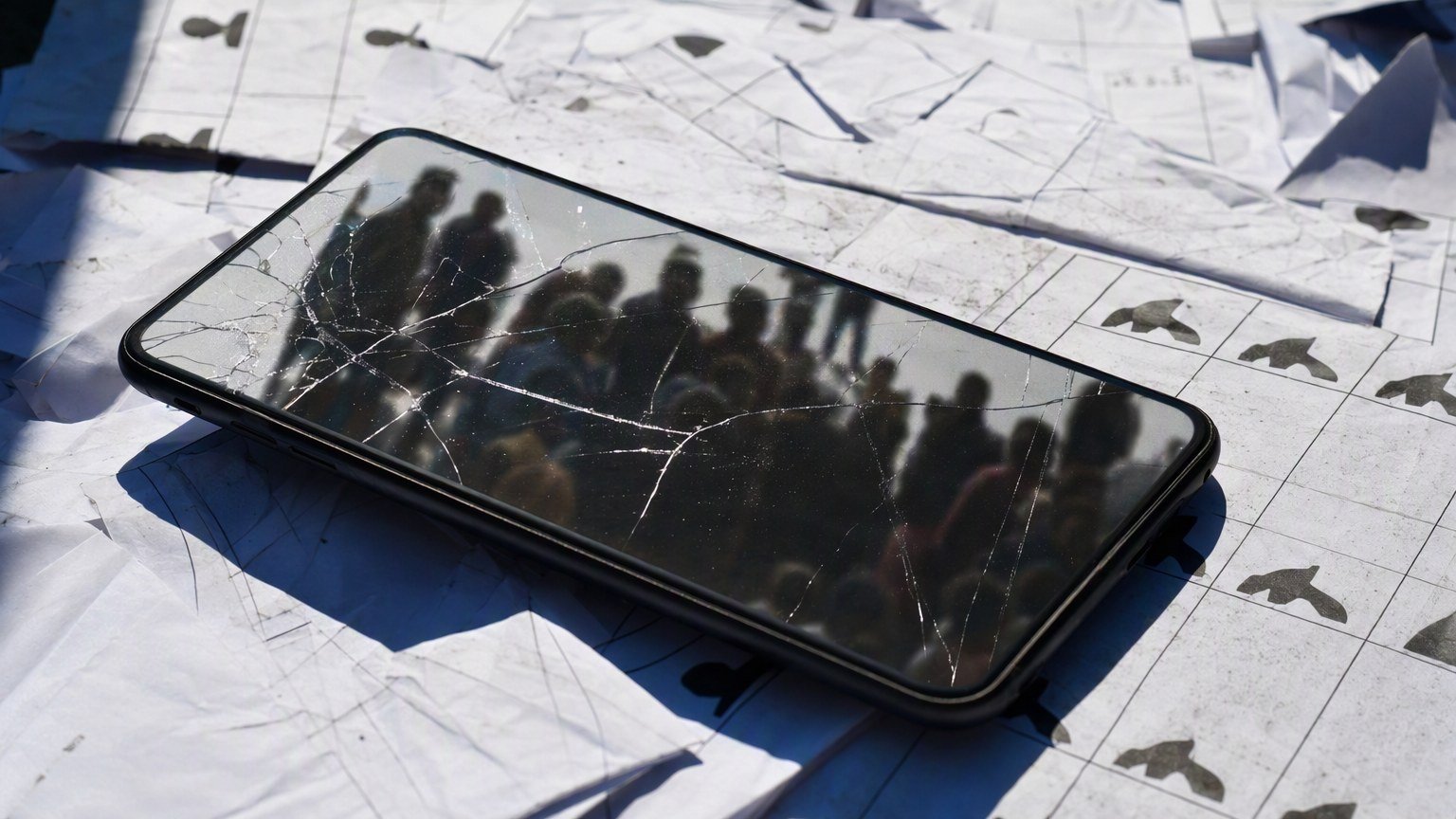
Forty-two thousand, one hundred fifty-one people. Thirty-six countries. One depressingly consistent answer: social media is wrecking democracy, and most of the planet has figured that out at roughly the same time. A new global survey reveals this reality, and honestly? It reads less like data…
Forty-two thousand, one hundred fifty-one people. Thirty-six countries. One depressingly consistent answer: social media is wrecking democracy, and most of the planet has figured that out at roughly the same time. A new global survey reveals this reality, and honestly? It reads less like data and more like a group therapy session where everyone finally admits the thing they’d been dancing around for a decade.
Everybody’s Mad Now, Not Just Us
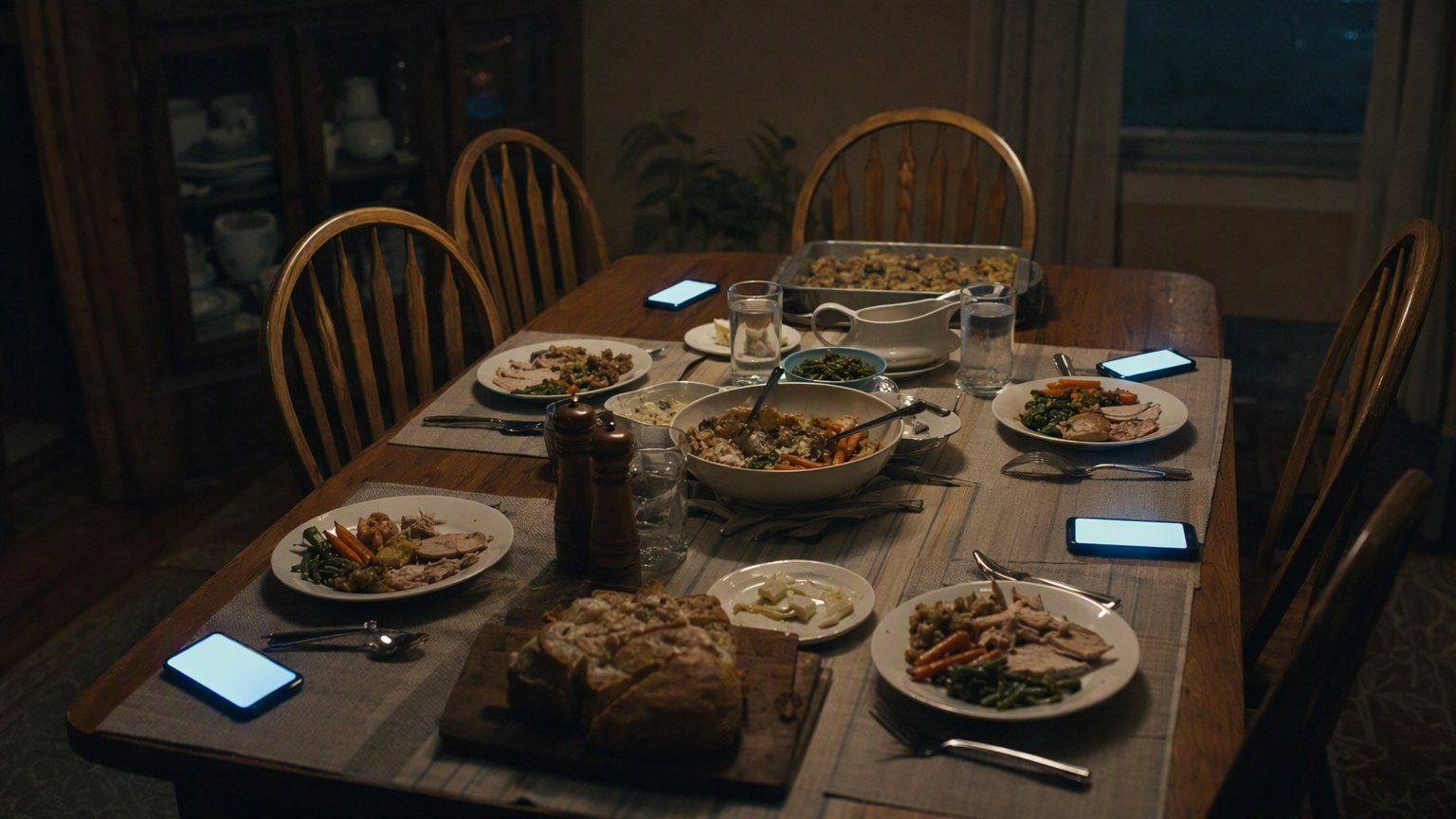
For years there was this narrative, mostly pushed by Americans, not gonna lie, that we were the uniquely broken ones. Our politics got nastier, our feeds got angrier, our uncles started posting things at 2 a.m. that made Thanksgiving unbearable. The assumption was that this was an American problem with American social media companies and American-flavored chaos.
Turns out, nope. The rest of the world is catching up fast, and “catching up” here means getting just as cynical as we are. People across places like Argentina, Germany, Nigeria, Indonesia, Japan, Poland, you name it, show the same pattern again and again. They increasingly believe social media has been bad for democracy in their own countries. Not “mixed.” Not “complicated.” Bad.
Why This Actually Surprised Me
I’ll admit, when I first saw the headline I assumed this was going to be another one of those surveys where Americans are uniquely pessimistic about everything (we kind of are, if we’re being honest) and the rest of the world shrugs it off. But that’s not what’s happening here. The negativity is spreading. Countries with wildly different media systems, different levels of internet penetration, different political histories, are all landing in roughly the same place. That’s the part that should worry people more than it seems to.
So What Changed?
Here’s the thing. Ten, fifteen years ago, social media was sold to us as basically a democracy upgrade. Arab Spring. Twitter revolutions. The idea that if you gave regular people a megaphone, truth would just… win. Transparency would flourish. Dictators would tremble. It was a nice story.
And then the story got messy, because of course it did. Misinformation didn’t just creep in, it moved in and started paying rent. Algorithms that reward outrage over accuracy did exactly what you’d expect them to do over a long enough timeline, they made everyone a little more furious and a little less informed. Elections got targeted. Trust eroded. And now, a decade and a half later, people across dozens of countries are looking at their phones and basically saying “yeah, this didn’t work out the way we were promised.” Speaking of messy stories, Meta's AI Bloodbath: 600 Devs Cut After Hiring Frenzy shows how the same platform fueling democratic decay can't even keep its own house in order.
“We built the biggest information system in human history and somehow made people worse at telling what’s true.”
That’s not a quote from anyone surveyed, that’s just where my head went reading through this data. But it kind of captures the mood, doesn’t it?
Americans Are Still the Most Negative, And That Matters
Even with the rest of the world catching up, Americans remain especially down on social media’s democratic track record. Makes sense when you think about it, we’ve basically been running a live national experiment on this since 2016, maybe earlier if you count the slow buildup. We’ve had the misinformation panic, the platform-hopping, the congressional hearings where senators ask tech CEOs questions that reveal they don’t fully understand what a hyperlink is. We’ve seen the sausage get made, repeatedly, in public.
What’s interesting here is that this negativity isn’t limited to one political side either. This isn’t just a “the other guys use social media wrong” complaint. It’s broader than that. It’s a sense, shared across a huge chunk of the population, that something fundamental is off. That the tool meant to connect citizens to their democracy and to each other has instead become something closer to a slow-motion erosion machine.
The Global Catch-Up
What’s happening elsewhere feels like watching the same movie play out on a delay. Countries that got internet access later, or where social media adoption boomed more recently, seem to be moving through the stages of disillusionment faster than we did, probably because they got to skip the “optimism” phase entirely and just absorb everyone else’s cautionary tales first. Lucky them, I guess, if you can call learning from someone else’s mistakes “lucky” when you’re still stuck with the same mistakes anyway.
What This Actually Means
Look, I don’t think social media is going anywhere. Nobody’s deleting their apps en masse, no matter how many surveys say they should. But what this data really shows, I think, is a kind of global exhaustion. People aren’t naive about this stuff anymore. They’ve watched the manipulation, the division, the way bad actors exploit these platforms during elections, and they’re done pretending it’s just growing pains.
The uncomfortable question nobody really wants to sit with is what happens next. Because knowing something is broken and actually fixing it are two very different things, and right now there’s no global consensus on what fixing it even looks like. Regulation? Different platforms? Teaching media literacy to kids before they’re old enough to doomscroll? Probably some messy combination of all of it, honestly. The answer might involve understanding Who Really Writes AI's Rules? Not Just Big Tech, because whoever controls those systems ends up shaping what billions of people see and believe.
What I do know is this: when 36 countries worth of people, with wildly different governments and cultures and relationships to free speech, start converging on the same gut feeling about social media and democracy, that’s not noise. That’s a signal. And it’s one worth paying attention to before it gets dismissed as just another headline that scrolls by.