An Arizona man convicted of murder is getting a do-over on his sentencing, and the reason is going to make courtroom lawyers everywhere lose their minds. Gabriel Paul Horcasitas shot and killed Christopher Pelkey in a road rage incident back in 2021 – that part’s not in dispute. He was…
An Arizona man convicted of murder is getting a do-over on his sentencing, and the reason is going to make courtroom lawyers everywhere lose their minds. Gabriel Paul Horcasitas shot and killed Christopher Pelkey in a road rage incident back in 2021 – that part’s not in dispute. He was convicted, sentenced to 10 years. Case closed, right? Wrong. Because Pelkey’s family did something that seemed touching at the time but turned out to be a massive legal problem: they created an AI video of their dead loved one and played it in court.
And now an appeals court has said, yeah, that crossed a line.
When Grief Meets Technology
Look, I get it. Pelkey’s sister, Stacey Wales, wanted the court to understand who her brother was. She gathered voice recordings, videos, photos – all the digital remnants of a life cut short – and used AI to essentially resurrect him for one final statement. The result was a video of Pelkey himself (or, well, an AI version of him) addressing his killer directly. “To Gabriel Horcasitas, the man who shot me…” it began.
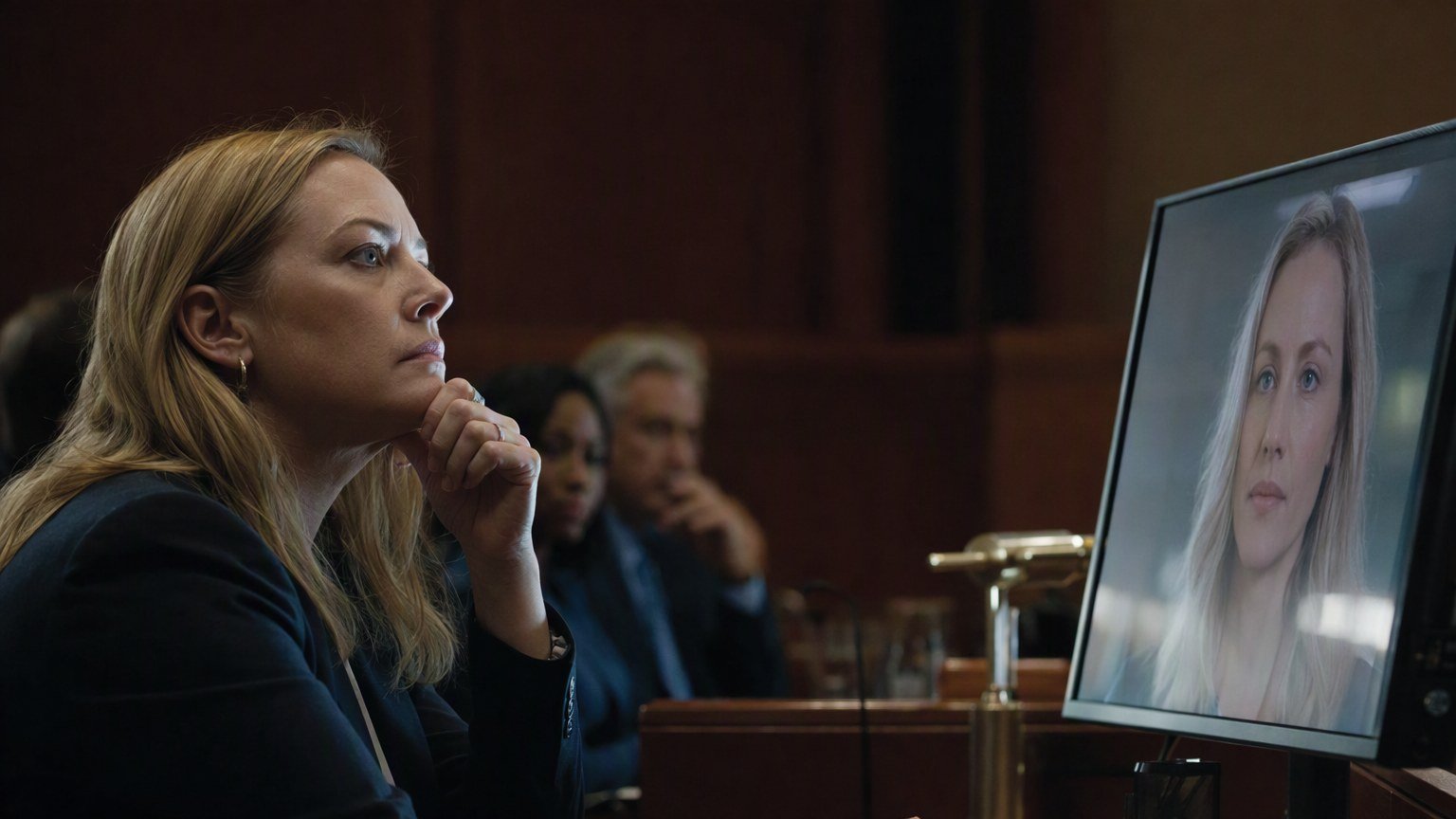
It must have been devastating to watch in that courtroom. I can’t even imagine. But here’s the thing – and this is where the legal system gets uncomfortable with our shiny new tech toys – that wasn’t actually Christopher Pelkey speaking. It was his sister’s imagination of what he might have said, filtered through an algorithm, puppeting a digital ghost.
The Arizona Court of Appeals didn’t mince words: “Rather than document an event or recording a particular moment, the AI video presents a depiction of the victim and his thoughts created from the imaginings of the victim’s sister.” Translation: this wasn’t evidence. This was fan fiction with a deepfake face.
Victim Impact Statements Have Rules (Who Knew?)
Victim impact statements are already kind of controversial in legal circles. They’re supposed to give victims and their families a voice in the sentencing process, which sounds great in theory. But they also introduce raw emotion into a system that’s supposed to be, you know, somewhat rational. There’s always been this tension between justice as vengeance and justice as… whatever the hell justice actually is.
But traditionally, these statements have guardrails. A family member can stand up and say “this is how this death affected me” or even “this is what my brother was like.” What they can’t do – or at least, what they’re not supposed to do – is literally put words in the dead person’s mouth.
So What Happens Now?
Horcasitas isn’t walking free. Let’s be clear about that. He was convicted by a jury of actually killing someone. That verdict stands. What’s happening is he’s getting resentenced – basically, the sentencing hearing gets a second try, this time without the AI Pelkey making an appearance.
Will the sentence change? Honestly, probably not by much. The judge already heard all the facts of the case, saw the real evidence, understood what happened that day at a red light when two men’s tempers got the better of them and one ended up dead. The AI video was impactful, sure, but it’s not like it revealed new information about the crime itself.
But the precedent here is actually pretty significant. Because this is, as far as I can tell, the first time an appeals court has had to grapple with AI-generated victim statements. And they drew a line. A clear one.
“Rather than document an event or recording a particular moment, the AI video presents a depiction of the victim and his thoughts created from the imaginings of the victim’s sister.”
The Bigger Picture Nobody’s Talking About
Here’s what keeps me up at night about this case: the technology that made this possible is only getting better. And cheaper. And more accessible. What Pelkey’s family did required some effort and probably some money. In five years? Anyone with a smartphone will be able to do this in about 10 minutes.
Imagine divorce proceedings where someone AI-generates their ex saying terrible things. Imagine business disputes where fake videos of handshake deals materialize. Imagine, I mean, literally any scenario where someone has an incentive to lie and the technical ability to make that lie incredibly convincing.
The legal system is already creaking under the weight of ring camera footage and contested text messages. How’s it going to handle a world where video and audio evidence can be manufactured wholesale? Where the question isn’t just “is this witness credible” but “is this witness even real?”
Some prosecutors and defense attorneys I’ve talked to over the years (and okay, mostly after a few drinks) will admit the system works on a kind of collective faith that evidence is generally what it purports to be. Sure, people lie on the stand. Sure, photos can be doctored. But there’s been this baseline assumption that manufacturing evidence takes effort, expertise, resources. That assumption is dying.
What This Actually Means
The Arizona court made the right call, even though it probably feels like a slap in the face to Pelkey’s grieving family. Because once you open the door to AI-generated victim statements, you’re basically saying feelings matter more than facts. And in a courtroom, that’s a dangerous road to go down.
Does that mean technology has no place in victim impact statements? I don’t think so. If Pelkey had actually recorded a video before he died saying “if something happens to me, I want you to know…” – that would be fair game. That’s his actual voice, his actual thoughts. But asking an AI to imagine what he might have said? That’s just ventriloquism with extra steps.
The uncomfortable truth is that the dead don’t get to speak at sentencing hearings. They never have. What they get is people who loved them speaking on their behalf, within certain boundaries. Those boundaries exist for a reason – even when they feel cruel, even when they prevent something that seems meaningful and cathartic.
Horcasitas will be resentenced. The family will probably be angry about this ruling for a long time. And somewhere, a bunch of lawyers are already drafting policies about AI-generated evidence for courtrooms that haven’t even encountered it yet. Because this won’t be the last case like this. It’s probably not even going to be the weirdest one.