
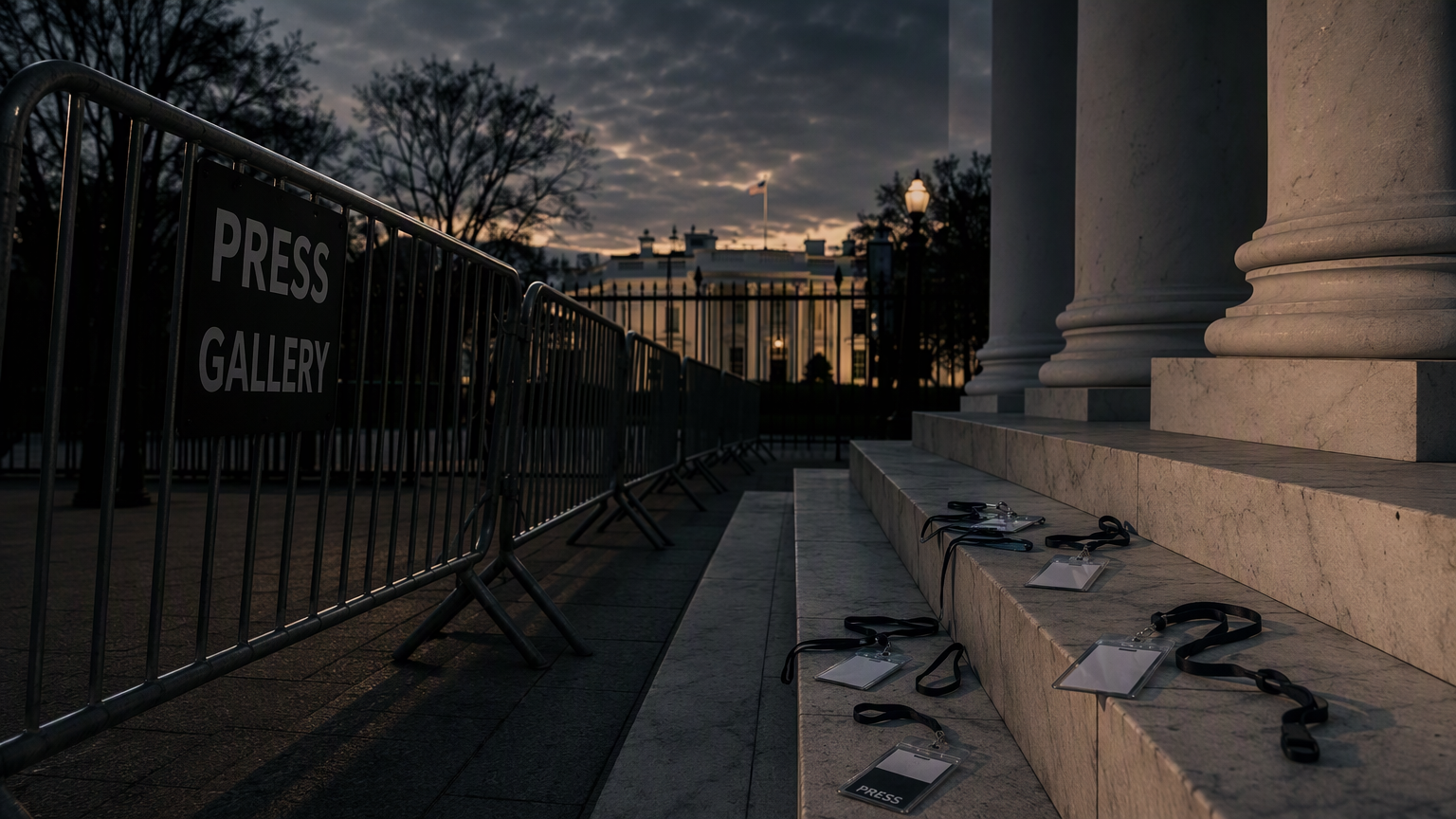
The Justice Department just told a federal court that the White House can kick CNN – or basically any outlet it wants – out of the briefing room if the President decides their reporters aren’t “professional” enough. Not biased. Not inaccurate. Just… not professional, in whatever way the administration feels like defining that on a given Tuesday. And yeah, I had to read that sentence a couple times before it sank in.
Okay, So What Actually Happened Here
This whole mess traces back to the Associated Press getting frozen out of the Oval Office and Air Force One earlier this year after refusing to call the Gulf of Mexico the “Gulf of America” in its style guide. A judge looked at that and said, hold on, that’s viewpoint discrimination, you can’t punish a wire service for word choice. Pretty straightforward First Amendment stuff, honestly. The kind of ruling that shouldn’t have been controversial.
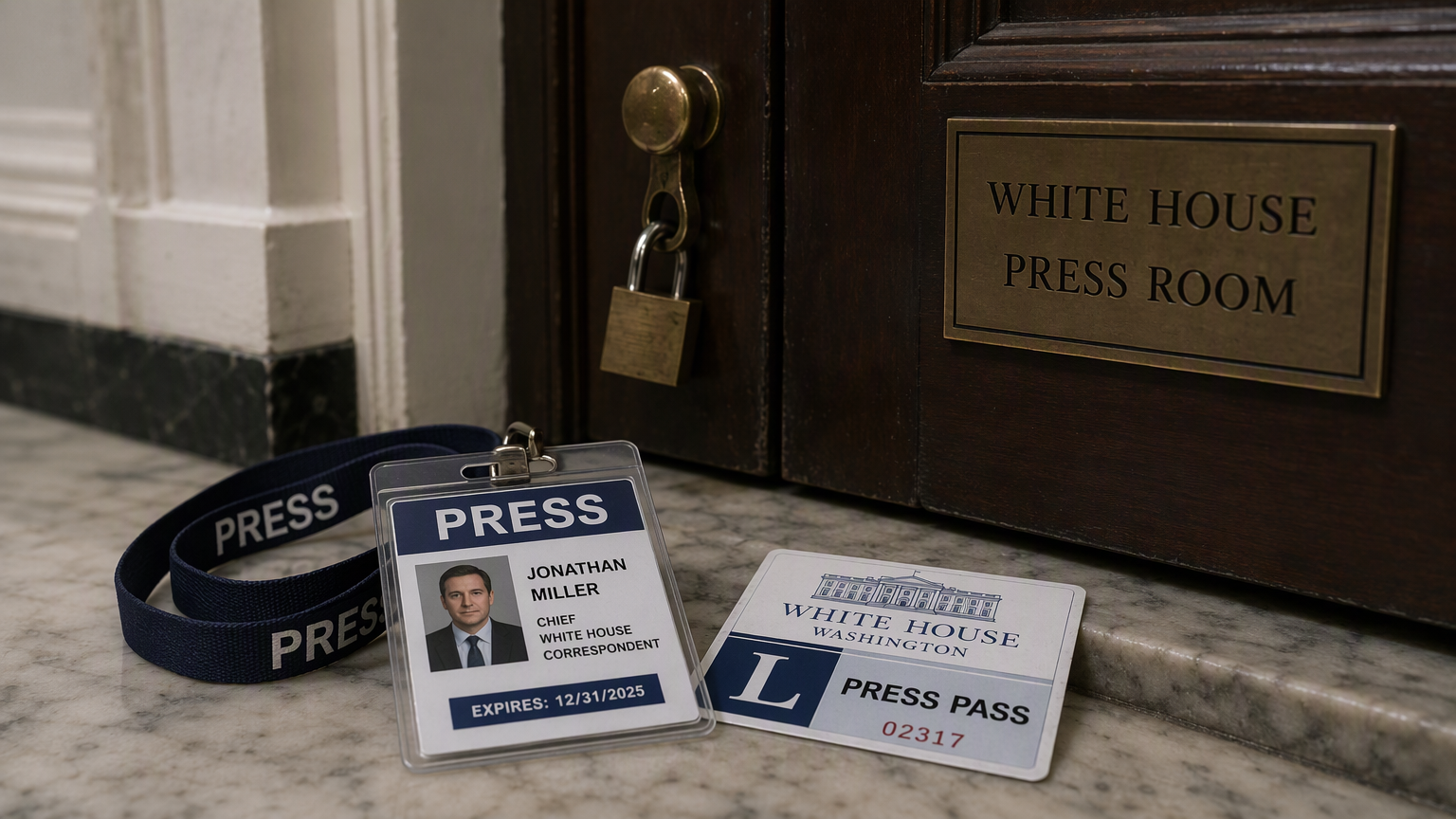
But instead of just, I don’t know, accepting that and moving on, the DOJ went back in and basically said: fine, but we still reserve the right to ban outlets – CNN included, apparently by name – if they don’t meet “minimum requirements of professionalism.” Which sounds reasonable on paper. Who’s against professionalism, right? Except there’s no definition attached to that phrase. None. It’s doing a lot of work for a term nobody bothered to pin down.
The Professionalism Loophole
Here’s the thing that bugs me most about this argument. “Professionalism” isn’t a legal standard, it’s a vibe. And vibes are exactly the kind of squishy, subjective thing that lets an administration punish reporters it doesn’t like while technically never admitting that’s what it’s doing. You don’t have to say “we’re banning you because your coverage was unflattering.” You just say the outlet “lacked professionalism” and suddenly you’ve got cover. That’s not a hypothetical slippery slope, by the way – that’s the actual mechanism being proposed, from what I can tell reading through the filing details circulating this week.
Haven’t We Been Here Before?
Short answer: yes. Nixon tried something similar. So did other administrations, in smaller, quieter ways – moving reporters’ seats, shrinking the press pool, that sort of petty stuff. There’s actual case law on this going back decades, Sherrill v. Knight from 1977 being the big one, which basically established that the White House can’t deny press credentials arbitrarily or without some kind of due process. The DOJ’s new argument seems to be trying to carve out an exception big enough to drive a truck through.
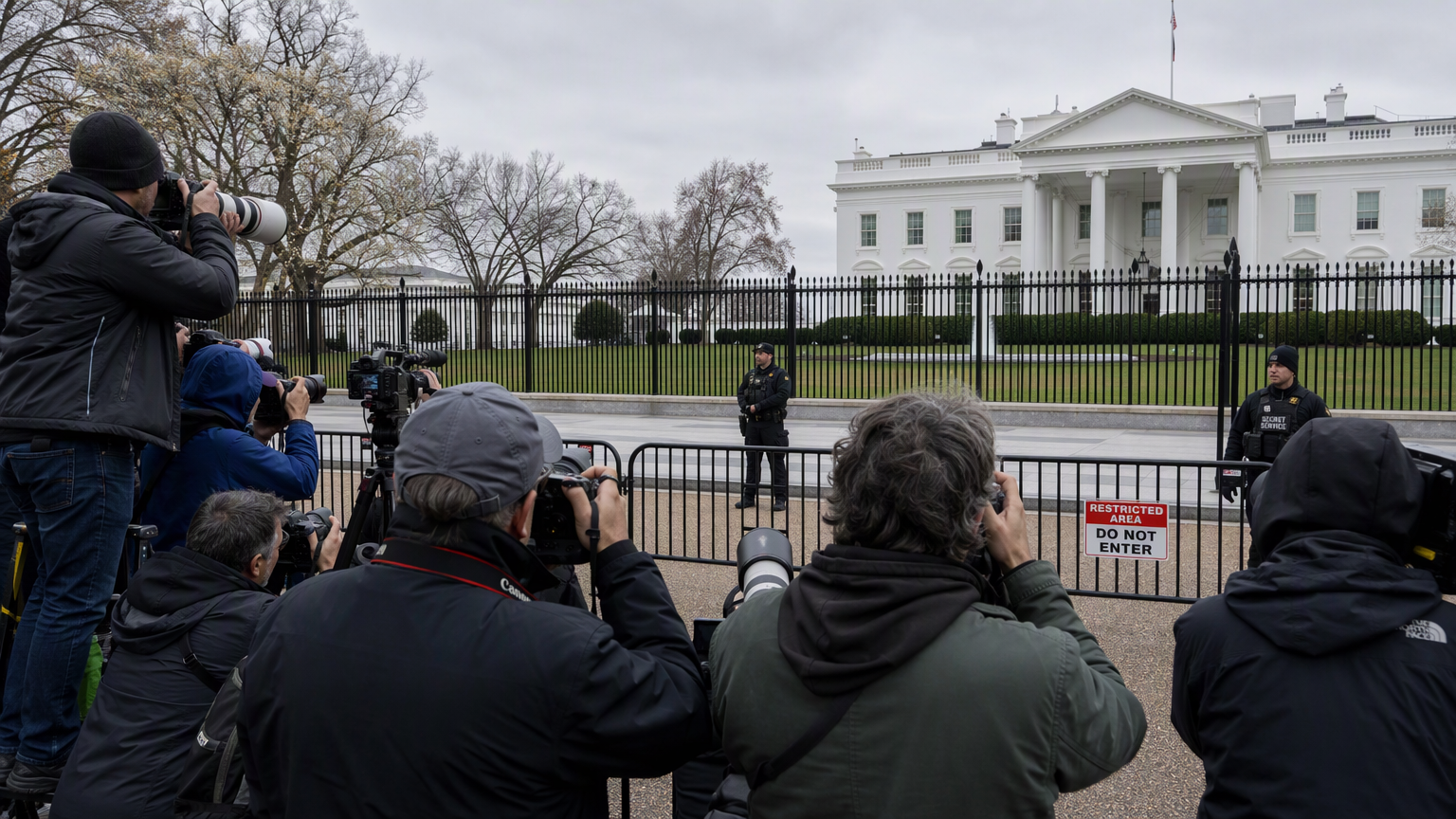
I’ve covered press access fights before, on a much smaller scale – city hall stuff, state capitol press rooms, the usual petty turf wars that happen when officials get annoyed at reporters asking inconvenient questions. And it’s always the same playbook. Never admit you’re punishing someone for what they wrote. Always find a neutral-sounding procedural reason instead. “Professionalism” is just the fanciest version of that I’ve seen in a while.
“Access to the White House isn’t a reward for good behavior – it’s a function our democracy depends on working,” one media law professor put it recently, and honestly, that’s about as clean a summary as you’re going to get.
Why This Isn’t Just a CNN Problem
Look, I get it. A lot of people’s gut reaction to “CNN might get banned from the White House” is some version of a shrug, or worse, a little bit of satisfaction depending on which side of the aisle they’re sitting on. I’d push back on that reaction pretty hard. This isn’t really about whether you like CNN’s coverage. It never is, with these fights. The precedent being argued here would apply to literally any outlet, under any administration, forever. Today it’s a network some people love to hate. Tomorrow it could be a local paper that ran one too many investigative pieces on a mayor’s spending habits.
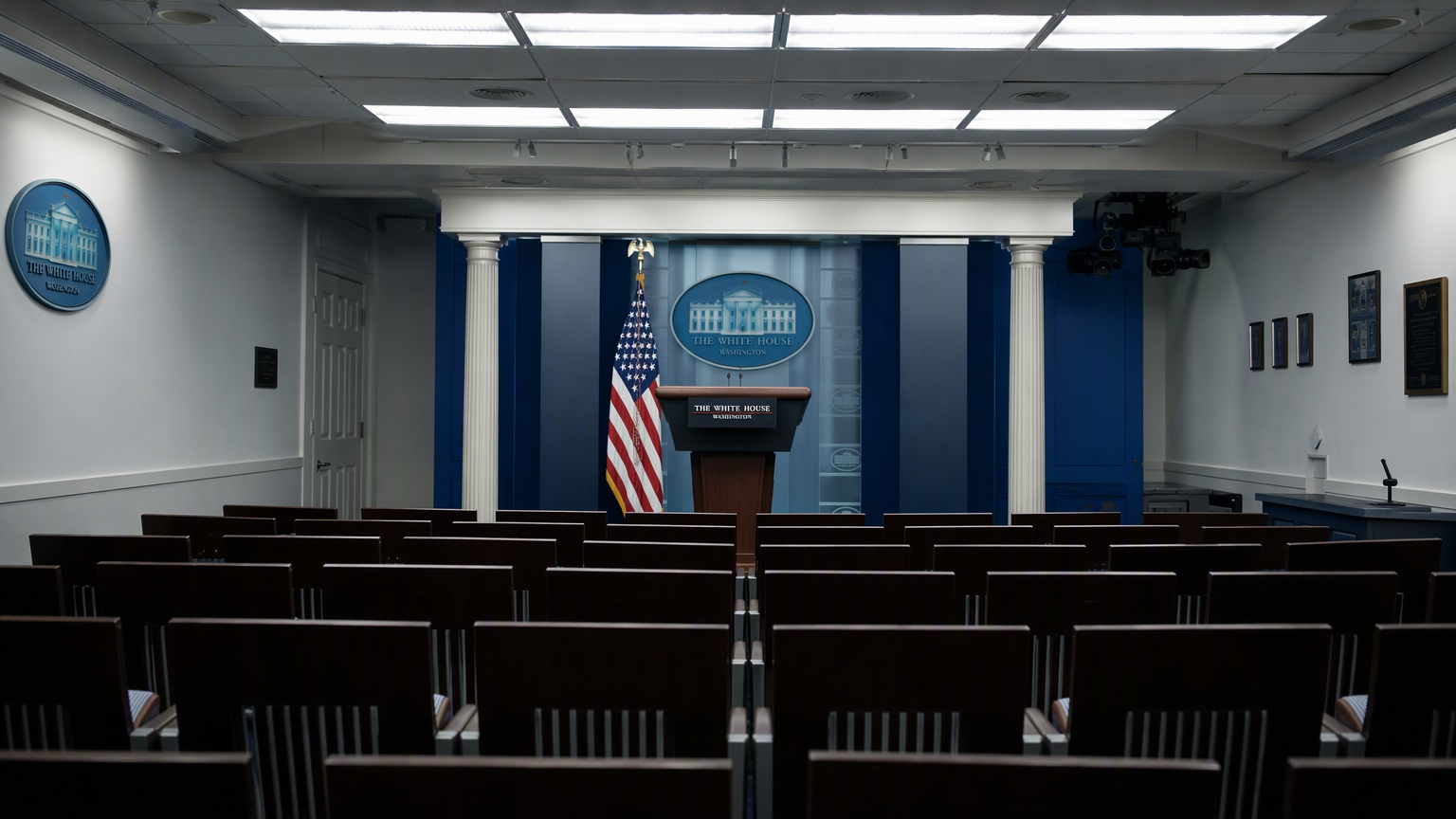
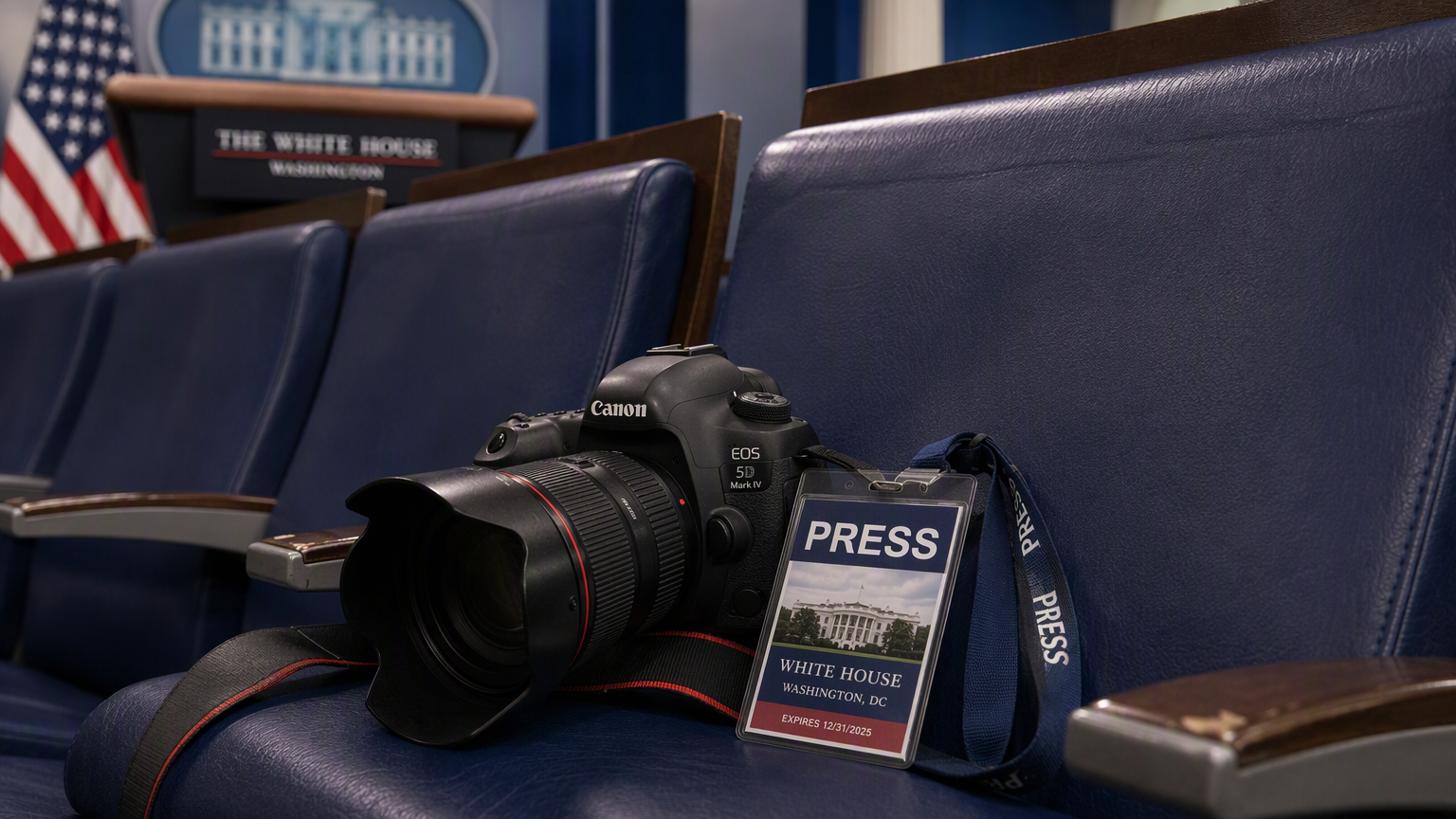
And that’s really the trick with press freedom cases – they rarely feel urgent until the rule gets turned against something you actually care about. By then it’s precedent. By then it’s settled law. The time to argue against a vague “professionalism” standard is now, while it’s still just an argument in a brief, not after some court somewhere decides it’s fine, actually, the executive branch gets to pick and choose its press corps based on feelings.
What the Administration Would Probably Say
To be fair – and I try to be, even when I’ve clearly got a take here – the White House has some legitimate interest in managing a chaotic briefing room. Space is limited. Behavior standards exist for a reason; you can’t have reporters shouting over each other or physically crowding the podium. Nobody’s arguing the press room should have zero rules. But there’s a massive difference between “don’t shove the intern” and “we get to decide, with no real definition, whether your network’s output clears some bar of professionalism we invented after the fact.” One’s a logistics issue. The other’s a loyalty test dressed up in bureaucratic language.
What This Actually Means
If the courts buy this argument – and that’s a genuinely open question right now, it’s not entirely clear yet which way this goes – you’d be looking at a pretty significant erosion of something that’s held up, more or less, since the Nixon era. Not through some dramatic law passed by Congress. Through a legal brief. Through a phrase nobody defined, applied by whoever happens to be sitting in the Oval Office at the time, against whichever reporters happen to be asking the questions they don’t want to answer that week.
I don’t think this ends with CNN, win or lose. Somebody’s always going to be the test case, and somebody else is always next in line. That’s kind of how access journalism works, for better or worse – it’s never really been a right so much as a privilege that’s been protected just enough, by just enough court rulings, to function like one. This fight is about whether that thin protection holds, or whether “professionalism” becomes the new favorite word for “coverage we didn’t care for.” We’ll find out, probably sooner than anyone expects. Keep an eye on this one.