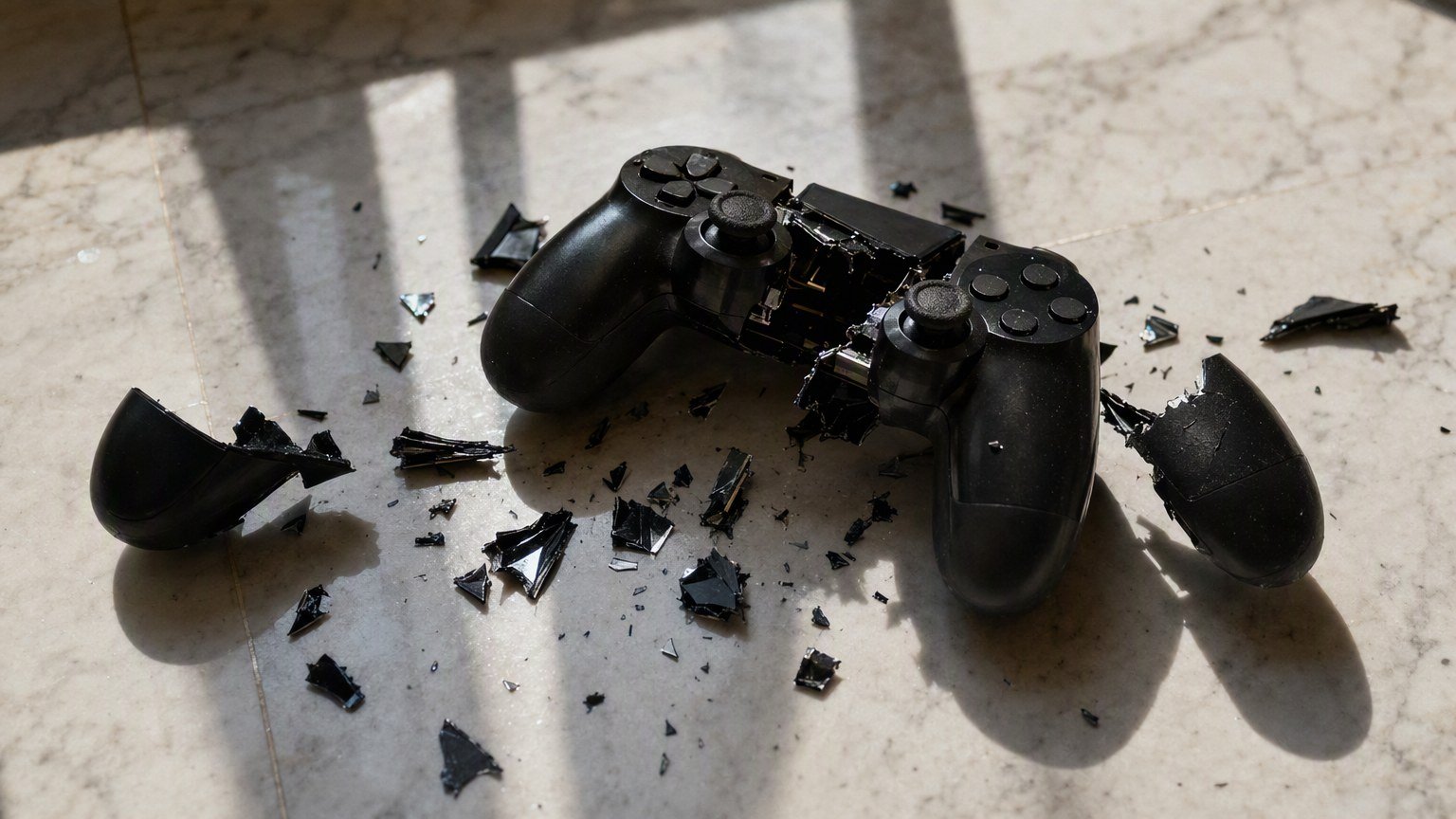
There’s a new EU law proposal that could basically nuke the entire gaming industry, and honestly? Most people have no idea it’s coming. The EU Kids Act dropped on September 17, 2026, and while it’s being sold as protection for children from AI and “risky digital services,” consumer advocates are…
There’s a new EU law proposal that could basically nuke the entire gaming industry, and honestly? Most people have no idea it’s coming. The EU Kids Act dropped on September 17, 2026, and while it’s being sold as protection for children from AI and “risky digital services,” consumer advocates are screaming that it’s something way worse hiding in a very nice-sounding wrapper.
The Trojan Horse Nobody’s Talking About
Ross Scott – the guy behind Stop Killing Games, a consumer advocacy group that’s been fighting for game preservation – just put out a video calling this “the most draconian proposal I’ve ever seen regarding video games and consumers.” And look, Scott isn’t some random rage-baiter on YouTube. He’s been doing this work for years, actually trying to stop publishers from flipping a switch and making games you paid for disappear forever.
According to the official European Commission website, the EU Kids Act is supposed to “protect minors from risky digital services and AI systems” while keeping the digital single market coherent. Sounds reasonable, right? Except Scott says that’s essentially a mask. The AI panic and child safety angle? That’s the cover story for what’s actually buried in this thing. It's the same kind of friendly branding that masked how Meta's cute AI mascot turned out to be a privacy nightmare.
“Curbing social media and AI has nothing to do with why this is such a horrible law proposal,” Scott said in the video. He literally called it a “bomb that could implode the whole video games industry.”
So What’s Actually In There?
Here’s the thing – the proposal uses legitimate concerns about kids online as a gateway to impose requirements that could fundamentally break how online gaming works. And I mean break it. Not inconvenience it, not add some hoops to jump through. Actually break it.
Scott argues the real danger isn’t in the stated goals but in the implementation requirements that come with them. We’re talking about age verification systems, content restrictions, and regulatory frameworks that sound innocent until you actually think about what they’d require from game developers, platforms, and publishers. We're already seeing a preview of this with ID checks on hardware purchases just to buy a graphics card.
Why This Could Actually Kill Gaming
Let’s be real for a second. The EU has a track record of passing tech regulations that sound great in Brussels but turn into compliance nightmares in the real world. Remember when GDPR launched and every single website on earth suddenly had those cookie popups? Yeah. That was annoying but mostly harmless. It's a similar pattern to how NYC just declared war on sketchy subscriptions, where sweeping consumer rules sound great until businesses have to actually comply.

This is different. This is about who can access games, how they can access them, and what hoops developers have to jump through to let people play. And when you start adding mandatory age verification to everything – not just porn sites or gambling, but multiplayer games, online storefronts, anything a kid might theoretically access – you’re building a surveillance infrastructure that’s expensive, privacy-invasive, and probably not even effective at the stated goal.
But here’s what really gets me. Small and mid-size developers can’t afford this kind of compliance. They just can’t. Big publishers like EA or Activision? They’ll grumble, hire some lawyers, build the systems, and pass the costs on to consumers. Indie developers trying to launch a multiplayer game in the EU market? They’re screwed.
“This is such a horrible law proposal.”
The Pattern We Keep Seeing
I’ve seen this movie before, and it never ends well. Politicians see a scary thing (in this case, AI and kids online), panic, and write sweeping legislation that tackles the scary thing plus a whole bunch of other stuff they’ve wanted to regulate for years. It’s legislative opportunism wrapped in “think of the children” rhetoric.
And look, I’m not saying kids don’t need protection online. They absolutely do. But you know what doesn’t protect kids? Laws so broad and heavy-handed that they kill competition, centralize power in the hands of mega-corporations who can afford compliance, and create honeypot databases of age verification data that’ll get hacked within six months of implementation.
What’s frustrating is that there are actual, reasonable ways to approach child safety online that don’t involve building a panopticon. Parental controls. Education. Age-appropriate design principles that don’t require proving your identity to play a video game. But those solutions are boring and don’t make for good press releases.
What This Actually Means
If this passes as-is, we’re looking at a future where launching a game in the EU means navigating a regulatory maze that most developers simply won’t bother with. Region-locking will become standard. Games will launch everywhere except Europe. Or they’ll launch stripped-down versions with features disabled to avoid triggering compliance requirements.
And the really wild part? This might not even stay contained to the EU. We’ve seen it before – California passes a privacy law, suddenly every company just applies it nationwide because it’s easier than maintaining two systems. The EU passes something like this, and other countries start thinking “hey, that’s a good idea” without understanding the implementation disaster hiding underneath.
The EU Kids Act is being positioned as forward-thinking regulation. But from where I’m sitting, it looks more like a sledgehammer looking for a nail, and the entire gaming ecosystem is about to get flattened in the process. Maybe I’m wrong. Maybe the final version will be reasonable and targeted. But based on what Scott and Stop Killing Games are seeing in the current proposal… I’m not holding my breath.