

Tennessee tried to execute Christa Pike on Wednesday. It didn’t work. Not fully, anyway. She’s alive right now, in critical condition, hooked up to machines that are keeping her that way, and her lawyer is standing in front of cameras saying the state needs to call this whole thing off before it…
Tennessee tried to execute Christa Pike on Wednesday. It didn’t work. Not fully, anyway. She’s alive right now, in critical condition, hooked up to machines that are keeping her that way, and her lawyer is standing in front of cameras saying the state needs to call this whole thing off before it goes any further.
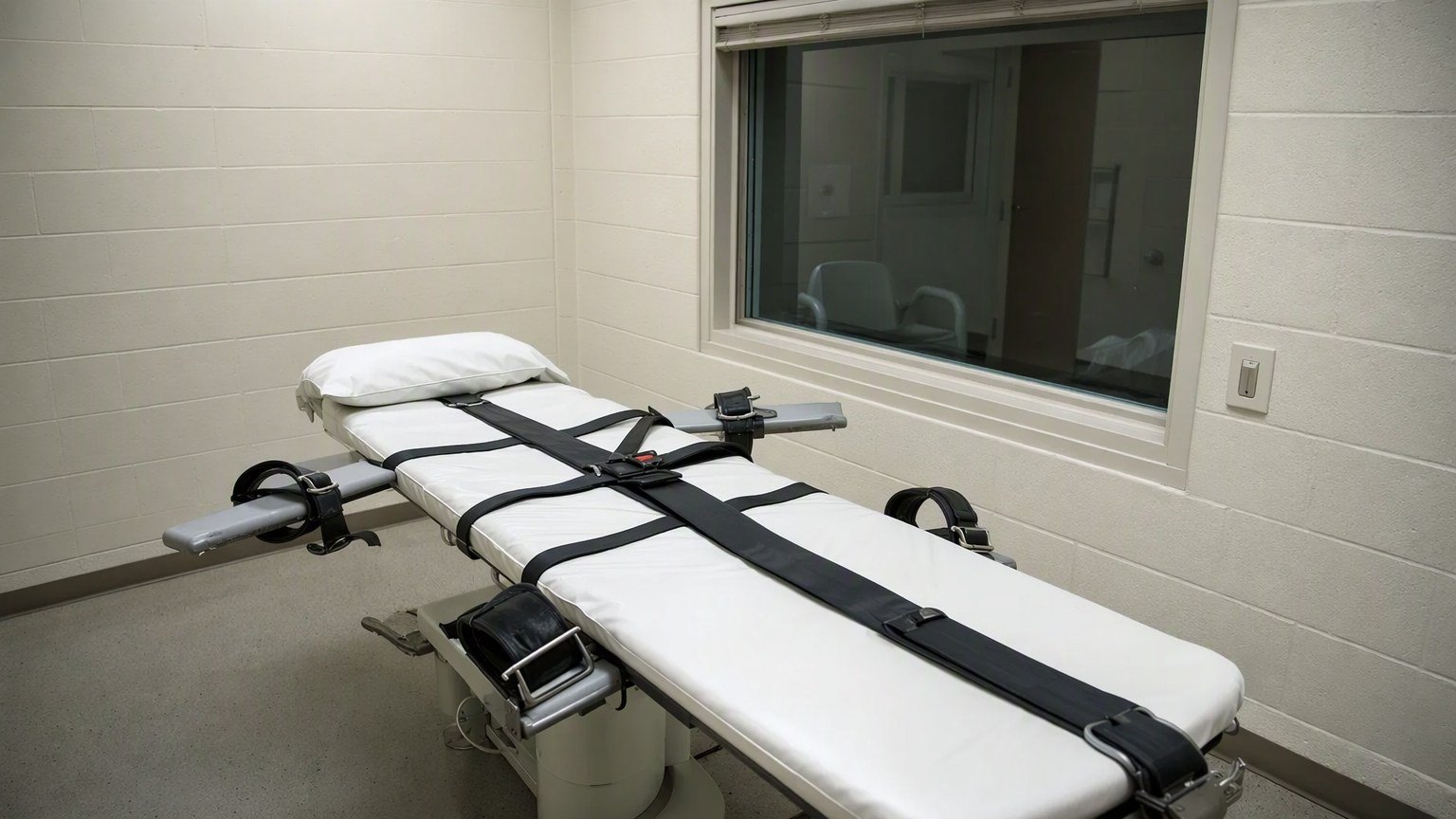
I’ll be honest, I’ve covered a lot of death penalty cases over the years and I don’t think I’ve ever had to type the words “failed execution” and “still alive” in the same sentence. This is not normal. This is not how any of this is supposed to go. She was left twice injected and still alive, a nightmare now playing out in a hospital bed instead of a death chamber.
So What Actually Happened Here?
Pike was given two separate doses of lethal injection drugs. Two. And she survived both. Whatever cocktail Tennessee uses for executions, it didn’t do what it’s designed to do, and now instead of being pronounced dead, she’s in a hospital bed receiving what her attorney called “lifesaving medical care.” Let that sink in for a second – the state administered drugs meant to kill her, and now medical staff are working to keep her alive. That’s about as backwards as it gets. At least one witness in the chamber watched the execution fail twice, and said afterward there was no sense of justice in what she saw.

Her attorney, Randy Spivey, who works for the Tennessee Office of the Post-Conviction Defender, held a virtual press conference Thursday morning. And he didn’t hold back. He called the botched execution “cruel,” “torturous,” and – this is the word that really stuck with me – “predictable.” Predictable. Meaning this wasn’t some freak accident nobody could’ve seen coming. According to Spivey, this was the kind of outcome people were warning about.
“We don’t have much sense of her prognosis but we do know that she is alive right now and receiving lifesaving medical care,” Spivey said.
The Line That Stopped Me Cold
Spivey also said something that I think deserves its own moment: “Christa has endured punishment greater than any other person in the history of the American death penalty.” That’s a massive claim. I’m not a lawyer and I can’t independently verify the historical record on that one, but think about what he’s actually saying – that being strapped down, injected with drugs meant to end your life, surviving it, and then having to lie there not knowing what’s happening to your own body… that’s its own category of suffering that the legal system never really built a lane for.
Who Is Christa Pike, Anyway?
For people just tuning in – Pike has been on death row for decades. She was convicted back in the mid-90s for the murder of a fellow Job Corps student in Knoxville, a killing that made national headlines at the time for how brutal it was. She was in her late teens when it happened, which made her, for years, one of the youngest women on death row in the country.
That history matters here, not because it excuses anything, but because it’s part of why this case has always drawn attention. People have strong feelings about Pike. Some think she got exactly what she deserved decades ago and this is just the state finally following through. Others think the passage of time, her age at the time of the crime, and now this – a literal failed execution – changes the moral math entirely.
Why This Is Bigger Than Just One Case
Here’s the thing that keeps nagging at me. Lethal injection was sold to the public, decades ago, as the “humane” alternative. No electric chair, no firing squad, no gas chamber – just a clean, clinical, medical-sounding process. Go to sleep, don’t wake up. That was the pitch.
But we’ve seen this story before, haven’t we? Botched executions have happened in other states too – vein issues, drugs that don’t work the way they’re supposed to, executions that drag on far longer than planned. Tennessee itself paused executions for a stretch of time a few years back after an independent review found serious problems with how the state was handling its lethal injection protocol. So when Spivey says this was “predictable,” I don’t think that’s just lawyer talk. I think he’s pointing at a pattern that keeps repeating because nobody’s actually fixed the underlying problem.
“Christa has endured punishment greater than any other person in the history of the American death penalty.”
And now the ball is in the governor’s court. Spivey’s ask is pretty direct – commute the sentence, immediately. Not pause it. Not review it. Commute it. Because, from his point of view, you can’t just try again after something like this. You don’t get a do-over on an execution. Once the state has already put someone through that process and failed, what exactly is the legal and moral justification for strapping her back down and trying a third time?
What This Actually Means
I don’t know what the governor is going to do. These things move slow, and death penalty politics in Tennessee – like most states that still carry out executions – are messy, loud, and rarely resolved quickly. But I do think this case is about to become a flashpoint in the broader fight over lethal injection as a method, not just over Pike’s specific sentence.
Because here’s the question nobody’s really answering yet: if the state’s own execution process can fail this badly, what does that say about every execution that came before it that we assumed went smoothly? Were they actually smooth? Or did we just not get the press conference?
Pike is alive tonight because the drugs didn’t do what they were supposed to do. That’s not a victory for anyone. It’s just a mess – a legal one, a medical one, and honestly, a deeply human one. What happens next says a lot about whether Tennessee is willing to look at that mess honestly, or just try to clean it up quietly and move on.