Ask a data center operator how much water their facility guzzles in a year and watch what happens. Most of them will smile, deflect, maybe mumble something about “trade secrets,” and change the subject faster than you can say “cooling tower.” That’s not a hunch, by the way. That’s basically the finding of a recent investigation making the rounds, and honestly? It tracks with everything I’ve been hearing from people in the industry for the last couple years.
So What Are They Actually Hiding
Here’s the thing – data centers need insane amounts of water to keep their servers from melting into puddles of expensive silicon. We’re talking millions of gallons at a single facility, sometimes in a single day. And yet when researchers and journalists go looking for actual numbers, they hit a wall. A big, well-funded, PR-approved wall.
According to reporting out of the Netherlands (NL Times covered this, and it’s worth a read if you can find the original), most data centers just… refuse. They won’t disclose consumption figures for water or electricity. Not to regulators pushing for transparency, not to local communities who are watching their wells run dry, not really to anyone unless they’re legally forced into it. And even then, the numbers that do trickle out are often vague enough to be useless.
I have to admit, this doesn’t surprise me one bit. I’ve covered enough corporate sustainability reports to know that “transparency” often means releasing exactly the numbers that make you look good and burying the ones that don’t. Data centers are no different. They love to talk about “green energy commitments” and carbon neutral pledges, but ask about the millions of gallons of water evaporating off their cooling towers every week? Suddenly it’s crickets.
Why Water Even Matters Here
Quick tangent, but I think it’s necessary. A lot of people hear “data center” and think electricity, not water. Makes sense, right? Servers run on power. But keeping those servers cool is a massive undertaking, and a lot of facilities still rely on evaporative cooling systems that chew through water like it’s free. Spoiler: it’s not free, especially not in drought-prone regions where these facilities keep popping up like weeds.
Why Are They So Secretive About This
Good question. And the answer, from what I can tell, is a mix of competitive advantage and just… not wanting the bad press. Companies don’t want competitors knowing their efficiency numbers (fair, I guess, that’s business). But they also really, really don’t want the public knowing that their shiny new AI data center is draining a small town’s water supply while the company brags about its innovation in quarterly earnings calls.
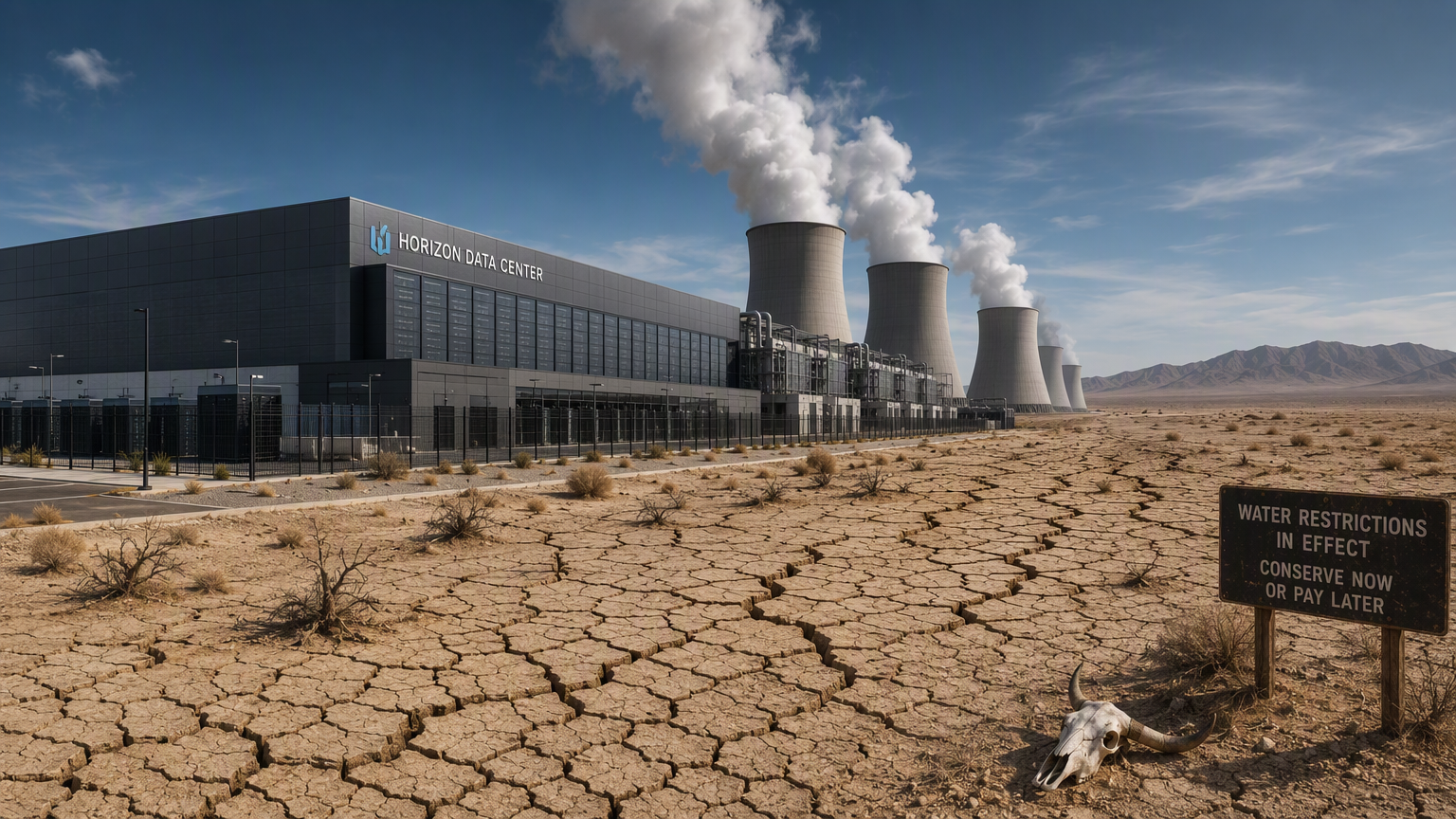
This reminds me of something I saw a few years back covering a data center expansion in Arizona. Local residents were furious. Absolutely furious. Their wells were running low, water rates were climbing, and the company building the facility wouldn’t give a straight answer about consumption. They just kept saying they were “committed to responsible water stewardship.” Whatever that means. It’s corporate speak for “we’re not telling you.”
“You can’t manage what you don’t measure, and you definitely can’t hold anyone accountable for numbers they refuse to share.”
That quote isn’t from anyone famous, just something a water policy researcher said to me once during an interview, but it’s stuck with me for years because it’s just… true. Painfully true. If companies won’t disclose their consumption, there’s no way for communities, regulators, or honestly anyone to know if things are getting better or worse.
The AI Boom Is Making This So Much Worse
Look, I don’t think anyone’s shocked that AI is part of this story. Every new large language model, every fancy chatbot update, every “revolutionary” AI tool needs server farms to run on, and those server farms need water. Lots of it. The demand for data centers has exploded over the past two or three years because of AI, and the infrastructure to support all that computing power is getting built at a pace that honestly outstrips a lot of environmental oversight.
Basically what’s happening is this: companies are racing to build data centers as fast as possible to keep up with AI demand, and in that race, transparency about resource use is getting left in the dust. Nobody wants to slow down long enough to explain, in detail, exactly how much water and electricity their facility is going to need. It would invite scrutiny. It might invite regulation. And right now, growth is the priority, not accountability.
I’ve seen this pattern before in other industries – move fast, avoid disclosure, apologize later if you get caught. It rarely ends well for the communities stuck holding the bag.
What This Actually Means
Here’s my honest take: this isn’t going to get better until someone forces it to. Voluntary transparency has clearly failed, or we wouldn’t even be talking about this. Most data centers had every opportunity to be upfront about their water and power usage, and they chose not to be. That tells you something.
What we probably need is actual legislation – real disclosure requirements with teeth, not the vague sustainability pledges companies love to put in their annual reports. Some regions are starting to push in that direction, but it’s slow, and the data center industry has a lot of money and a lot of lobbying power to slow it down even further.
Not gonna lie, I think we’re heading toward a reckoning here. As AI keeps expanding and these facilities keep multiplying across drought-sensitive regions, the tension between “we need this infrastructure” and “we need water to drink” is only going to get sharper. At some point, the secrecy is going to become impossible to maintain, whether these companies like it or not.
So next time you hear a tech company talk about how “sustainable” their AI operations are, maybe ask them for the actual numbers. See what they say. My guess? Not much.