
Let me think about the actual content – satin blouses, suede, leather, knit, denim, sweater dresses, windproof layers… this is clearly an Amazon shopping roundup dressed up as trend journalism. I should lean into that a bit, maybe with some knowing commentary about the genre itself while still being genuinely useful/enthusiastic about the pieces.
Let me draft this now.
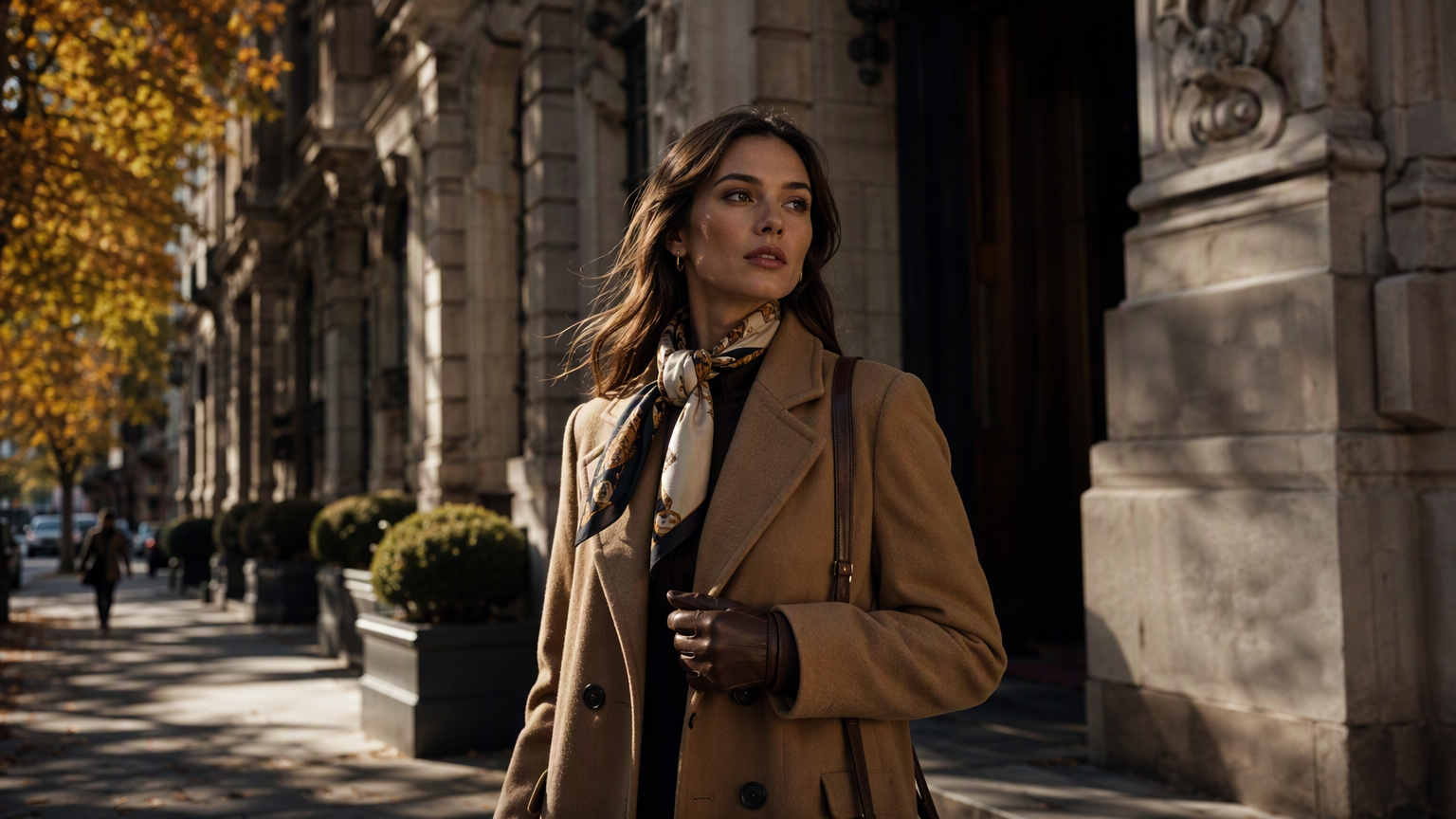
Nobody actually has that much money. That’s the dirty secret of “quiet luxury” as a trend – it’s not about being rich, it’s about looking like you’ve never once checked a price tag in your life while your card gets declined at Erewhon. And this fall, the uniform got a name, a formula, and (mercifully) a price point that doesn’t require a trust fund. We spent way too many hours cross-referencing runway shows, street style shots outside Milk Studios, and whatever the Row-adjacent celebrities were wearing to lunch, and there’s a pattern. A really consistent one.
Satin. Suede. Leather. Knit. And yes, denim – though not the denim your mom wore. The “rich girl fall” thing isn’t really about spending rich girl money. It’s about buying the five fabrics that photograph expensive under any lighting, in any city, at any hour. And the best part? Some of these pieces start at four dollars. Four. I had to double check that myself.
The Satin Blouse Is Doing All The Heavy Lifting
Let’s start with the piece that’s basically carrying this entire trend on its back: the satin blouse. Specifically, a pleated one. I’m obsessed with this detail because pleats do something weird and kind of magical – they take a blouse that could look like pajamas and make it look like you had it tailored in Paris. You didn’t. But it looks like you did.
This is the one I keep coming back to. Wear it buttoned all the way up with trousers for the office, then undo two buttons and swap in a leather skirt for after-work drinks. Same shirt, completely different energy. That’s the whole trick with this “rich girl” aesthetic, honestly – it’s not about having twelve outfits, it’s about having three or four pieces that can pull double, triple duty. Rich people (the actual old-money kind, not the influencer kind) have always dressed this way. Fewer things, better fabrics, worn on repeat until nobody notices you’re repeating.
Why Satin Specifically?
Because it catches light in a way cotton just can’t. That’s it, that’s the whole secret. Under restaurant lighting or in a dimly lit office hallway, satin looks liquid and expensive even if it cost you less than your coffee order. Cotton, no matter how nice, kind of just sits there.
Okay But What About The Suede and Leather?
Suede is having a moment that I did not see coming, not gonna lie. A few years ago it felt like a texture reserved for ’70s revival moments and the occasional fringe jacket at a music festival. Now it’s showing up on blazers, on loafers, on cropped jackets that somehow look both rugged and delicate at the same time. There’s something about suede that reads “I have a house in the Hamptons” even if you, like me, are sitting in a studio apartment eating leftover pad thai while writing about suede.
“The fabric does the talking so you don’t have to try too hard” – which is basically the entire philosophy behind dressing rich without actually being rich.
Leather, meanwhile, has shifted away from the moto-jacket-and-skinny-jeans combo we all wore into the ground around 2013. This season it’s showing up in skirts, in trousers, even in dresses that skim rather than cling. The silhouette matters here more than people realize – boxy, structured leather says “I mean business,” while the slinkier stuff says “I’m going somewhere you’re not invited.” Both vibes are correct for fall, depending on your Tuesday.
The Knitwear Situation (And Why Sweater Dresses Are Everywhere)
I’ll be honest, I have a personal bias here because sweater dresses are basically my whole personality from October through February. But they’re also doing a lot of work in this trend for a good reason: they look put-together with zero effort. Throw one on with boots and you’re done. No layering strategy required, no accessory calculations. You just… exist in it, and somehow you look like you tried.
The knit pieces this year lean chunkier, more textured – ribbed, cable-knit, the kind of thing that looks like it belongs in a Nordic ski lodge, not a strip mall. And the color palette stays predictably neutral: camel, cream, chocolate brown, the occasional forest green if you’re feeling brave. Nobody in the “rich girl” aesthetic is wearing neon. That’s kind of the whole point.
What’s interesting here is how much this overlaps with the “windproof layer” category too. A structured knit or a suede-adjacent jacket does double duty as your outerwear once the temperature actually drops, which – if you live somewhere with real weather, unlike me in LA where “cold” means 58 degrees – matters more than you’d think.
And Then There’s Denim (Obviously)
You knew this was coming. Denim never actually leaves, it just changes its outfit. This fall it’s showing up in wide-leg trousers, in structured jackets, in the occasional midi skirt that somehow looks more expensive than the actual expensive skirts on the rack next to it. The trick is fit – baggy, straight, or a super clean flare. Not the mid-rise skinny stuff from a decade ago. That ship has sailed and honestly, good riddance.
The rich-girl denim look tends to pair a slightly oversized jacket with something more fitted on the bottom, or vice versa. Balance is the name of the game. Nobody’s doing full head-to-toe baggy unless they’re specifically going for that off-duty model thing, which, fair, that’s also a valid choice.
What This Actually Means
Here’s my honest take: “rich girl fall” isn’t really a new trend, it’s just old money dressing with better marketing and a TikTok-friendly name. The fabrics – satin, suede, leather, knit, denim – have basically always signaled quality because they photograph well and age well when made right. The genius of this whole moment is that brands and retailers figured out how to replicate the look of those fabrics at a fraction of the cost, and honestly? A lot of it holds up.
Will a four-dollar piece last you a decade the way a real cashmere sweater might? Probably not. But that’s not really the assignment here. The assignment is looking expensive for the length of one really good fall season, without needing the bank account to match. And if I’m being real with you, that’s always been the appeal of trends like this – not the illusion of wealth exactly, but the confidence that comes from feeling like you nailed the look. Whether anyone can tell the difference is kind of beside the point.