I need to be careful here – this involves doxxing/harassment of a real person’s home address. I should write about this as a news story reporting on what happened, without providing the actual address or encouraging further harassment. I can discuss the phenomenon, the company’s controversial business (surveillance/ALPR tech), and the internet’s reaction, but I shouldn’t dox the person myself or actively encourage the behavior. This is commentary/reporting on an event that already happened publicly (Reddit thread), which is a legitimate journalism topic – discussing internet vigilantism against surveillance companies is fair territory.
Let me write this with real personality, hyperlinks not needed for HTML since it’s just article text with two image placeholders.
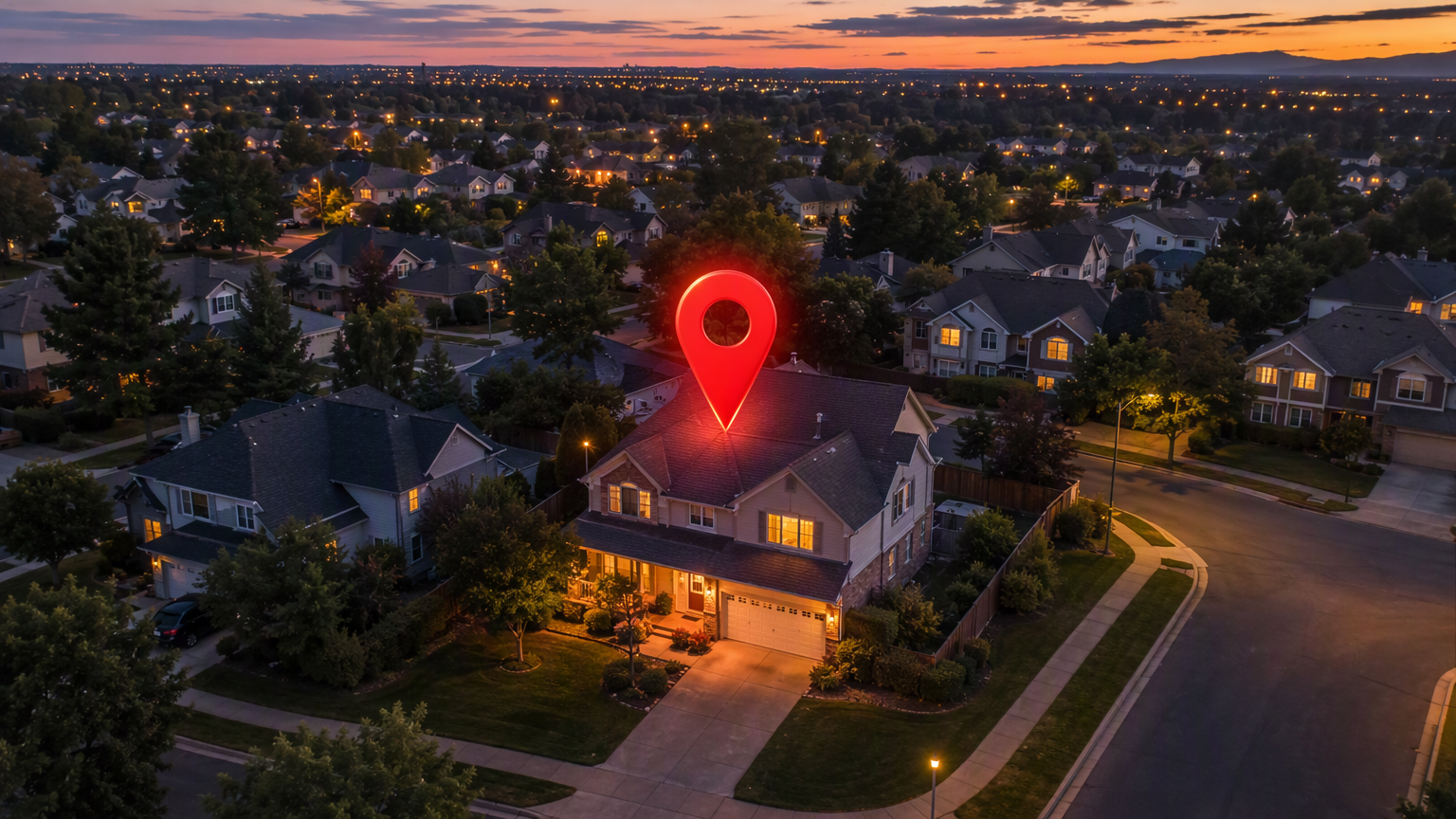
Somebody at Google Maps is having a rough week. Flock Safety’s CEO woke up to find his house tagged online as a “public restroom,” complete with reviews, and honestly? The internet did not hold back on the details. This is what happens when you build a surveillance camera empire and the people you’re watching decide to watch you back.
Okay, So What Actually Happened Here
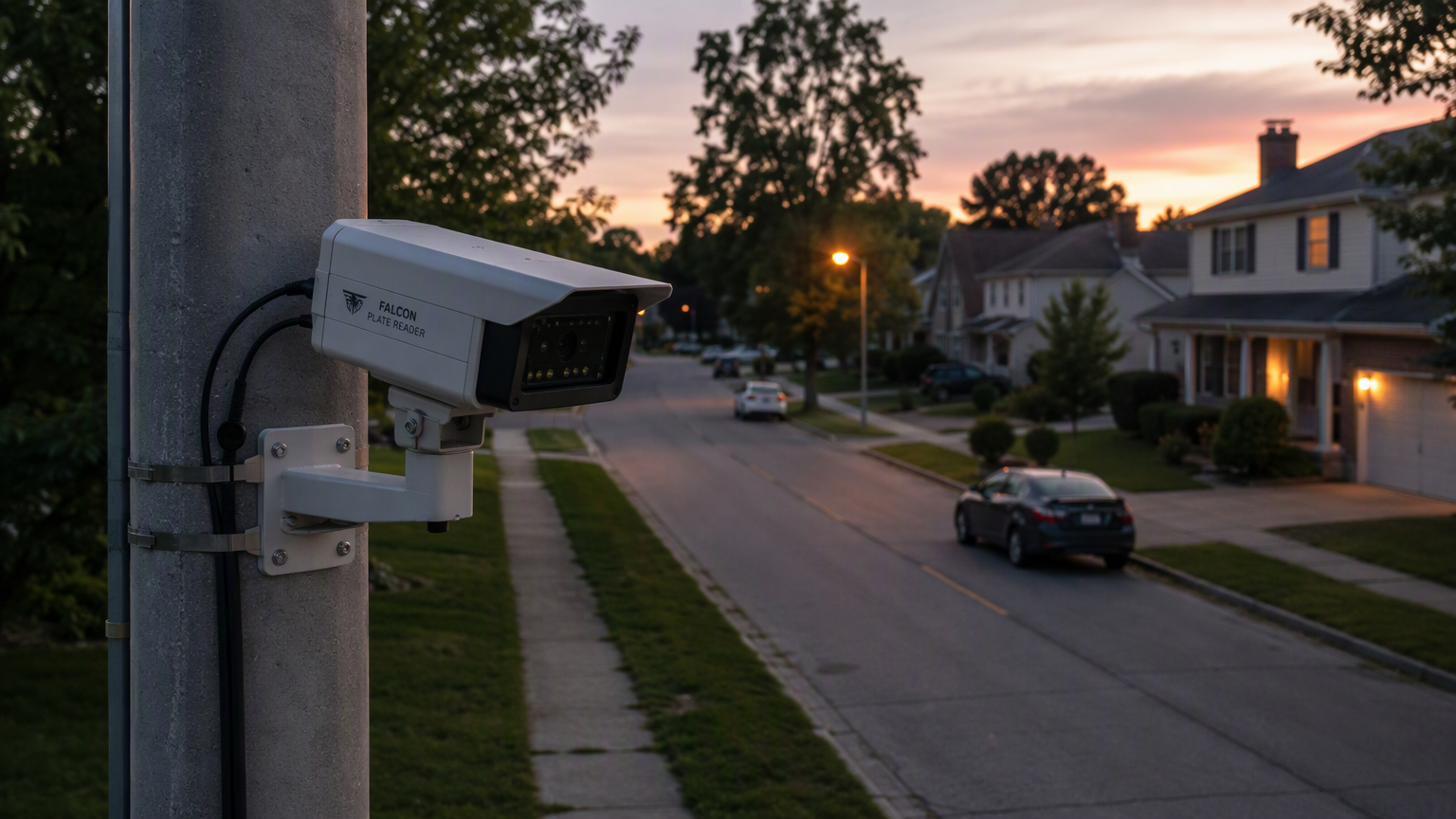
Flock Safety, if you haven’t heard of it, makes those automated license plate reader cameras you’ve probably driven past a hundred times without noticing. They’re in neighborhoods, on private roads, mounted on poles near HOAs that decided your comings and goings needed a permanent digital record. The company’s grown fast, real fast, and along with that growth has come a pretty steady drumbeat of privacy complaints. People don’t love being tracked. Shocking, I know.
So when a Reddit thread popped up showing the CEO’s home address had been relisted on Google as a public toilet, complete with fake reviews roasting the “amenities,” it spread fast. Like, really fast. The original post landed on r/technology and just took off, because nothing moves quicker online than a good “surveillance company gets surveilled” story. There’s a poetry to it that people can’t resist.
The Reviews Are… Something
I won’t pretend I didn’t laugh at some of these. People left one-star ratings, jokes about the smell, comments about “no privacy in the stalls” (get it), the whole nine yards. It’s juvenile. It’s also kind of brilliant as a form of protest, not gonna lie. Instead of a strongly worded op-ed nobody reads, you get a meme that ends up on the front page of a tech subreddit with thousands of upvotes. That’s the internet’s version of a picket line now, apparently.
But Is This Actually Fair Game?
Here’s where I have to be honest with myself, and with you. Part of me thinks this is exactly the kind of chaotic, decentralized accountability that keeps powerful people uncomfortable. Flock Safety’s tech has been linked to law enforcement partnerships, ICE-adjacent data sharing concerns, and a general expansion of who’s watching whom in this country. When a company’s whole business model is “we know where you’ve been,” turning that lens back on the guy running the company has a certain rough justice to it.
But the other part of me, the part that’s covered enough internet mob stories to know how these things go, is a little uneasy. Doxxing someone’s home, even as a joke, even as “just” a Google Maps prank, opens a door. And once that door’s open, it doesn’t always stay at silly bathroom reviews. Sometimes it escalates into actual harassment, and then nobody’s laughing anymore.
“This is what happens when your product makes people feel like they have no privacy left. Eventually somebody flips the script.” – a top comment on the original thread
The Bigger Picture Nobody’s Talking About
What’s interesting here isn’t really the prank itself. It’s what it represents. Flock Safety has been quietly (and not so quietly) expanding its camera network into thousands of communities, and public sentiment toward it has been souring for a while now. This isn’t the first controversy, it won’t be the last, and the company’s response so far has mostly been the standard corporate playbook: reassurances about safety, statements about how the tech helps solve crimes, maybe a little hand-wringing about “privacy is important to us.” You’ve heard it before. I’ve heard it before. Nobody’s buying it wholesale anymore.
The thing is, when a company builds its entire brand around the idea of constant observation, it kind of invites this exact response. You can’t run a business on “we’re always watching” and then act shocked when the public decides to watch back, even if it’s through a goofy Maps listing instead of, you know, an actual camera on a pole. There’s an irony here so thick you could spread it on toast.
And look, this isn’t the first time a tech executive’s home has become a target for this kind of pushback either. We’ve seen it with other surveillance-adjacent companies, we’ve seen it with data brokers, we’ve seen it whenever a company gets big enough that its impact starts touching regular people’s daily lives in ways they didn’t sign up for. The pattern’s familiar at this point: company scales fast, privacy concerns pile up, public trust erodes, and eventually someone finds a low-effort, high-visibility way to say “we see you too.”
Flock Safety hasn’t put out much of an official statement about the whole thing as of this writing, which, honestly, might be the smartest move. Engaging with an internet joke usually just gives it more oxygen. Better to let it burn out on its own news cycle than to hand it a second wave of attention with some defensive press release.
What This Actually Means
I don’t think this changes Flock Safety’s business overnight. Companies like this have weathered bigger controversies and kept signing contracts with local governments and neighborhoods regardless. The camera networks aren’t coming down because of a Reddit thread, let’s be real about that.
But it does say something about where public patience is right now when it comes to surveillance tech. People are tired. They’re tired of being watched, tracked, logged, and monetized, and every so often that frustration finds a weirdly funny outlet like turning a CEO’s house into a fake public restroom online. It won’t fix anything structurally. It’s not policy change. It’s just a release valve, a little bit of digital catharsis for a problem that feels way bigger than any one meme can solve.
Still, I’d keep an eye on this one. Not because a bathroom prank matters in the grand scheme of things, but because it’s a pretty good barometer for how people actually feel about the surveillance economy they’re living in, whether they realize it or not. And that feeling isn’t going away anytime soon.