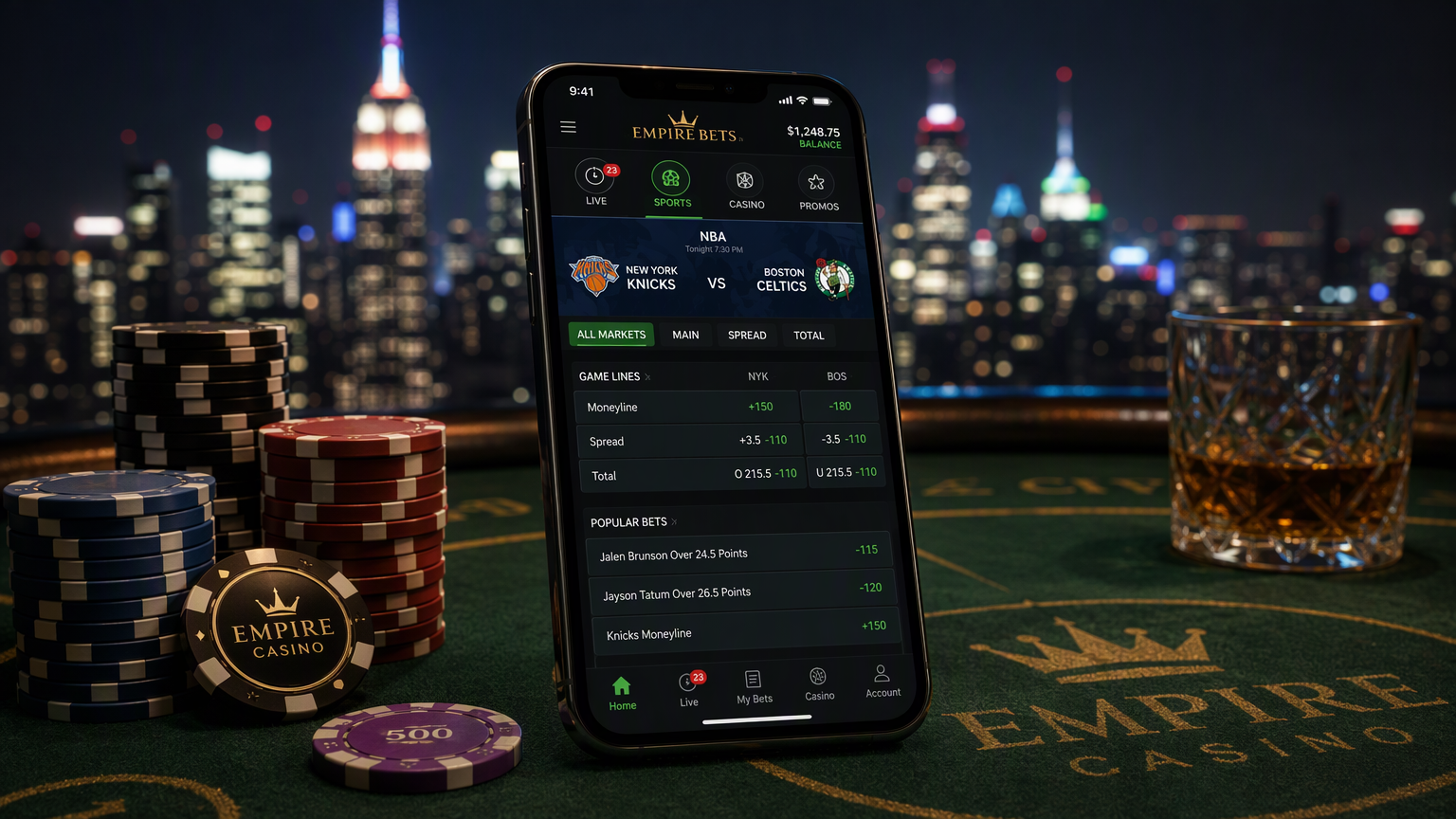
New York’s attorney general just walked up to Polymarket and said the quiet part out loud: this thing looks a whole lot like gambling. On Tuesday, the AG’s office filed suit against the prediction market platform, calling it an unlicensed betting operation dressed up in tech-bro language. And honestly? I’ve been waiting for someone to say this for a while now.
So What Actually Happened Here
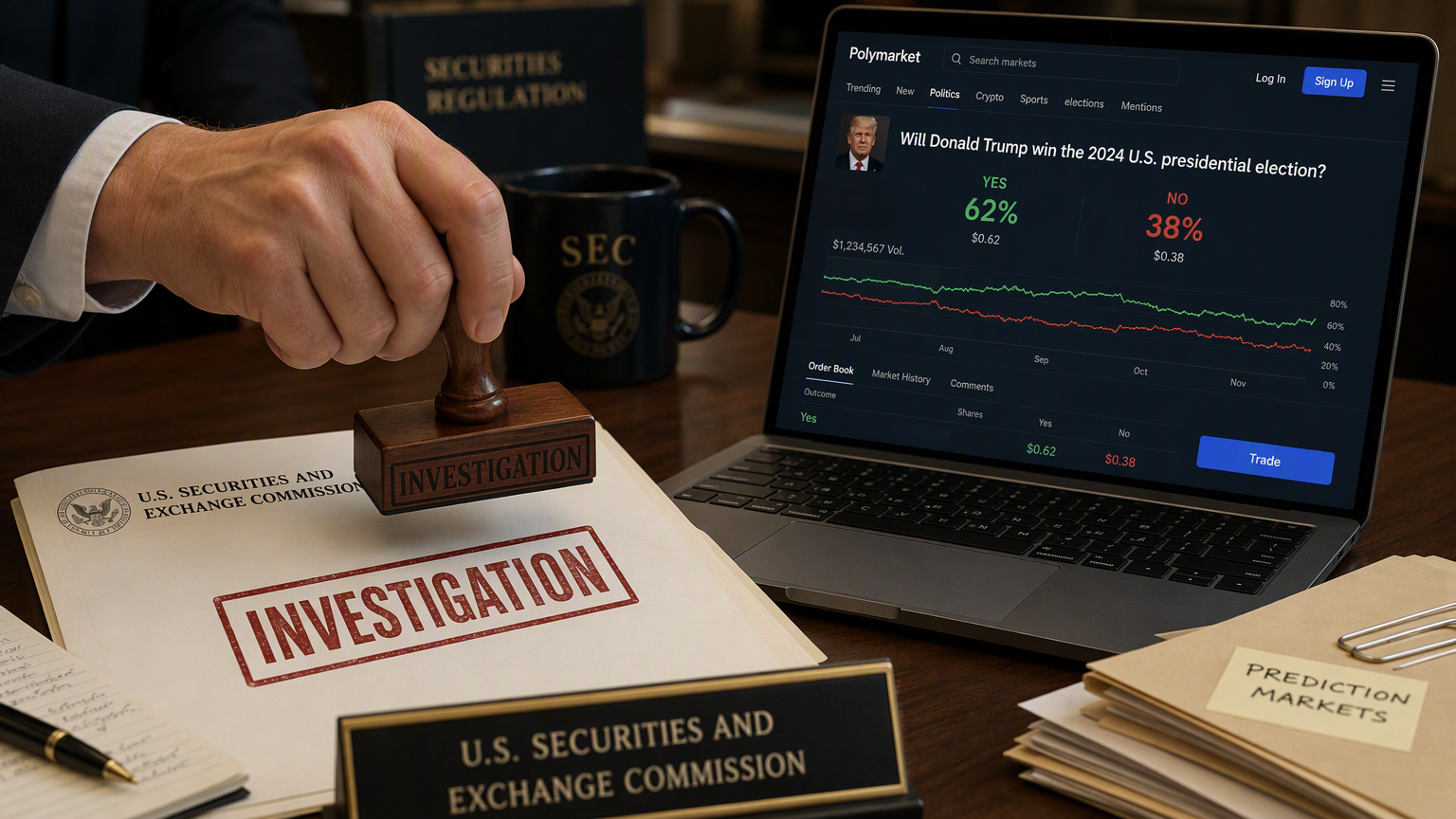
The lawsuit accuses Polymarket of running what amounts to an illegal gambling business – no license, no oversight, no nothing – while letting New Yorkers place real money bets on everything from elections to sports to, I don’t know, whatever meme-worthy event is trending that week. The state’s basically saying: you can call it a “prediction market” all you want, but if people are putting money down and getting money back based on outcomes they can’t control, that’s a bet. Full stop.
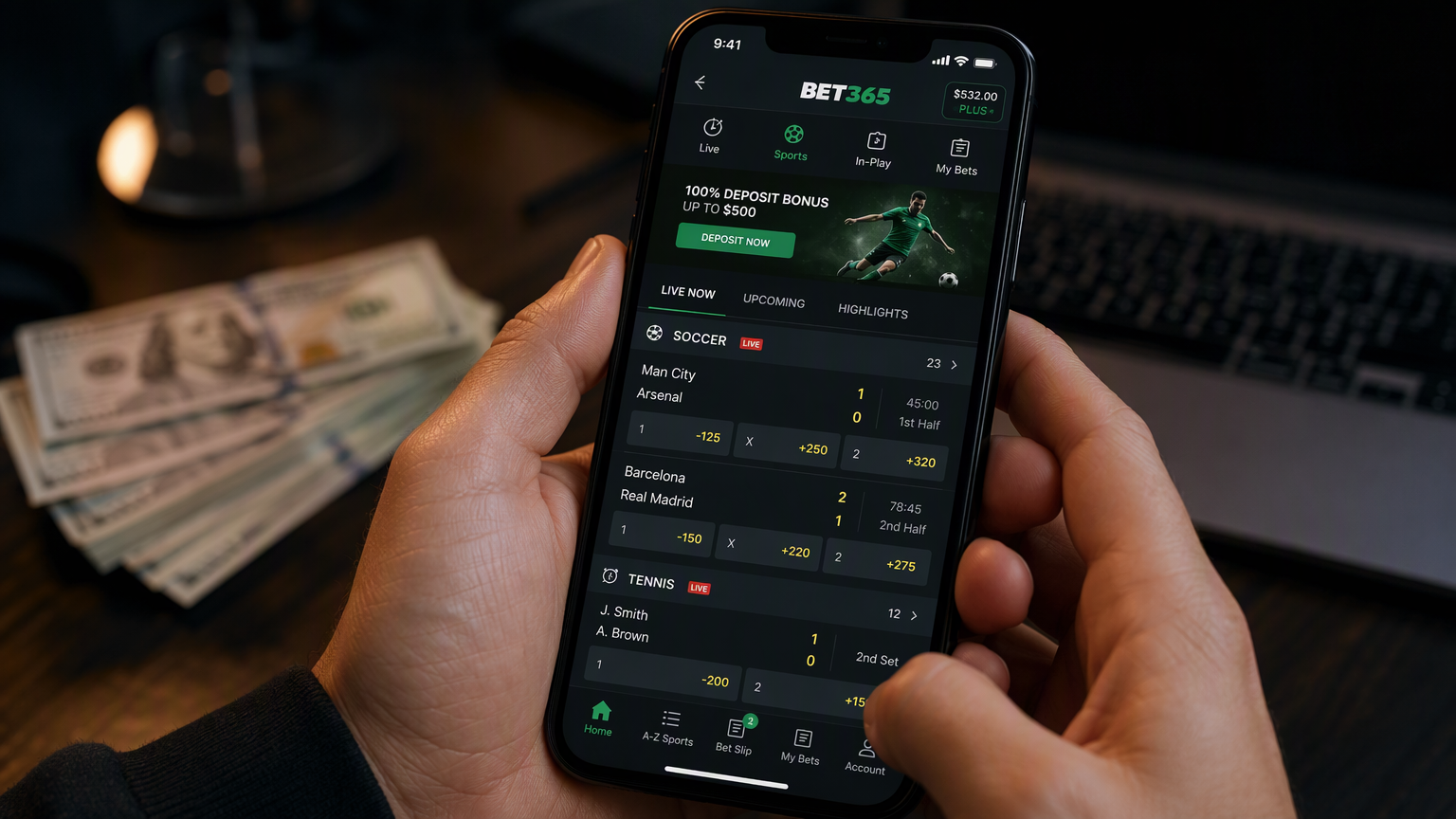
And look, Polymarket has spent a lot of energy trying to convince everyone it’s something totally different. Not gambling. A forecasting tool. A way to “price in” future events using market mechanics. Very smart-sounding stuff. But here’s the thing – when you strip away the crypto wrapper and the fancy terminology, people are still logging in, picking a side, and putting money on it. That’s… that’s just betting. I’m not sure why we needed a whole legal filing to point that out, but here we are.
The Crypto Angle Makes This Messier
What makes this particular case interesting (and honestly kind of a headache for regulators) is that Polymarket runs on blockchain infrastructure, settling bets through crypto rather than through a traditional sportsbook-style system. That’s let it operate in this weird gray zone for years, technically domiciled overseas, technically not accepting US customers post-2022 CFTC settlement, but somehow still very much used by Americans. New York’s lawsuit doesn’t seem to care much about the technical workaround. If residents can access it and bet real money, the state’s treating it like any other unlicensed operation.
Why Is New York Doing This Now?
Timing matters here. Polymarket blew up during the 2024 election cycle – like, genuinely became a mainstream thing people were checking daily, way more than your average crypto product ever does. Suddenly your uncle who’s never touched Ethereum was quoting Polymarket odds at Thanksgiving. That kind of visibility tends to get regulators’ attention fast, especially in a state that already has a pretty aggressive gambling enforcement apparatus (see: the endless DFS lawsuits from years back).
“If it looks like a duck, swims like a duck, and pays out like a duck when your prediction hits – it’s a duck. Or in this case, a sportsbook.”
Not gonna lie, I made that quote up in the spirit of the argument, but it basically captures what New York’s legal team is getting at. They’re not buying the rebrand. And honestly, a lot of people outside the courtroom aren’t buying it either. I’ve seen this pattern before with daily fantasy sports back in like 2015 – a company insists what they’re doing is “skill-based” or “informational,” regulators squint at it for a while, and then eventually the lawsuits start rolling in because the underlying mechanic (pay money, maybe get more money back based on an outcome) just doesn’t change no matter what label you slap on it.
The Bigger Fight Nobody’s Talking About Enough
Here’s what’s actually interesting about this case, beyond the “gotcha” of calling Polymarket a casino. It’s part of this much larger, messier fight happening right now over what prediction markets even are, legally speaking. The CFTC has jurisdiction over event contracts at the federal level. States like New York have their own gambling laws. And Polymarket, along with competitors like Kalshi, has basically been threading a needle between federal commodities regulation and state gambling law for years, hoping nobody looks too closely.
Well, someone looked closely. And the thing is, this isn’t just a New York problem for Polymarket – if the AG’s office wins or even gets a favorable settlement, you can bet (pun very intended) that other state attorneys general are going to start asking the same questions. This could snowball fast. New Jersey, Illinois, California… any state with an established gambling regulatory framework has an incentive to take a hard look at whether Polymarket users are just placing sports-bet-adjacent wagers without any of the consumer protections that licensed operators have to provide.
What About the Users?
This is the part that doesn’t get enough attention, honestly. Licensed gambling operations – however much people love to hate them – have to follow rules around responsible gambling messaging, self-exclusion programs, age verification, all that stuff. From what I can tell, Polymarket’s compliance in these areas is thin at best. If you’re a state regulator, that’s the actual public-interest hook here, not just “we want our cut of the tax revenue” (though sure, that’s probably part of it too).
What This Actually Means
I think this lawsuit is going to be a bellwether, whether or not it succeeds on every count. Prediction markets have had this incredible run over the past two years – genuinely useful in some ways, I’ll admit, since they can aggregate information faster than traditional polling in a lot of cases. But usefulness doesn’t exempt you from regulation. That’s kind of the whole point of having gambling law in the first place.
My honest prediction? Polymarket settles or restructures its US-facing access within the next year, probably tightening geofencing and maybe pursuing an actual license in states that’ll grant one. Kalshi’s already been down a version of this road with the CFTC and came out the other side mostly intact. Polymarket might follow a similar path, just messier because of the crypto angle and now this state-level fight layered on top.
But here’s what I keep coming back to: we spent years letting these platforms call themselves something other than what they are, mostly because the tech was novel enough that nobody wanted to be the regulator who “didn’t get it.” Well, New York just decided it gets it just fine. And I don’t think it’ll be the last state to say so.