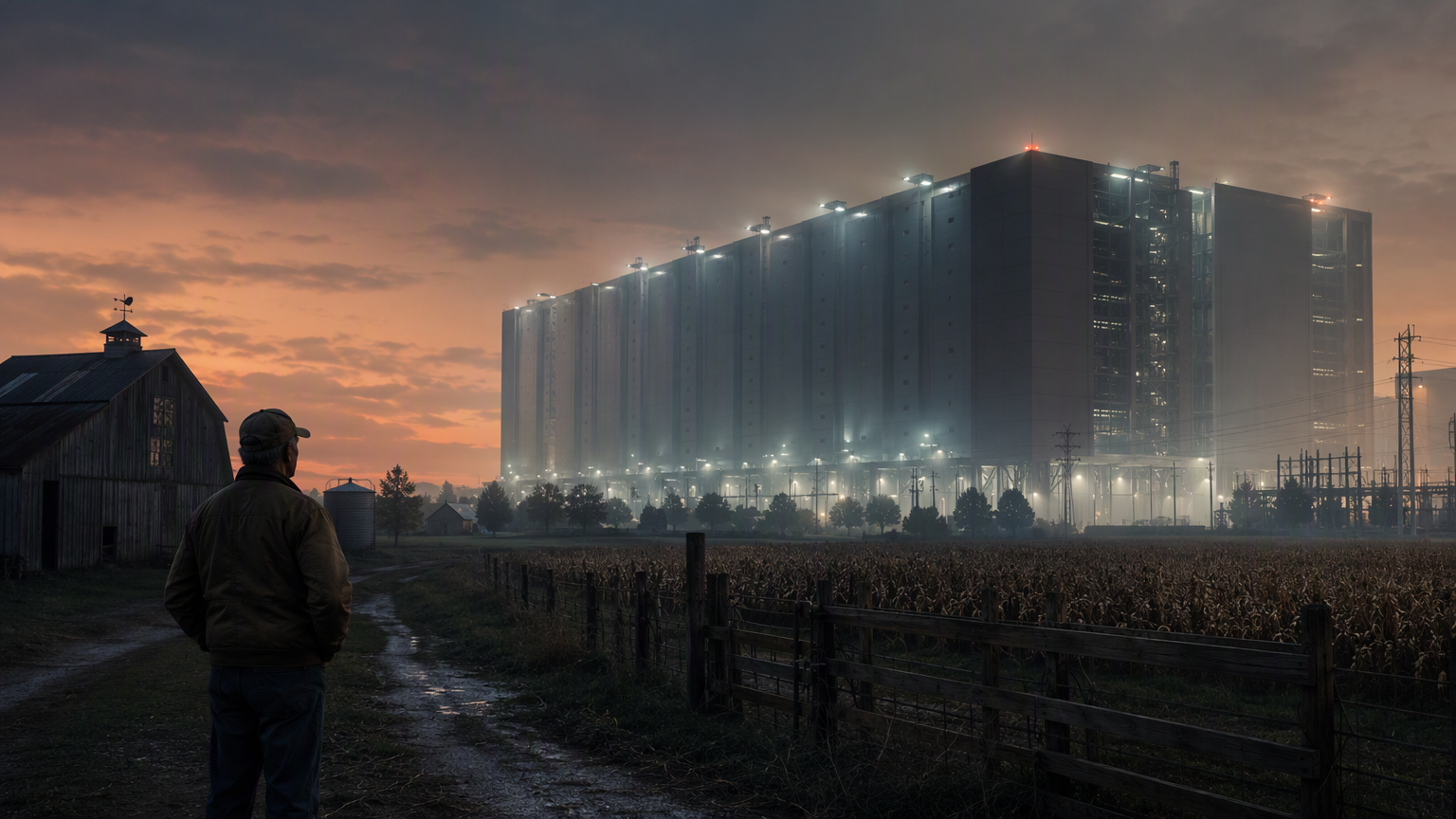
Drive through rural Virginia these days and you might pass a field that used to grow soybeans and now grows… servers. Rows and rows of humming metal boxes behind chain-link fences, sucking up electricity and water like there’s no tomorrow. And the people who live next to these things? They’re mad. Not “write a strongly worded letter to the editor” mad. We’re talking packed town halls, lawsuits, and neighbors who used to wave at each other now organizing against county commissioners.
This Isn’t NIMBYism, Or At Least Not Just That
Look, I get skeptical when I hear “rural community fights new development.” Half the time it’s just people who don’t want anything to change, period. But this data center backlash feels different. Really different. We’re not talking about a Dollar General going up on Main Street. We’re talking about industrial facilities the size of small airports that need as much water as a mid-sized city and enough electricity to power tens of thousands of homes.
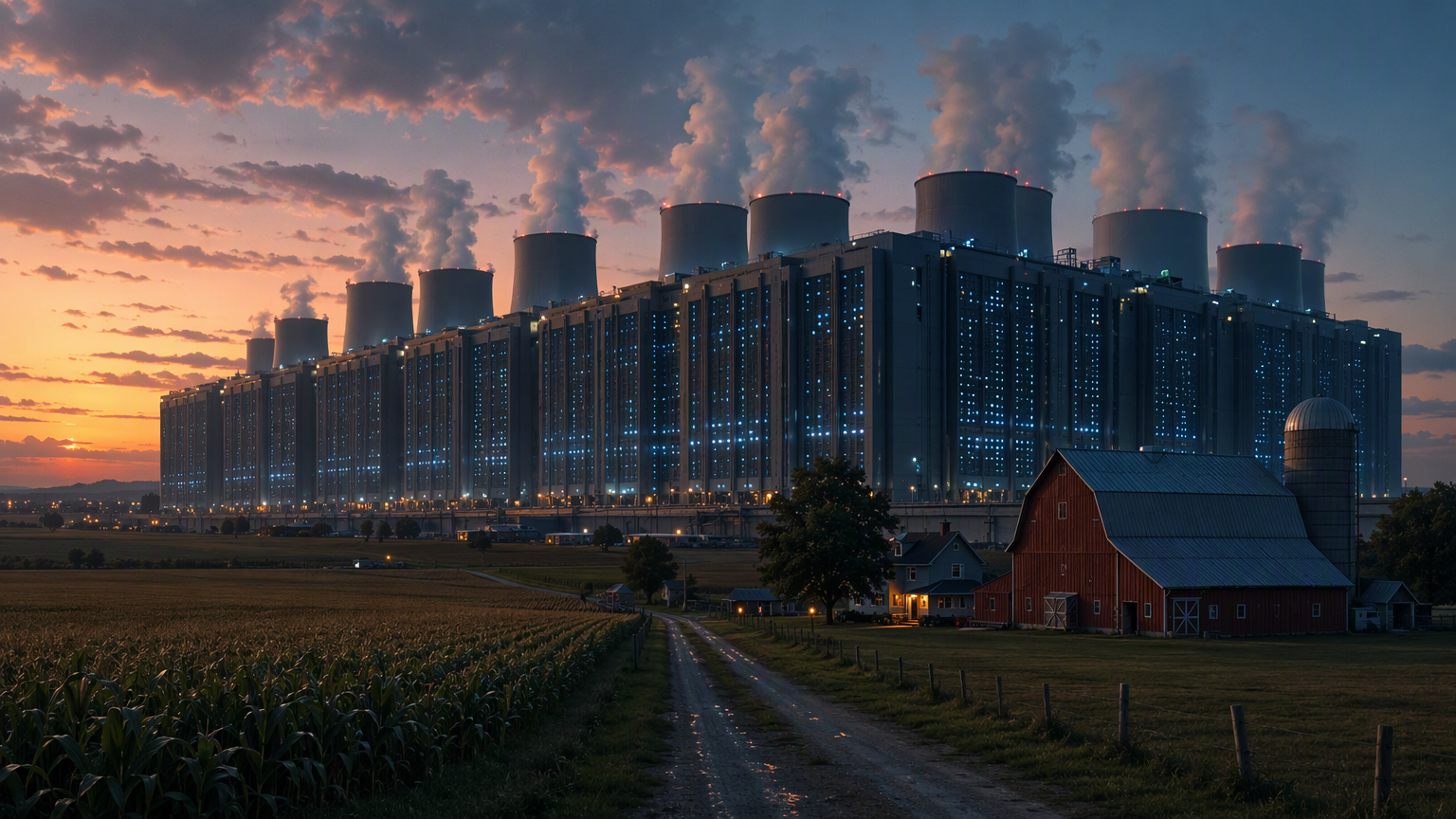
According to reporting that’s been circulating (Business Insider had a solid piece on this, and it’s been making rounds on Reddit too), folks in places like Virginia, Georgia, and parts of the Midwest are basically saying: enough. Their water bills are creeping up. Their electricity rates are climbing. And meanwhile these massive tech companies are getting tax breaks that would make your head spin, while paying almost nothing in local property taxes relative to the resources they’re chewing through.
The Water Thing Is Actually Wild
Here’s the part that gets me every time. Some of these facilities use millions of gallons of water a day for cooling. Millions. In areas that are already dealing with drought concerns or aging water infrastructure. I’ve seen this pattern before with factory farms moving into small towns, promising jobs and tax revenue, and then the well runs dry (literally, sometimes) and the town’s stuck holding the bag.
So Why Do Data Centers Keep Landing in Rural Areas Anyway?
Cheap land, mostly. And tax incentives that state governments hand out like candy because they’re desperate to look “pro-business” and land some AI-fueled economic win. Plus, rural areas often have less zoning pushback, at least initially, before people realize what’s actually being built next door.
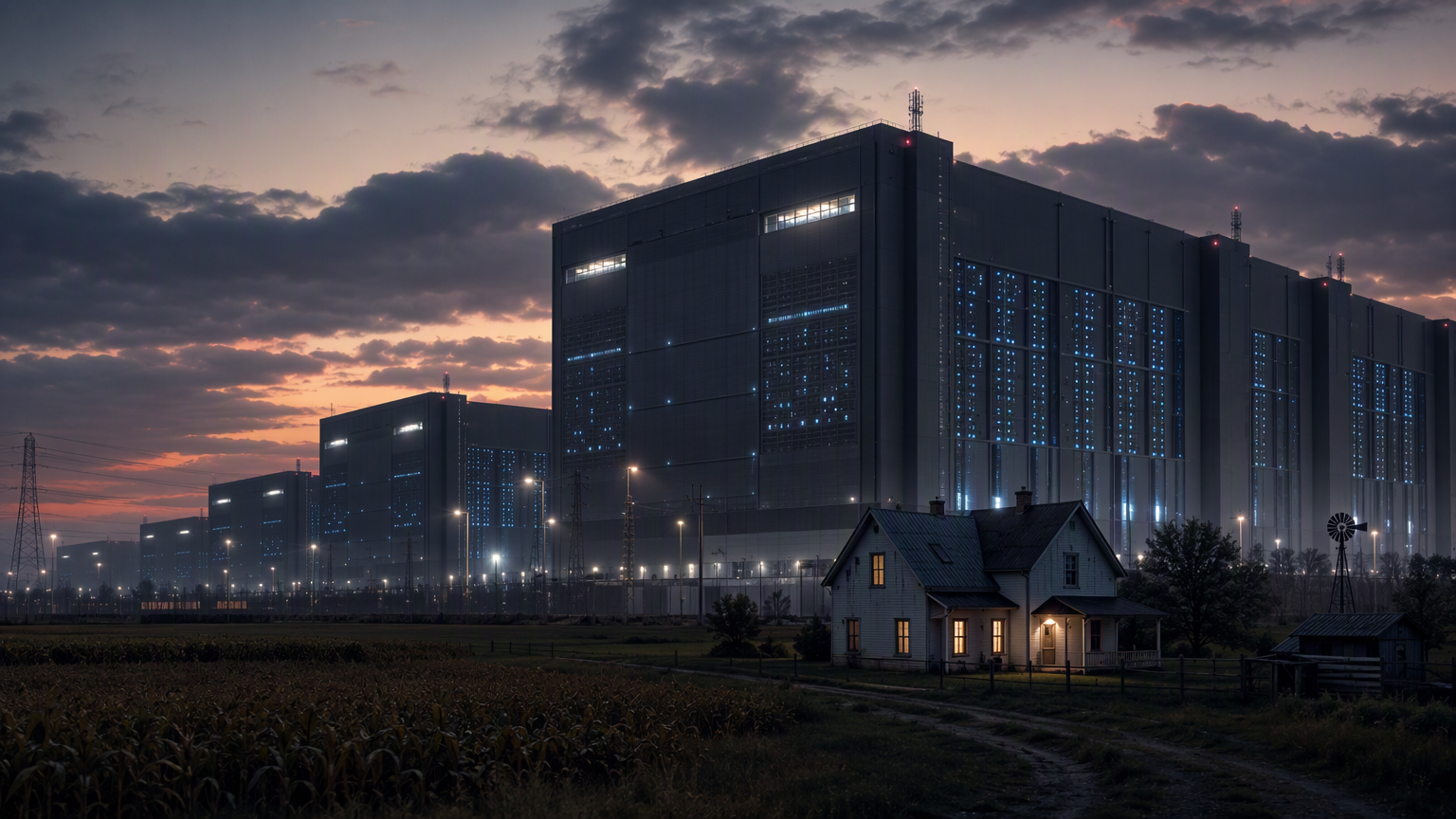
The thing is, these companies (and I won’t name names here, but you can probably guess the usual suspects in Big Tech) love to talk about “bringing jobs to the community.” And sure, there are construction jobs, temporarily. But once the facility’s built? These things run mostly on automation. We’re talking a handful of permanent employees for a facility that cost hundreds of millions to build. That’s not exactly the economic revival small towns were promised.
“We were told this would bring good jobs and lower our taxes. Instead our water bill doubled and there’s maybe fifteen people working there full time.” – a sentiment echoed by residents across multiple affected counties
The AI Boom Is Basically Fueling This Whole Mess
Not gonna lie, this is the part that connects everything for me. The explosion in AI development, all those chatbots and image generators everyone’s obsessed with, needs an insane amount of computing power to run. And that computing power needs somewhere to live. So tech giants are racing to build data centers as fast as humanly possible, and rural land is cheap, available, and (they assumed) politically quiet.
They assumed wrong, apparently.
What’s interesting here is how fast the opposition has organized. This isn’t slow-moving grassroots stuff that takes years to build momentum. People are showing up to zoning meetings with printouts of water usage data. They’re forming coalitions across county lines. Some communities have actually managed to block or delay projects, which, if you know anything about how hard it usually is to stop a well-funded corporate project, that’s saying something.
It’s Not Just About the Resources
There’s also a noise complaint angle that people don’t talk about enough. These facilities run massive cooling systems 24/7, and they hum. Constantly. Imagine living next to that for years. It’s not loud like a factory whistle, it’s this low, persistent drone that apparently drives people up the wall after a while. A few residents have compared it to living next to a highway that never goes quiet.
What This Actually Means
Honestly? I think we’re at the start of a much bigger fight, not the middle or end of one. The AI boom isn’t slowing down anytime soon, which means the demand for data centers isn’t going anywhere either. And that means more rural communities are going to face this exact same choice: take the tax revenue and deal with the resource strain, or fight it and risk losing out on development entirely.
My honest take? I think the tech companies got a little too comfortable assuming rural America would just quietly accept whatever got built in its backyard. That era’s over. People are paying attention now, they’re comparing notes with other towns going through the same thing, and they’ve got smartphones to document every water main break and every rate hike.
Is this going to slow down AI development? Probably not much, at least not nationally. But it might mean the next wave of data centers gets built with a lot more friction, a lot more legal battles, and honestly, a lot more scrutiny than the tech industry is used to. And maybe that’s exactly what needed to happen.