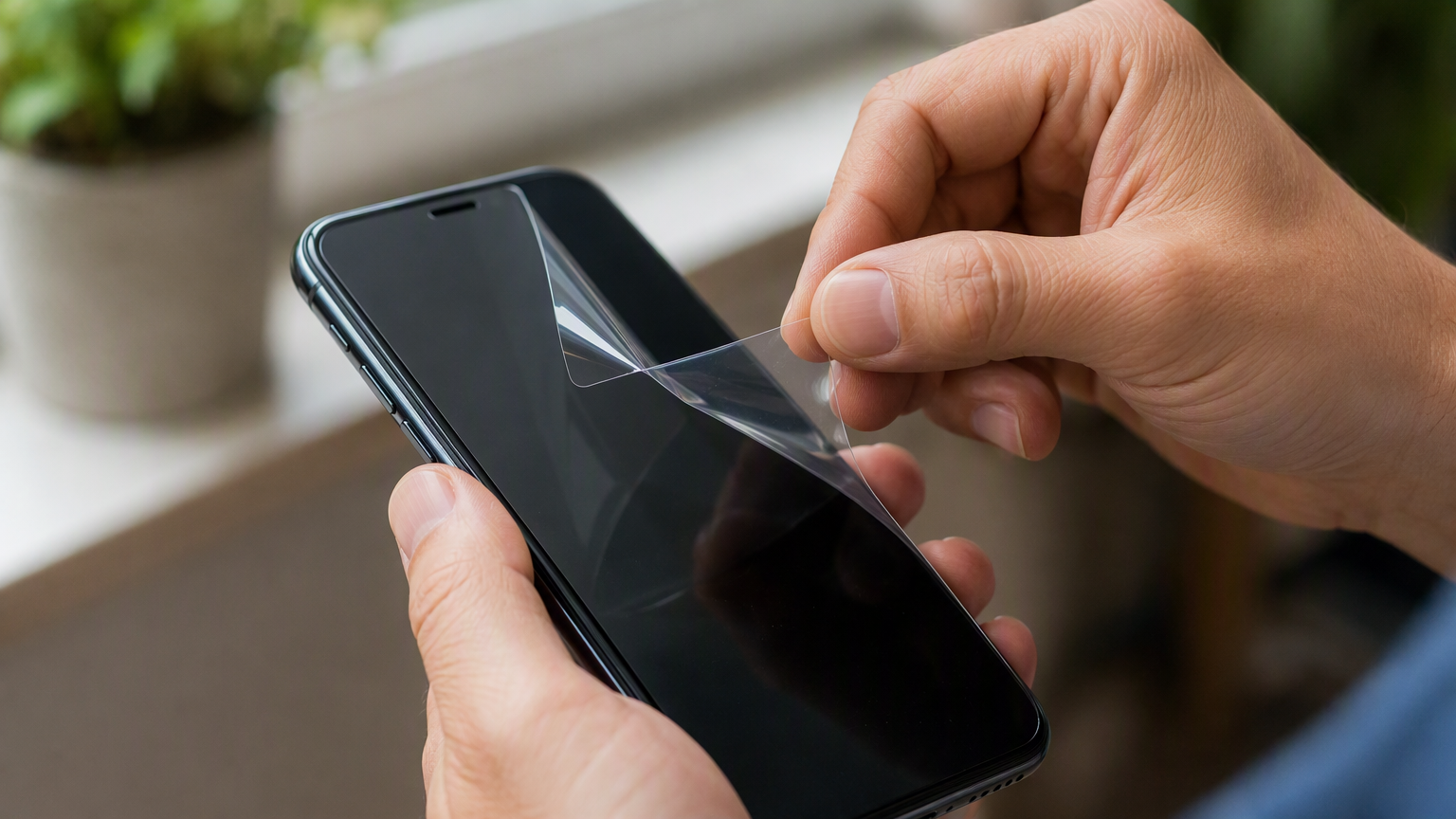
So Apple’s new hardware chief just told the world he thinks screen protectors are gross. Not “not for me” gross. Skin-crawl gross. And honestly? I can’t decide if that’s the most refreshing thing I’ve heard from an Apple exec in years or the most out-of-touch. Maybe both.
Wait, Who Said This?
The comment came out during a chat about how Apple thinks about design and materials on the iPhone, and this exec basically said seeing people slap a screen protector on a device the company spent years perfecting makes him physically uncomfortable. Skin crawl. His words, not mine. And look, I get where he’s coming from, sort of. Apple’s whole pitch for the last decade has been “we engineered this glass to be tough, trust us.” Ceramic Shield, they call it. They’ve done drop tests, they’ve done the marketing videos with the phone bouncing off concrete in slow motion. So from his chair, a screen protector probably does feel like an insult. Like someone put a tarp over a painting.
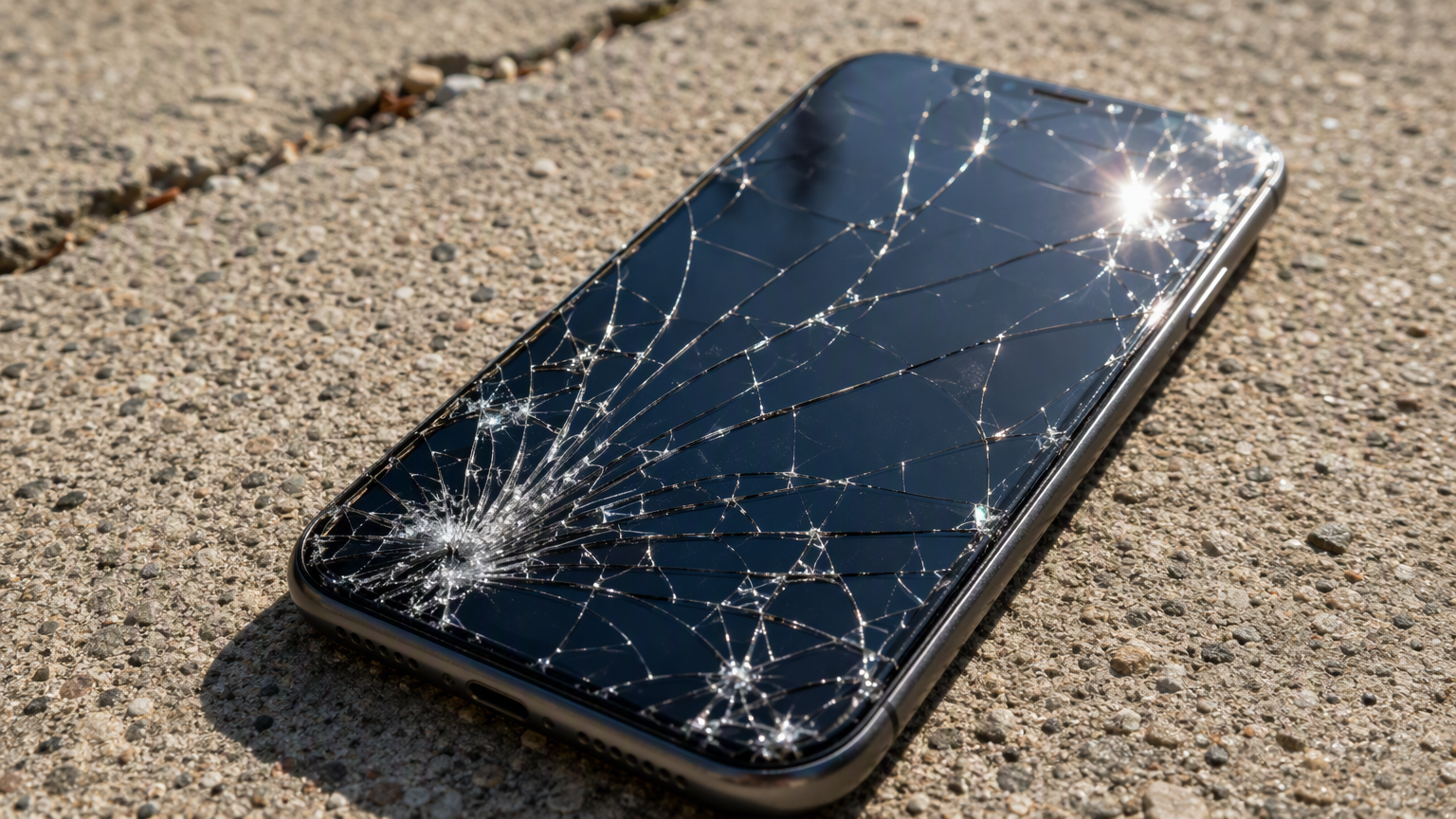
But here’s the thing nobody in that boardroom seems to want to say out loud: regular people don’t care about the engineering story. They care about not paying $329 to fix a cracked screen six months after buying the phone. That’s it. That’s the whole calculation.
The Disconnect Is Kind of Wild
I’ve been covering tech for a long time now, and this is a pattern I’ve seen play out over and over. Someone at the top of a company gets so close to the product, so obsessed with the craftsmanship of it, that they lose the plot on how normal humans actually use the thing. It’s not malicious. It’s just… distance. When you’re the guy who oversees the design of the actual glass, of course a screen protector feels like a crime. You know exactly how much engineering went into that surface. Most of us don’t think about it that hard. We think about whether we can drop the phone off the couch without freaking out.
Does Ceramic Shield Actually Hold Up?
Not gonna lie, Ceramic Shield is genuinely better than what came before it. Apple’s not lying about that part. It resists scratches better than a lot of older iPhone glass, and drop performance is improved too. But “improved” and “invincible” are two very different words, and Apple has occasionally blurred that line in its marketing in ways that, if I’m being honest, set people up to be disappointed.
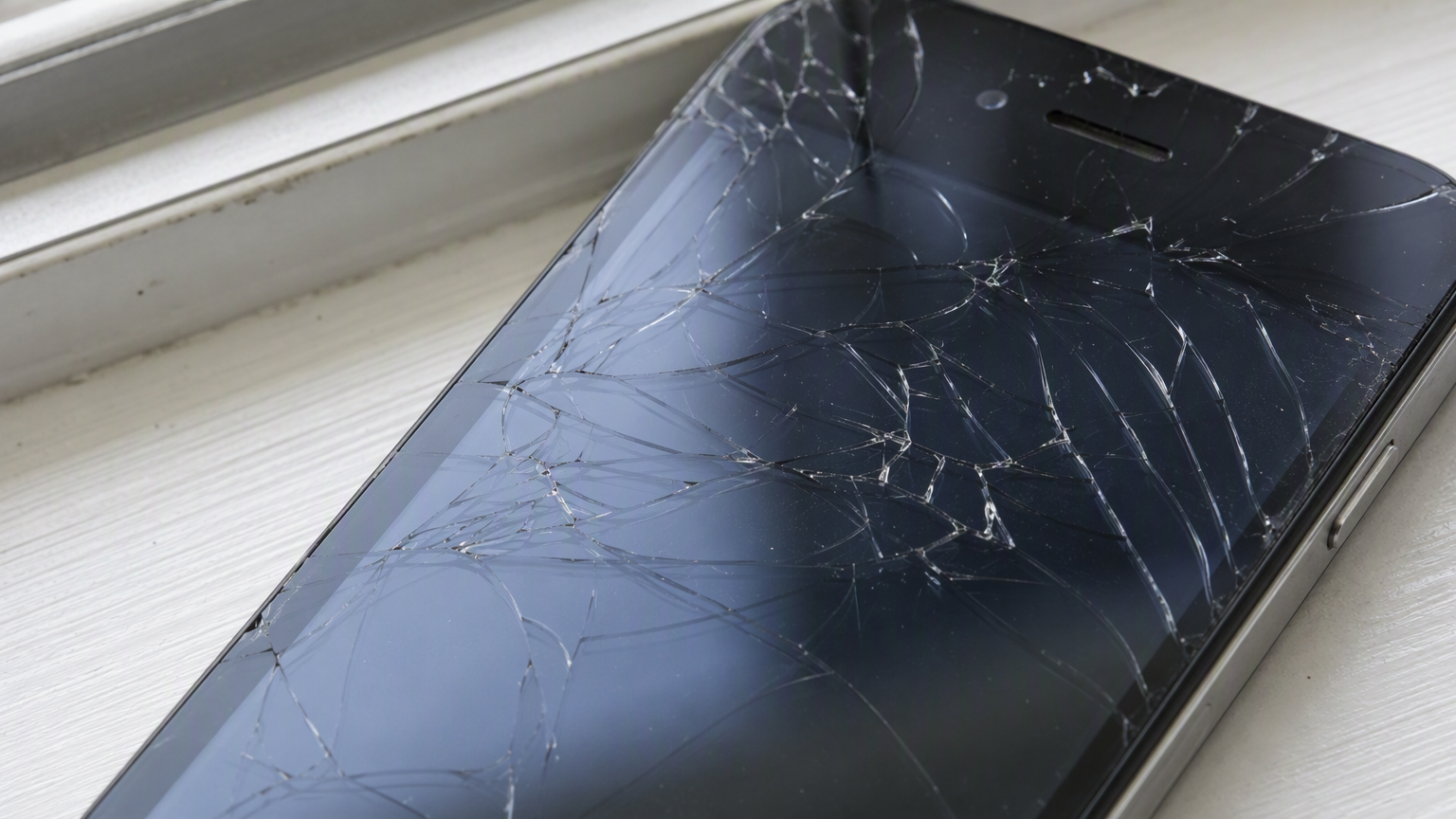
“I understand the engineering pride, but until Apple starts covering accidental screen damage under standard warranty, people are going to keep buying protectors. That’s just math.” – a comment from the original Reddit thread that, frankly, nailed it
And that quote basically sums up the whole disagreement. It’s not that customers don’t trust Apple’s materials science. It’s that they don’t trust their own hands. People drop phones. People sit on phones. People’s kids throw phones across the room for reasons nobody will ever understand. A screen protector isn’t a vote of no confidence in Apple’s engineering, it’s a hedge against being a clumsy human being in an imperfect world.
The Case Thing Makes It Even Weirder
What’s interesting here is that Apple sells cases. Directly. On their own website. With their own logo on them. So the “we built this to be beautiful and raw and unadorned” argument kind of falls apart the second you notice Apple itself doesn’t expect you to use the phone naked, so to speak. If cases are fine, and Apple clearly thinks they are since they make and sell them, why is a screen protector suddenly the one accessory that offends the aesthetic? The back of the phone gets a leather-ish silicone wrap and that’s totally fine, but a thin sheet of film on the front makes his skin crawl? I don’t buy the logic, not fully.
Maybe it’s really about the screen specifically, the part you touch and look at constantly, the part that’s supposed to feel seamless under your thumb. I can respect that as a design philosophy. I even kind of feel it myself when I use a friend’s phone and the protector has a weird texture or a bubble in the corner that catches your nail every single time you swipe. That’s annoying, no argument there. But annoying isn’t the same as skin-crawl-inducing. That’s a strong reaction for a piece of plastic film.
Repair Costs Are the Real Villain Here
Let’s talk money for a second because that’s really what’s driving this whole screen protector economy. AppleCare+ helps, sure, but plenty of people skip it, or their plan lapses, or they just forget to renew it. Out-of-warranty screen repairs on a Pro model can run past $300 depending on the year and model. That’s not pocket change for most households. A screen protector costs maybe fifteen bucks and takes the sting out of the worst-case scenario. From a pure risk management standpoint, it’s a no-brainer, even if it does put a thin haze over that gorgeous OLED panel.
What This Actually Means
I think this whole moment says less about screen protectors and more about how Apple’s leadership sometimes talks like the product is precious in a way that regular buyers just don’t experience day to day. It’s a phone. People throw it in bags with keys and coins. They hand it to toddlers to watch cartoons. They drop it face down on tile floors at 11pm while half asleep scrolling in bed (you know who you are). Treating the screen protector debate like a matter of taste ignores the fact that for a huge chunk of iPhone owners, it’s a matter of budget.
Will this comment change anything? Probably not much. Apple’s not about to redesign Ceramic Shield because one exec is grossed out by film protectors, and screen protector companies aren’t going anywhere either, they’ll keep selling millions of them regardless of what anyone in Cupertino thinks about the aesthetics. But it’s a nice little window into the gap between how Apple sees its own hardware and how the rest of us actually live with it. One side sees years of material science. The other side sees a fifteen dollar insurance policy. Both sides are kind of right, honestly, which is probably why this argument isn’t going away anytime soon.