One season. That’s all “Spider-Noir” got before Prime Video pulled the plug, and honestly? I saw this coming from a mile away, but that doesn’t make it sting any less for the people who actually gave this weird, moody little show a chance.
So What Happened Here
Let’s get the basics out of the way first. “Spider-Noir” – the black-and-white, 1930s-set take on the Spider-Man mythos that Sony’s been trying to make happen for what feels like forever – got canceled after its first season on Prime Video. Not exactly shocking if you’d been paying attention to the buzz (or lack of it) around this thing. But it’s still a gut punch for a project that clearly had people who believed in it.
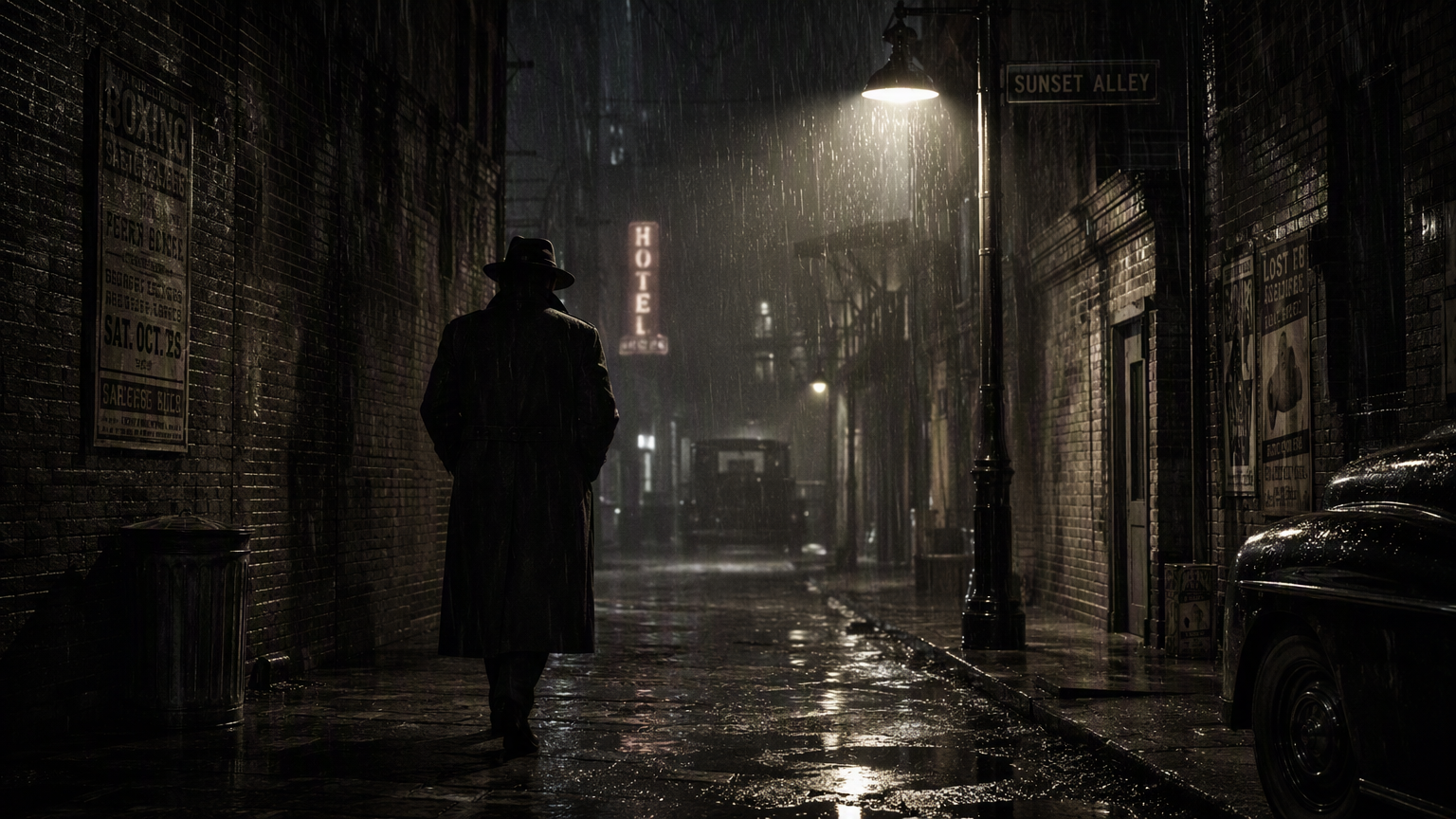
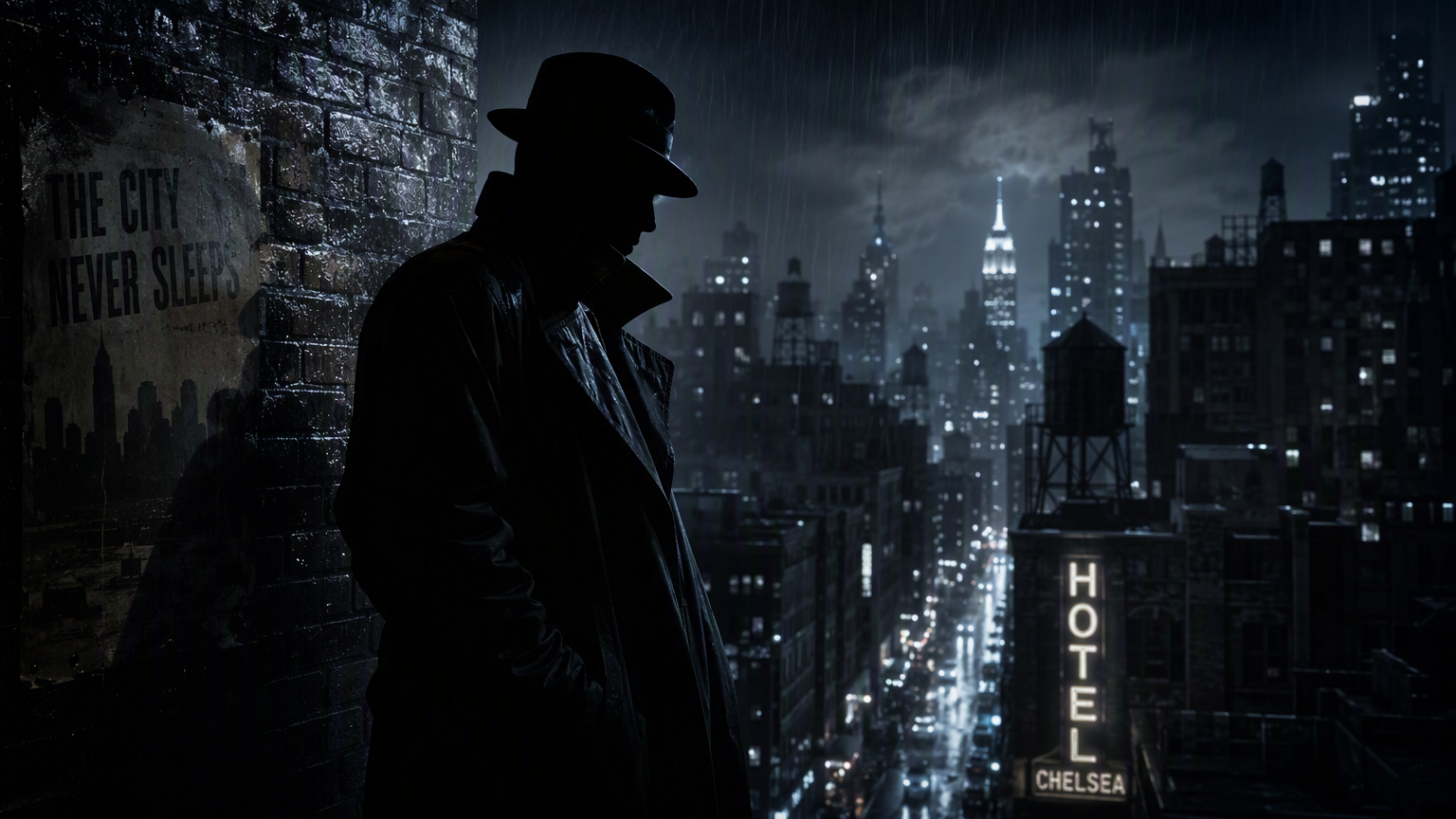
Here’s the thing – “Spider-Noir” was always a tough sell. It’s not your typical web-slinging, quippy Spider-Man. It’s dark, it’s stylized, it leans hard into that pulpy detective aesthetic. Which, look, I respect the ambition. Not every superhero show needs to be bright colors and one-liners. But ambition doesn’t always translate to viewership, and viewership is what keeps a show alive, no matter how artistically interesting it is.
The Numbers Probably Didn’t Lie
We don’t have official viewership figures thrown around publicly (streamers love to keep that stuff close to the chest), but the writing was kind of on the wall. When a show doesn’t generate the social media chatter, the memes, the “did you watch this yet” texts between friends… that’s usually a bad sign. And from what I can tell, “Spider-Noir” just never broke through in that way. It existed. People knew it existed. But it didn’t become a thing.
Why Sony’s Not Actually Worried
Here’s where it gets interesting though, and this is the part a lot of headlines are burying. Sony isn’t licking its wounds and retreating into a corner. Nope. According to reports, Prime Video is already eyeing a greenlight for another series set in Sony’s Spider-Man universe – the same sprawling web of characters that’s given us everything from “Venom” to “Kraven the Hunter” to, yes, this now-canceled noir experiment.
“This was never about one show succeeding or failing. It’s about building out a universe, and universes need a few misses to figure out what actually works.”
And that quote, whether it came from an exec or just reflects the general vibe around these decisions, kind of nails it. Sony’s playing a long game here. They’ve been trying to build their own cinematic (and now streaming) universe around Spider-Man characters for years, mostly without Spider-Man himself in the picture because, well, rights issues and Marvel Studios complications that we don’t need to get into right now. It’s messy. It’s always been messy.
The Bigger Picture Nobody’s Talking About
What’s interesting here isn’t really the cancellation itself. Shows get canceled all the time. Some deserve more seasons, some really don’t, and I’m not fully convinced “Spider-Noir” needed a season two to prove its point. What’s actually interesting is what this says about the strategy behind these Sony-Marvel spinoffs in general.
Think about it this way. Sony’s basically throwing darts at a board, trying to find which corner of this universe resonates with audiences. “Venom” worked, sort of, in a so-bad-it’s-good way that audiences genuinely embraced (Tom Hardy talking to himself for two movies became a whole cultural moment, weirdly). Other projects have landed with a thud. “Madame Web” anyone? Yeah. Nobody wants to talk about that one.
So when I hear that Prime Video is already looking at another series in this universe before “Spider-Noir” has even finished airing its farewell press cycle, I don’t read that as desperation. I read it as a company that’s learned to treat these shows almost like pilot experiments. Try something, see if it sticks, move fast, don’t get too attached. It’s kind of cold when you think about it that way, but also… it’s probably the smart move in this streaming landscape where everyone’s fighting for the same eyeballs.
What Made Noir Different (And Maybe Its Downfall)
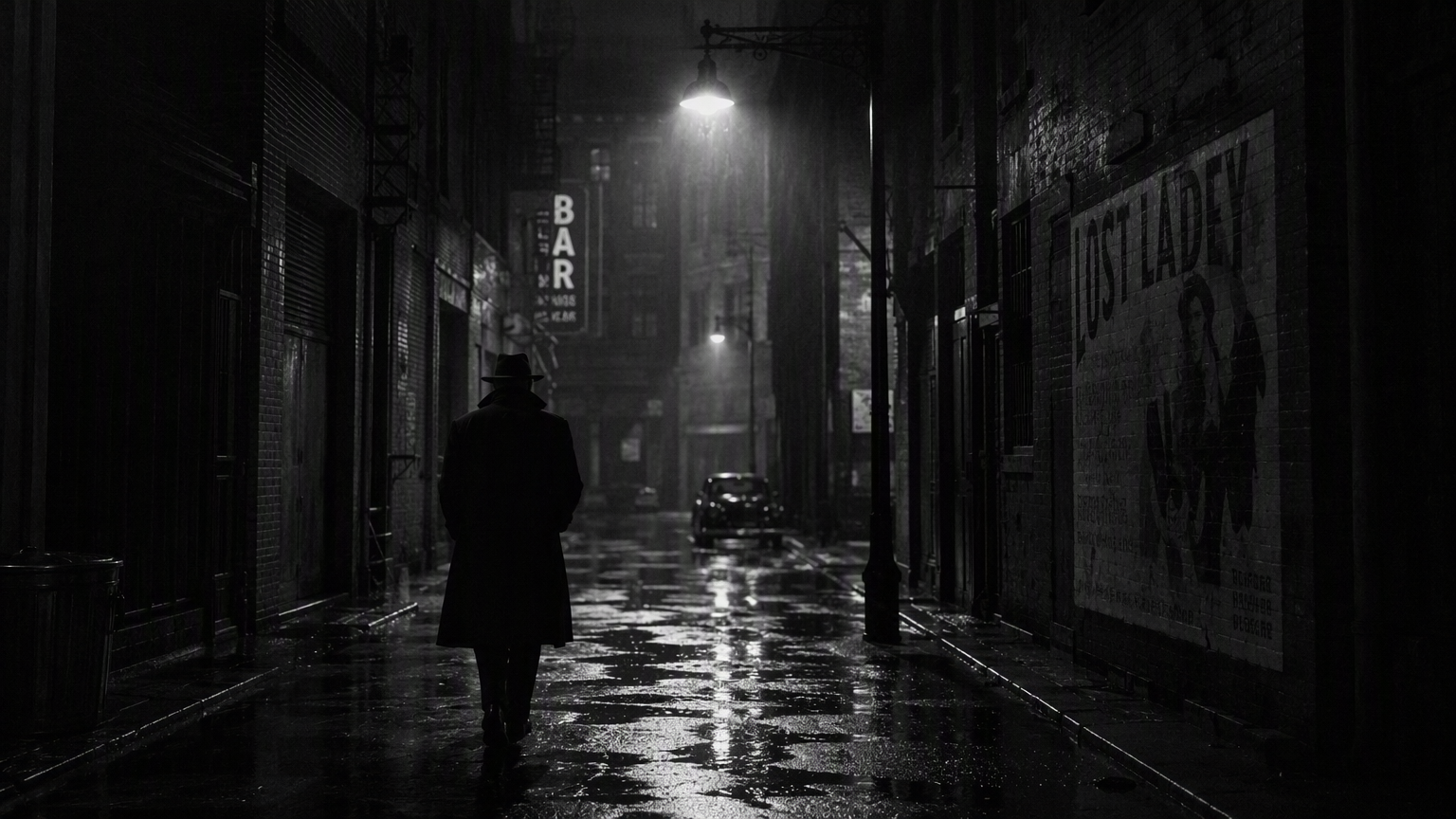
I have to admit, I actually kind of liked what “Spider-Noir” was trying to do. The visual style alone set it apart – genuinely striking stuff, not just a black-and-white filter slapped over a normal show. It had atmosphere. It had mood. But mood doesn’t always equal mass appeal, and that’s probably the tension that killed it. Prestige aesthetics are great for critics and a certain type of viewer, but streamers need volume. They need the casual viewer who’s scrolling at 9pm and picks something because it looks fun, not because it looks artistically bold.
What This Actually Means
Look, I don’t think this is the end of Sony’s Spider-Man universe ambitions on streaming. Not even close. If anything, this cancellation and the immediate pivot toward developing something new tells you everything about how these companies think now. Shows aren’t really “shows” anymore in the traditional sense – they’re test balloons. You launch, you measure, you adjust. “Spider-Noir” was a swing. It didn’t connect. So they’re already loading up the next pitch.
Will whatever comes next actually be “bigger,” like the buzz suggests? Hard to say without more details, and right now we’re mostly working off industry chatter and educated guesses. But if I had to bet, I’d guess Sony leans into something with broader mainstream appeal next time around – less noir, less artsy, more crowd-pleaser. Because at this point, they can’t afford another swing and miss. Not if they want Prime Video to keep believing in this universe at all.
Either way, “Spider-Noir” joins a growing pile of ambitious-but-short-lived superhero projects that tried something different and got punished for it. Maybe that’s unfair. Maybe it’s just how the business works now. Probably both.