
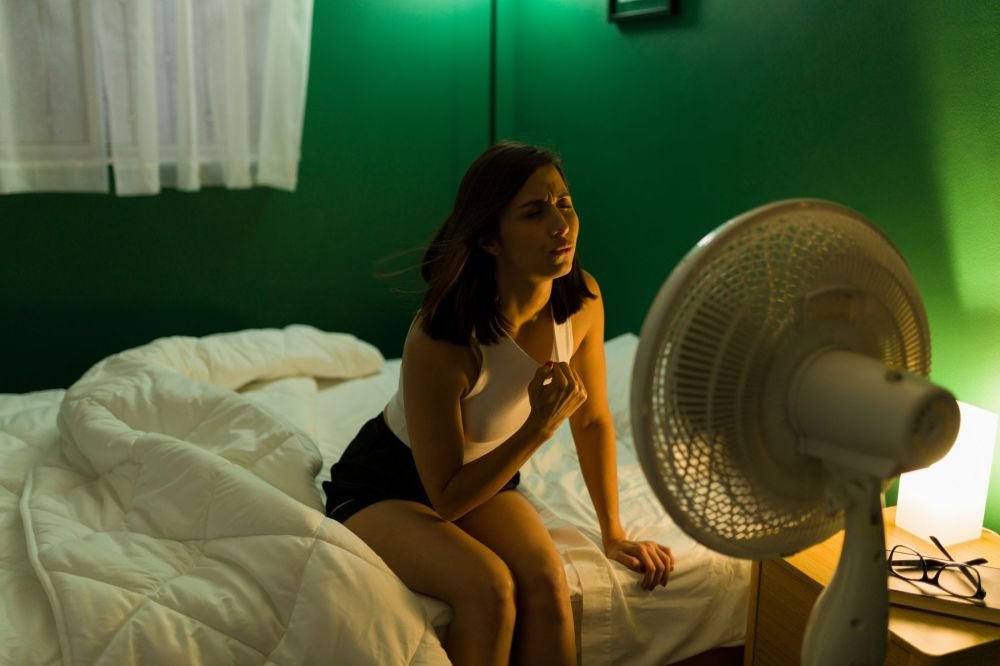
My apartment hit 84 degrees at 11pm last Tuesday. Not the living room, not the kitchen where the oven had been running earlier – the bedroom, at 11pm, with the window open and a fan blasting directly at my face. I checked the thermostat three times because I genuinely didn’t believe it. This is apparently just summer now, and if you’re a renter without central air, you already know exactly what I’m talking about.
The Heat Problem Nobody’s Building Codes Are Fixing
Here’s the thing – a lot of us live in buildings that were basically designed for a climate that doesn’t exist anymore. Old windows, brick that soaks up heat all day and releases it all night, insulation that’s more theoretical than functional. And unlike homeowners, renters can’t exactly rip out a wall to add better insulation or drop $6,000 on central air. You’re stuck working with what you’ve got, which for a lot of people is a window unit (if you’re lucky) or nothing at all.
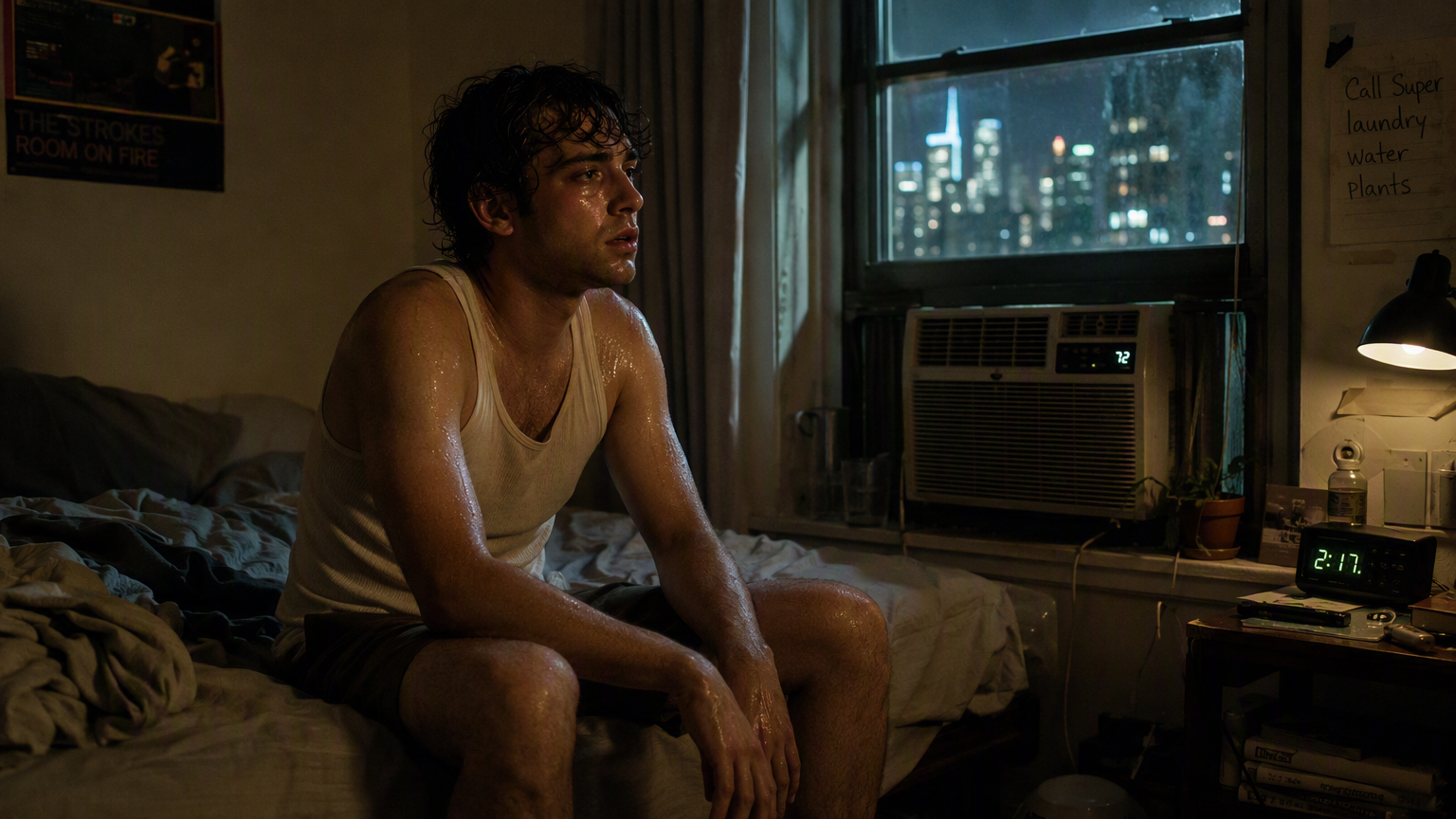
So when this whole “sleepmaxxing” thing started blowing up online, I’ll admit I rolled my eyes a little. Another wellness trend, another set of Instagram-friendly rules for something humans have been doing successfully since, you know, forever. But actually digging into it? There’s some real substance here, especially the parts about your sleep environment. Not the $400 cooling mattress pads. The free stuff.
Wait, What Even Is Sleepmaxxing?
Basically it’s the idea that you can optimize your way to better sleep by tweaking your habits and your environment – temperature, light, sound, timing, all of it. Some of the trend has gotten a little silly (mouth taping, anyone?), but the core concept isn’t wrong. Sleep scientists have known for decades that a cooler room helps you fall asleep faster and stay asleep longer. The sleepmaxxing crowd just repackaged it with better marketing.
So How Do You Actually Cool Down Without AC?
This is where it gets useful. You don’t need a Dyson fan or a $200 cooling comforter to make a real difference. A few things that actually work, based on what sleep researchers keep saying:
- Close your blinds during the day. Sounds obvious, but most people don’t do it, and a sun-baked room takes hours to cool back down once night hits.
- Freeze a bowl of ice water and put it in front of a fan. It’s basically a DIY air conditioner and it genuinely works better than you’d expect.
- Cotton or linen sheets, not that polyester blend that traps heat like a sauna suit.
- Cross-ventilation – open windows on opposite sides of your place if you can, even just for twenty minutes before bed.
- Cooler shower right before sleep, not scalding hot. Your body temp actually drops after, which signals to your brain that it’s time to wind down.
None of that costs more than maybe five bucks for the ice trays. And honestly? The bowl-of-ice-water trick sounds like a random internet myth, but I’ve tried it during a heat wave two summers ago and it dropped the room a noticeable few degrees within an hour. Not magic, just basic evaporative cooling, but it works.
“Temperature is one of the most underrated factors in sleep quality – people obsess over mattresses and forget that a room that’s too hot will wreck even the best mattress in the world.”
The Part Everyone Skips: Timing Matters More Than You Think
What’s interesting here is that a lot of people focus entirely on the room and completely ignore their own body clock. Your core body temperature naturally drops in the evening as part of falling asleep, and if your room is fighting against that drop, you’re basically sleeping against your own biology all night long. This is why doom-scrolling in a hot room feels so much worse than doom-scrolling in a cool one – your body’s trying to cool down and your environment (and your phone screen, but that’s another article) is working against it.
I’ve noticed this pattern in myself more times than I’d like to admit. The nights I actually shower, close the blinds earlier in the day, and skip the phone right before bed are noticeably better, heat wave or not. It’s not rocket science, but it’s also not nothing.
Fans Aren’t Just White Noise, They’re Doing Real Work
People treat fans like background noise machines, but positioning actually matters a ton. A fan facing directly at your body while blowing hot room air around does very little. A fan facing an open window, pulling cooler outside air in (assuming it’s actually cooler outside, which, fair, isn’t always the case in July), does a lot more. Same goes for putting a fan in a doorway to create a pull-through effect between rooms. It’s basic physics, not sleepmaxxing wizardry, but somehow this stuff never makes it into the group chat tips.
And can we talk about mattress toppers for a second? Not the expensive gel-infused cooling ones – I mean just… not sleeping directly on a thick memory foam mattress that holds heat like a thermos. If you’ve got one of those and no AC, that combination is genuinely rough. A thin cotton mattress protector or even just swapping to a lighter comforter can make a bigger difference than people expect.
What This Actually Means
Look, none of this replaces actual air conditioning. If you’ve got a window unit sitting in storage somewhere, use it, even just for the worst nights. But the reality is a lot of us are going to keep dealing with brutal summers in buildings that weren’t built for this, and pretending otherwise doesn’t help anyone sleep better. The good news, if there is one, is that the free and cheap fixes actually do something. Ice water in front of a fan isn’t glamorous. Closing your blinds at 2pm isn’t going to trend on TikTok forever. But they work, and that matters more than whatever the next sleepmaxxing gadget promises to sell you.
Summers aren’t getting milder anytime soon, from what I can tell. So maybe the real skill here isn’t finding the perfect $300 cooling setup – it’s getting good at the boring, cheap stuff that actually moves the needle. Not exciting, but neither is being awake at 2am wondering why your bedroom feels like a pizza oven.