

George Clooney doesn’t do a whole lot of Hollywood business commentary. So when he opens his mouth about a merger, people listen. And this week he came out swinging for Mark Ruffalo, defending his Avengers co-star’s right to run his mouth about the Paramount-Warner Bros. deal without catching a bunch of grief for it.
Wait, What Did Ruffalo Even Say?
Ruffalo’s been pretty vocal lately about the Paramount-Warner Bros. merger talk, basically saying the whole thing smells a little funky and questioning who actually benefits when two massive studios start eyeing each other up. Not exactly wild stuff for an actor to say, but in an industry where everyone’s terrified of biting the hand that might feed them someday, it raised some eyebrows.
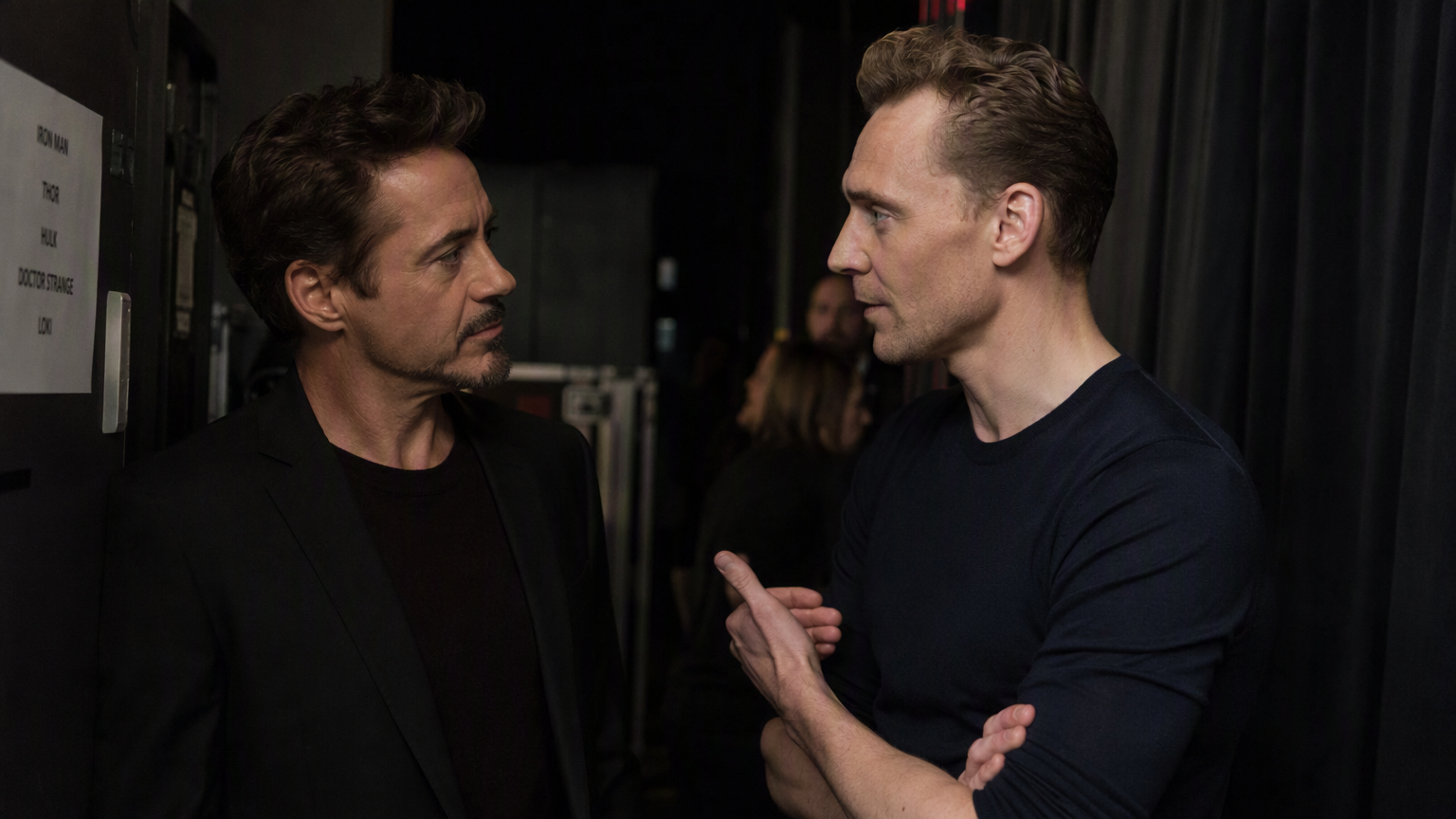
And that’s where Clooney stepped in. He basically said, look, Ruffalo’s allowed to speak freely, and honestly? Good for him. Not every actor with a platform uses it to say something that might annoy a studio exec. Most stick to the safe stuff – press junket answers, “I loved working with everyone,” that kind of thing. Ruffalo apparently doesn’t care about playing it safe here.
The “Doesn’t Financially Make Sense” Line
Here’s the part that actually got my attention, not gonna lie. Clooney didn’t just defend Ruffalo’s right to talk. He went a step further and said he personally doesn’t see how the merger “financially ends up making sense.” That’s a pretty pointed thing to say out loud when you’re one of the most bankable stars in the business and you’ve clearly been around long enough to know how these deals usually get pitched to the public versus what’s actually happening behind closed doors.
Does the Math Actually Add Up?
I mean, this is the real question, isn’t it? Studio mergers get sold to us as “synergy” and “content libraries combining” and all that corporate speak, but what they usually mean in practice is layoffs, shows getting shelved, and streaming libraries getting shuffled around until nobody can find anything anymore. We’ve seen this movie before. Literally.

“I don’t see how it financially ends up making sense” – George Clooney
That’s not a throwaway line from someone who doesn’t know the industry. Clooney’s produced movies, directed them, run a production company. He’s not some outsider guessing. When a guy like that says the numbers look shaky, it’s worth pausing on that for a second instead of just scrolling past.
Why This Matters More Than Just Celebrity Gossip
The thing is, this isn’t really about two actors chatting. It’s about what happens when massive entertainment companies combine and what that means for actual working people in the industry – writers, editors, crew members, mid-level executives who don’t have Clooney money to fall back on if their division gets “restructured.”
What’s interesting here is how rare it is for A-listers to actually weigh in on the business side of Hollywood in real time, while a deal is still being hashed out. Usually we get the sanitized version months later, in some memoir or a podcast appearance where everyone’s being diplomatic. Clooney and Ruffalo both skipped that step. Whether that’s brave or just them not caring anymore about ruffling feathers, I genuinely don’t know. Probably a bit of both.
What This Actually Means
Look, mergers like this get announced with a ton of confident language about growth and value creation, and then two years later everyone’s writing articles about what went wrong. Time Warner and AOL. Disney and Fox layoffs. The list goes on. So when someone like Clooney – who has zero reason to stick his neck out on this – says the math doesn’t add up, I’d pay attention.
Maybe the deal goes through anyway. Maybe it doesn’t. But it’s kind of refreshing, honestly, to hear actors talk about this stuff like actual stakeholders in an industry instead of just smiling for cameras and staying quiet. We’ll see if anyone at Paramount or Warner Bros. bothers to respond, or if they just let it blow over the way these things usually do.