
Sixteen satellites went up. Two are already on their way back down. And if you’re keeping score at home, that’s not a great ratio for a project that’s supposed to be Russia’s answer to Starlink.
Okay, So What Actually Happened
Russia launched a batch of 16 satellites meant to form the backbone of its own broadband constellation – basically a domestic Starlink competitor. The target orbit was 870km. That’s where these things needed to sit to actually work as intended. Instead, from what’s being reported, many of them didn’t even make it halfway there. Half. Not even close, not “a little short,” half.
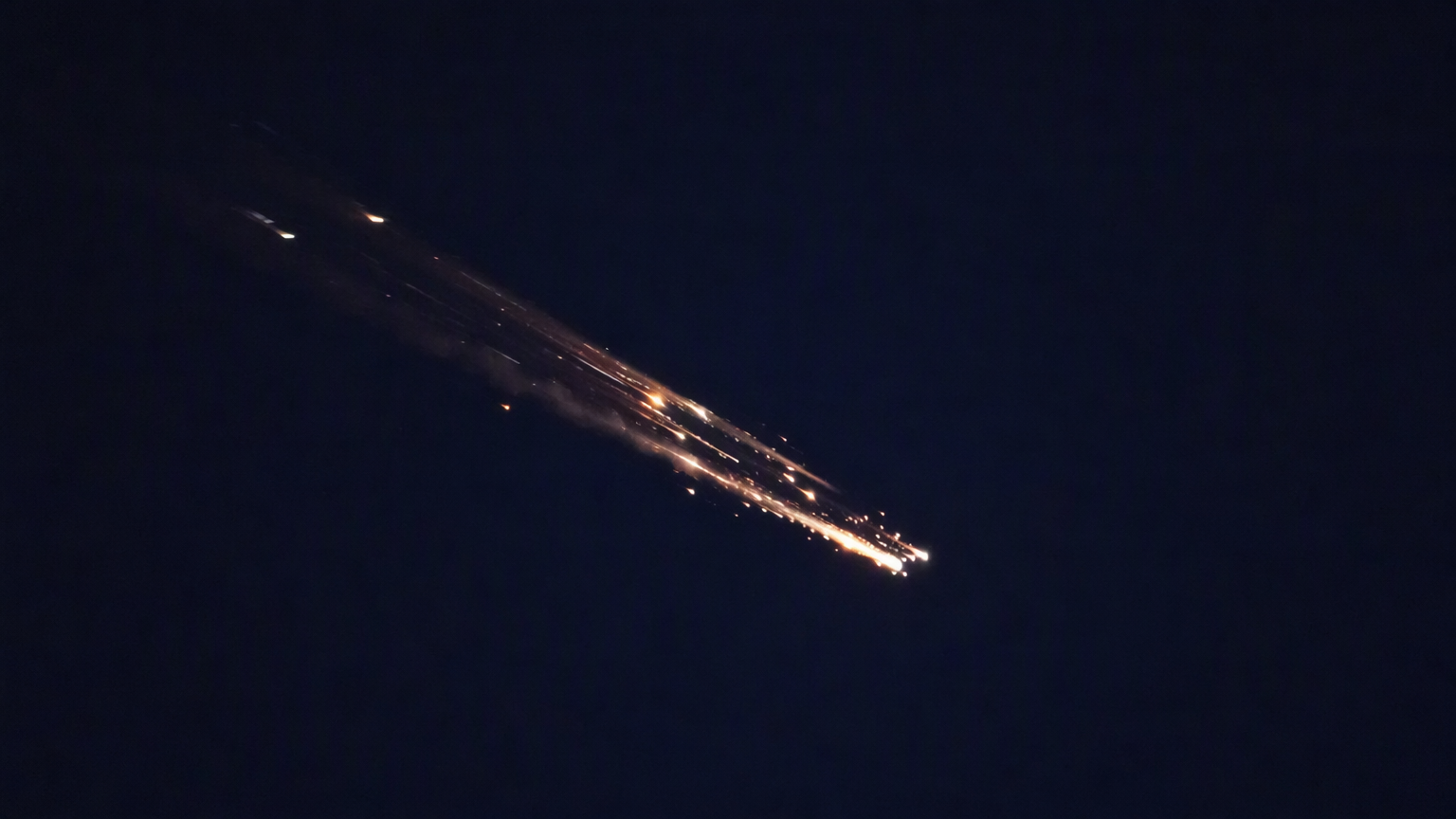
And here’s the part that really stings: two of the satellites are already falling back to Earth. Not “will eventually deorbit in five years” falling. Actively, currently, right-now falling. That’s the kind of failure that doesn’t leave much room for spin.
Why Altitude Actually Matters Here
I know “they didn’t reach the right altitude” sounds like a technicality, but it’s really not. Satellite constellations like this depend on precise orbital shells to maintain coverage, spacing, and signal consistency. Get the altitude wrong and you’re not looking at a minor inconvenience, you’re looking at satellites that can’t do their job, that decay faster because they’re fighting more atmospheric drag, and that mess up the whole choreography the constellation needs to function as a network instead of just… a bunch of expensive metal in the sky.
Is This Actually a Big Deal, or Am I Overreacting?
Look, one bad launch doesn’t sink a whole space program. Rockets fail. Deployments go sideways. SpaceX itself blew up a lot of Starships before things started clicking. So I don’t want to act like this is some unprecedented disaster.

But – and this is a big but – this wasn’t one satellite having a bad day. This was the entire batch. All 16. That’s not a fluke, that’s a pattern, and patterns usually point to something systemic, whether that’s the launch vehicle, the deployment mechanism, or the orbital insertion process itself. When literally the whole payload underperforms, you can’t really blame it on a stray gremlin.
“When an entire batch underperforms, you’re not looking at bad luck, you’re looking at a bad process.”
The Bigger Picture: Russia’s Space Ambitions Are Strained
This isn’t happening in a vacuum (pun very much intended). Russia’s space program has been under real pressure for years now – sanctions, brain drain, funding issues, you name it. Building a Starlink rival was already a massive lift technically and financially, even before you factor in the geopolitical headwinds making international cooperation and supply chains harder.
Starlink itself didn’t get good overnight, to be fair. SpaceX has thousands of satellites up there now and iterates constantly, launching new versions, fixing issues in near real time because they can afford to fail fast and relaunch. That’s kind of the whole model. Can Russia’s program absorb a failure like this and just try again next quarter? Honestly, I’m not sure. And that uncertainty is kind of the story here, more than the technical failure itself.
What This Actually Means
Here’s my honest take: this isn’t really about 16 satellites. It’s about whether Russia has the institutional capacity right now to run a sustained, iterative satellite program the way SpaceX or even China’s constellations do. One failed batch tells you a company or agency hit a snag. A pattern of failed batches tells you something deeper is going on with quality control, funding, or both.
I’ll be watching to see if there’s a next launch, and how soon. If they come back quick with fixes and a tighter deployment, that says something good about resilience. If this quietly fades and nobody talks about a follow-up for a year… well, that tells its own story too. Space is unforgiving like that. Gravity doesn’t care about your five-year plan.