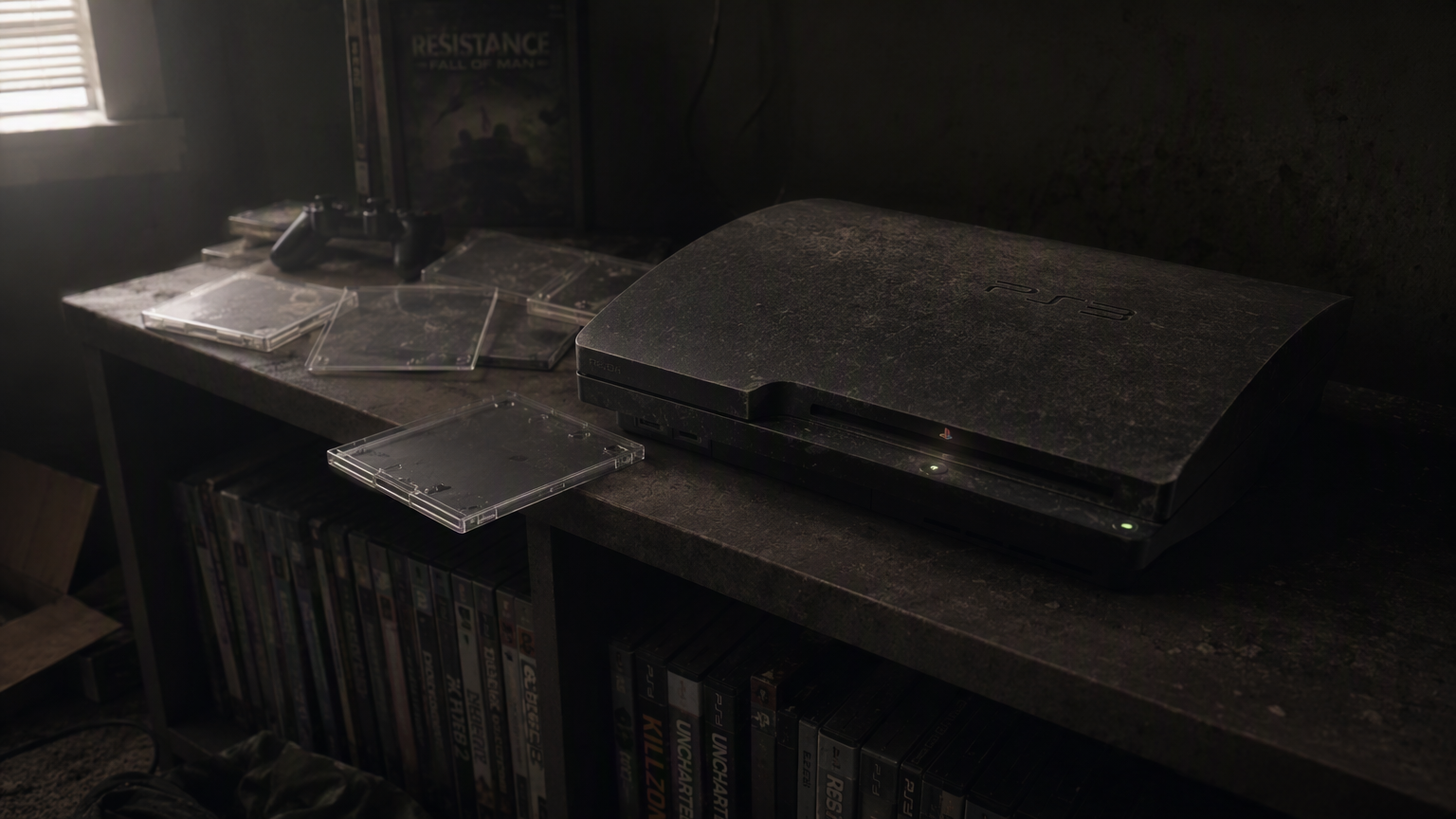
So here’s a story that’s making the rounds and it’s basically every gamer’s worst nightmare turned reality. Some guy digs out his old PS3, probably feeling nostalgic, wants to fire up Metal Gear Solid 4 for old times’ sake. Powers it on. And… nothing. His entire account had been disabled by Sony. Every digital game he’d bought over the years, gone. Poof. Because he hadn’t logged in for too long.
Wait, They Can Just Do That?
Yeah. Turns out they can. And honestly, this is the kind of thing that should make anyone who’s ever bought a digital game stop and think for a second. The guy posted about it on Reddit (in r/technology, if you want to go find the thread yourself) and the comments basically turned into a support group for people who’ve had similar things happen or are now panicking about their own dusty consoles sitting in a closet somewhere.
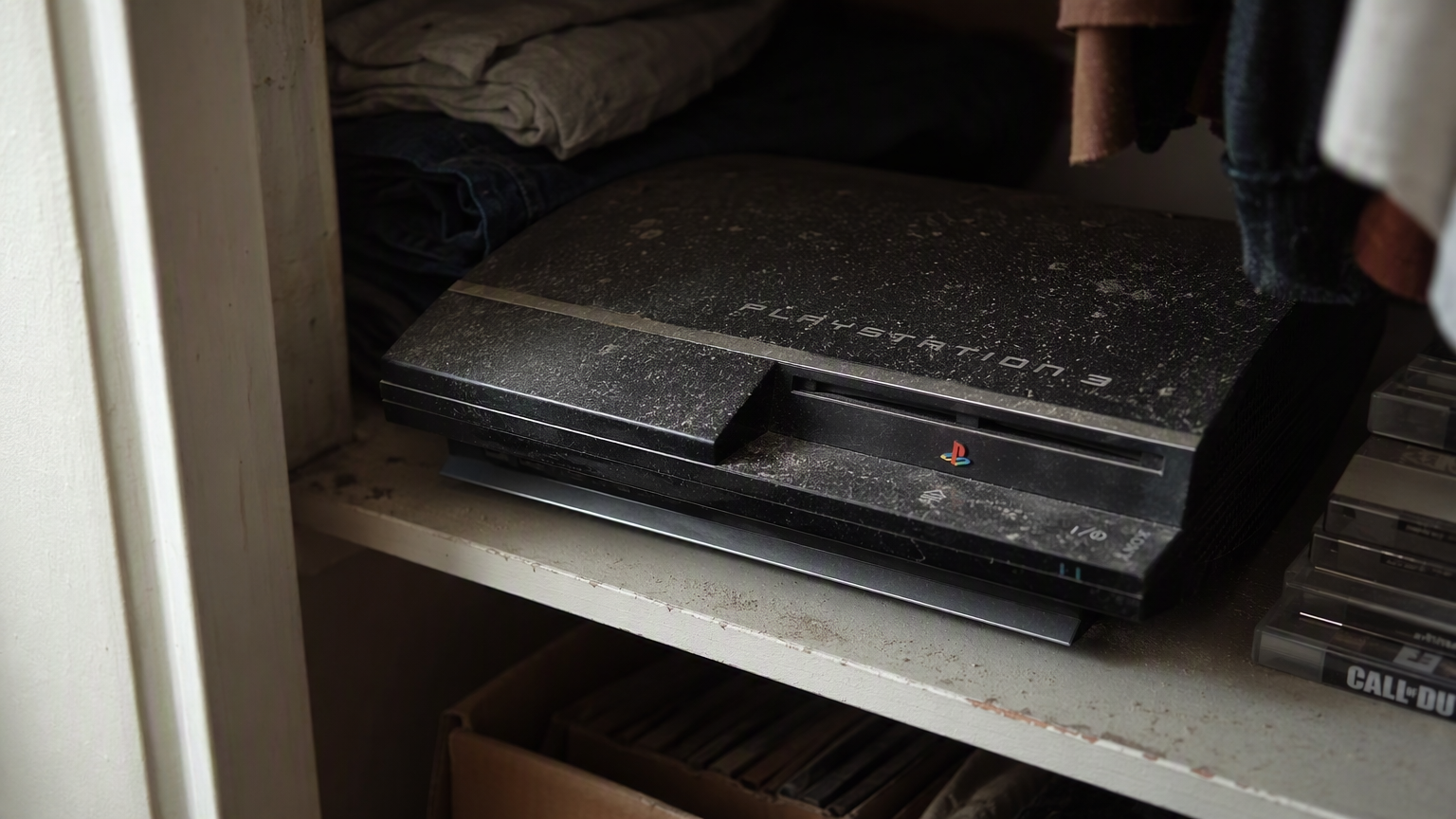
Here’s the thing that gets me – this isn’t some obscure fine print nobody could’ve known about. It’s buried in there, sure, but most people don’t read terms of service line by line before they buy a $60 game. Who does that? Nobody. You buy the game, you play it, you move on with your life. You don’t think “better keep logging into this account every few months or Sony’s gonna nuke my whole library.”
The Inactivity Clock Nobody Talks About
From what I can tell, Sony’s policy allows them to close accounts after a certain period of inactivity, and once that account’s closed, so is access to everything tied to it. Not just the games either – trophies, saved data, PSN friends list, all of it. It’s basically digital erasure. And it seems like this isn’t even new policy, it’s just something a lot of people never actually ran into until, well, now.
Why Does This Even Happen?
I get it, sort of. Companies don’t love maintaining servers and accounts for people who vanished a decade ago. Storage isn’t free, support isn’t free, and inactive accounts are basically dead weight sitting on their books. But here’s where I have to push back a little – there’s a massive difference between “we’re archiving your old profile” and “we’re deleting the games you paid actual money for.” One of those is housekeeping. The other feels a lot like theft, even if it’s technically allowed somewhere in a 40-page user agreement you clicked “agree” on without reading back in 2013.
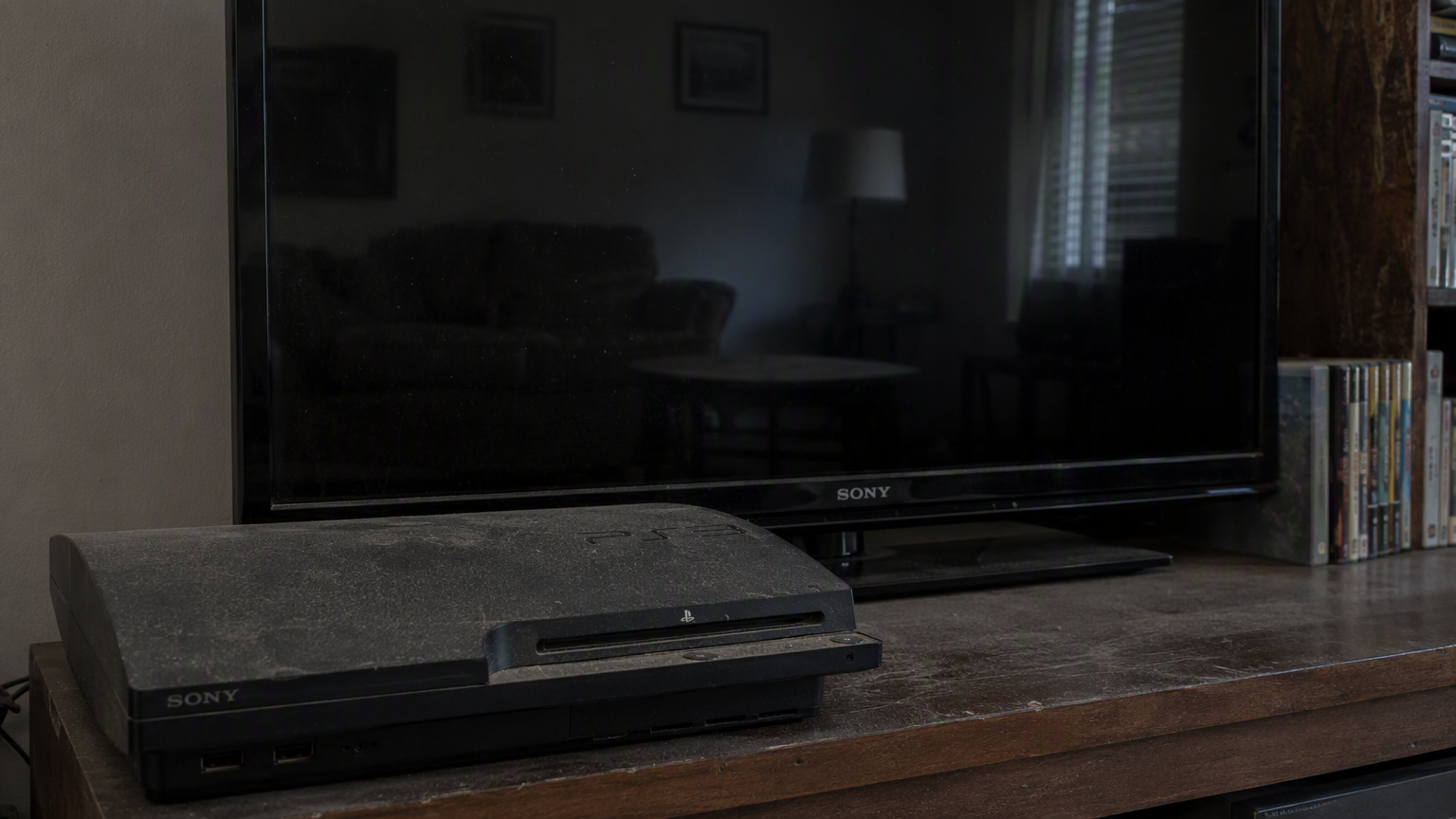
“You don’t own it, you’re just renting it until they decide you’re not renting it anymore” – basically the sentiment of every single comment on that Reddit thread
The Bigger Problem With “Owning” Digital Games
This story blew up because it’s a perfect, ugly example of something gamers have been grumbling about for years now. When you buy a physical disc, that disc is yours. You can sell it, lend it, let it collect dust for fifteen years, and when you finally pop it back in, it works. No login required, no server checking if you’ve been a good enough customer lately. But digital purchases? They live and die by the platform holder’s mood, policies, and yes – your login activity.
And look, I’ve seen this pattern before with other platforms too, it’s not just Sony being uniquely evil here. But that almost makes it worse, not better. It means this is becoming normalized across the industry instead of being some one-off bad decision from one company. Steam, PlayStation, Xbox, Nintendo – they’ve all got their own quirks about what happens to your stuff if you disappear for too long.
What “Inactive” Even Means
Not entirely clear, honestly, and that’s part of the problem. Is it six months? A year? Two years? Different platforms seem to have different thresholds and they’re not exactly shouting it from the rooftops. You’d think if a company’s going to potentially wipe out someone’s entire purchase history, they’d send more than a quiet little notice buried somewhere in an email you probably marked as spam.
What This Actually Means
Look, I’m not saying never buy digital games again, that ship’s basically sailed for most of us at this point – it’s convenient, it’s often cheaper, and let’s be real, most of us aren’t swapping discs anymore anyway. But this story is a genuinely useful wake-up call. If you’ve got old accounts sitting dormant with libraries attached to them, maybe log in every once in a while. Takes two minutes. Could save you from opening up your old console one day and finding out fifteen years of purchases just… aren’t there anymore.
The real issue, though, isn’t really about this one guy and his PS3. It’s about what “ownership” means anymore when everything we buy lives on someone else’s servers, governed by someone else’s rules, that can change whenever they feel like it. We keep calling it buying. Maybe we should start calling it what it actually is.