
A cop who got named Deputy of the Year allegedly used a license plate surveillance network to track down his ex-girlfriend, held a gun in her mouth, and did a Nazi salute during the relationship. If that sentence made you do a double take, good, because it should. This isn’t some rookie mistake or a guy who fudged his timecard. This is Brevard County, Florida, and the deputy’s name is Michael Fultz.
Wait, He Won an Award For This?
Yeah. Let that sink in for a second. Fultz was reportedly given “Deputy of the Year” honors at some point in his career, and then it came out – through an internal investigation – that he’d allegedly been using Flock Safety cameras, the automated license plate readers that are supposed to help solve crimes and find missing kids, to stalk his ex. Not a suspect. Not a wanted felon. His ex-girlfriend.
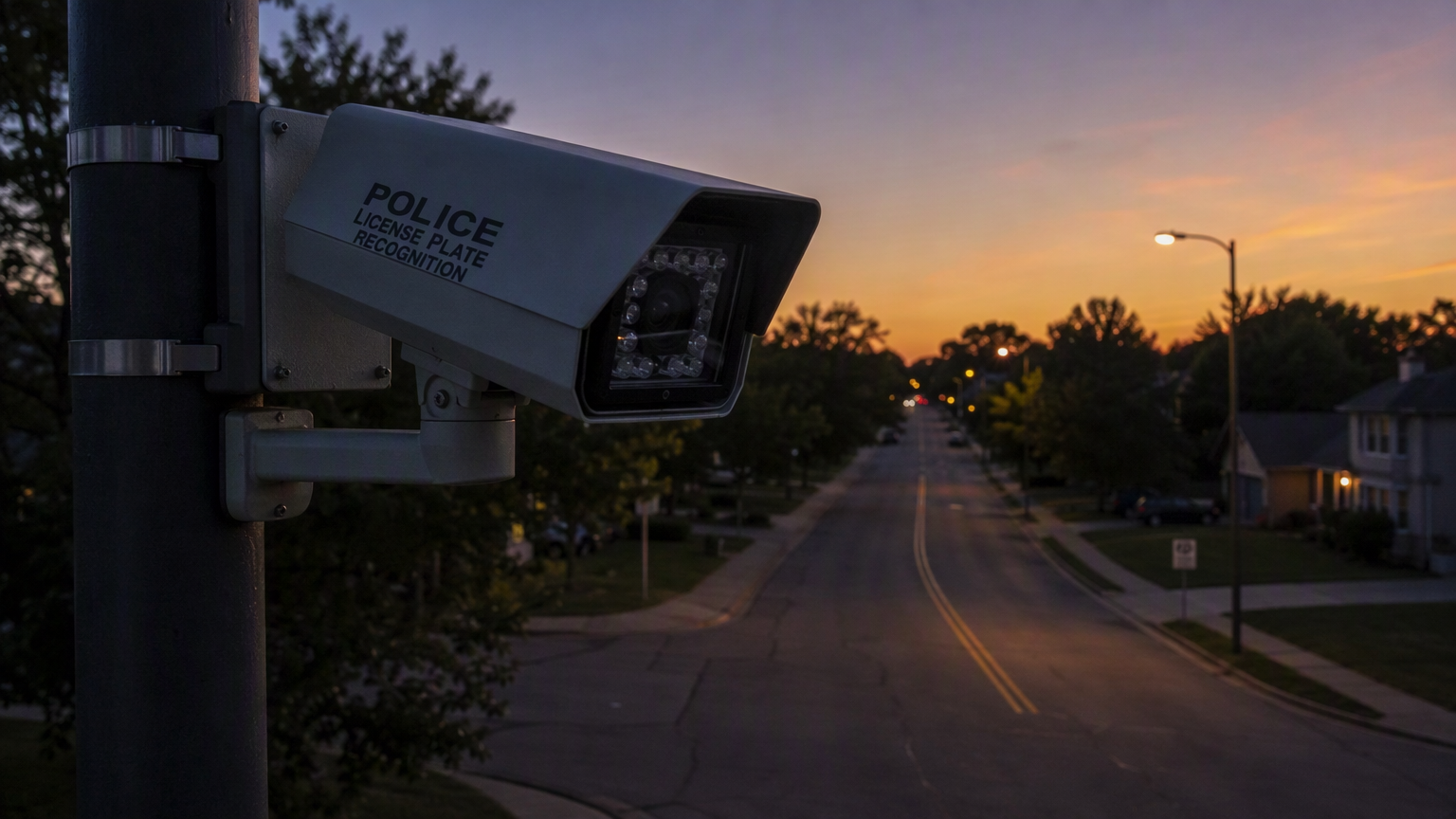
For anyone who doesn’t know, Flock is one of those surveillance systems that’s popped up in thousands of towns across the country over the last few years. Little cameras on poles, quietly logging every plate that drives by, building a searchable database of who went where and when. Cities love it because it’s marketed as a crime-fighting tool. Privacy advocates hate it because, well, it’s basically a mass tracking system with a friendly name. And here’s the nightmare scenario everyone warned about actually happening: a guy with a badge and access decides to use it on someone he used to date.
The Allegations Get Worse From There
According to the reporting, this wasn’t just a stalking situation. The investigation reportedly turned up allegations that Fultz held a gun in his ex’s mouth, that there was a documented pattern of controlling and abusive behavior, and – this is the detail that really stuck with me – that he did a Nazi salute at some point during all this. I don’t even know what to do with that last one except to say it tells you something about who this person is when nobody’s watching. Or, apparently, even when people were watching.
He resigned once the investigation started closing in. Of course he did. That’s basically the standard playbook at this point: hold on as long as possible, resign the second things get uncomfortable, avoid the messier consequences that come with getting fired outright. Resigning quietly lets a guy walk without the department having to say “we fired him for this specific horrifying reason” on the record.
So How Does a Guy Like This Get Access to Surveillance Tech in the First Place?
This is the part that actually keeps me up at night, not gonna lie. It’s not really about Michael Fultz specifically – though he sounds like a genuinely awful person – it’s about the fact that the system let him do this at all. Flock and tools like it are supposed to have audit logs, supposed to flag unusual searches, supposed to have some kind of oversight so that a random deputy can’t just type in his ex’s plate and get her location history whenever he feels like it.
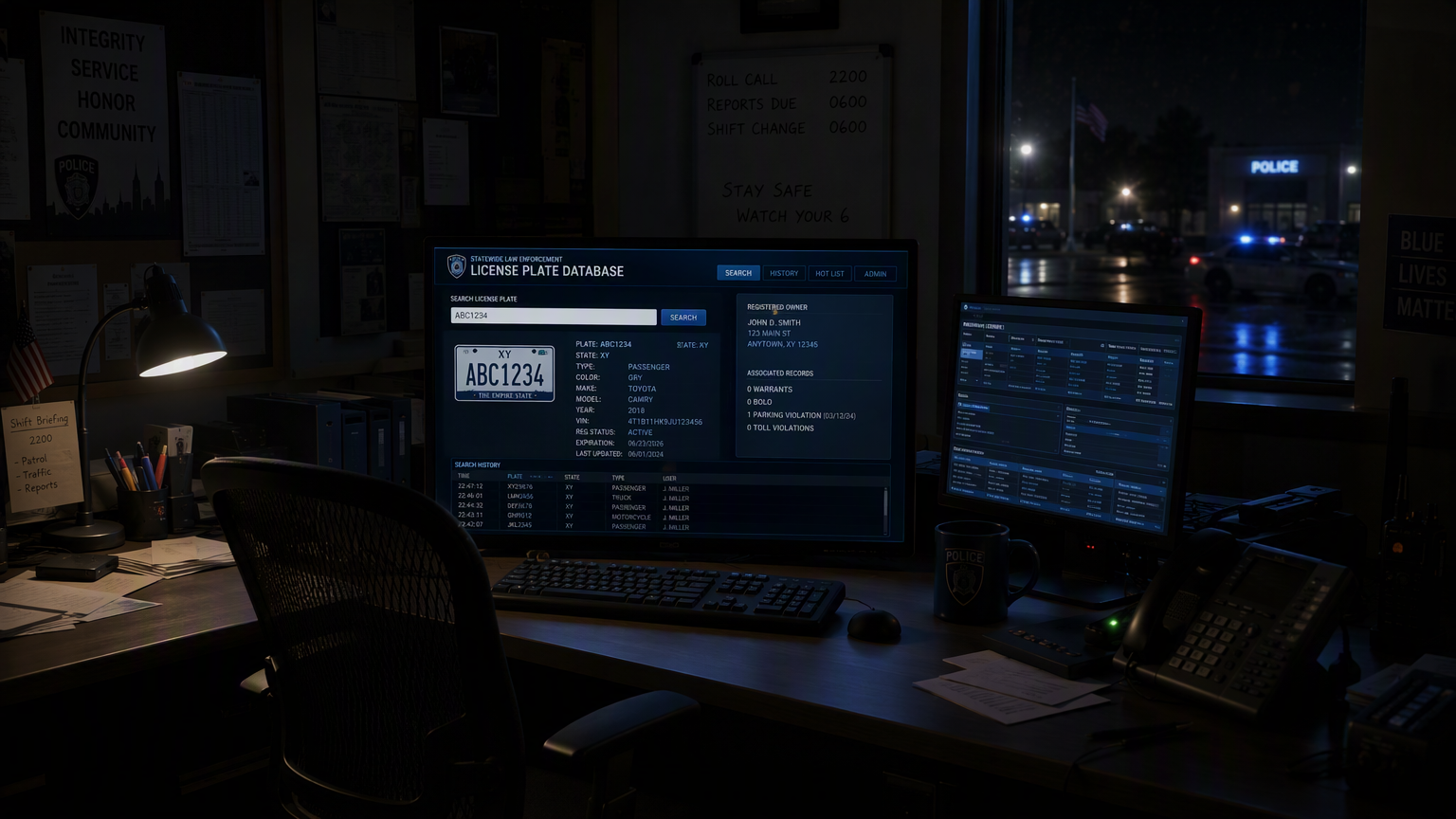
But audits only work if someone’s actually looking at them. And from what I can tell, in a lot of these smaller departments, nobody really is. The tech gets bought, it gets installed, everyone pats themselves on the back for being “proactive on crime,” and then it just sits there as this giant searchable database that basically runs on the honor system. That’s not a Flock problem exclusively, it’s a policing problem. We keep handing out more powerful tools without building the guardrails to match.
“The tools designed to protect the public can just as easily be turned into weapons against it – especially when the person holding them wears a badge.”
This Isn’t an Isolated Incident, Either
Here’s the thing that really gets me. This story keeps happening. Not this exact story, obviously, but the shape of it. Cop misuses access to a database – whether it’s license plate readers, NCIC records, DMV lookups, whatever – to look up an ex, a crush, a neighbor they had a beef with. It happens often enough that “running someone’s plate for personal reasons” is basically a known phenomenon in policing circles at this point. I’ve seen variations of this story more times than I can count, and every single time the response is the same: shock, an internal review, maybe a resignation, and then… nothing really changes structurally.
The scary part isn’t that one bad guy got through. It’s that the system wasn’t built to catch him before things escalated to a gun in someone’s mouth. That’s the actual failure here, and it’s a big one.
And can we talk about the “Deputy of the Year” part for a second? Because that’s not just an ironic footnote, it’s actually kind of important. It means this guy was seen as a model officer by his own department while allegedly doing all of this. Nobody flagged him. Nobody in leadership went “hey, something seems off here.” He got an award. That should scare anyone who thinks these internal vetting processes are catching the bad ones early.
What This Actually Means
Look, I don’t think the answer is “ban all surveillance tech everywhere forever,” even though I get why some people land there. These systems can genuinely help find missing people and solve real crimes, that part’s true. But this case is basically Exhibit A for why oversight can’t be an afterthought bolted onto powerful tech after it’s already deployed everywhere. It has to be baked in from day one – real audit trails, real consequences for misuse, real transparency for the public about who’s looking at what and why.
Until departments start treating these tools with that level of seriousness, we’re going to keep getting stories like this one. A guy with a badge, a database, and a grudge is a genuinely dangerous combination, and right now, way too many people have all three within easy reach. Fultz resigned, sure. But the system that let this happen for as long as it did? That’s still sitting there, mostly unchanged, waiting for the next guy.