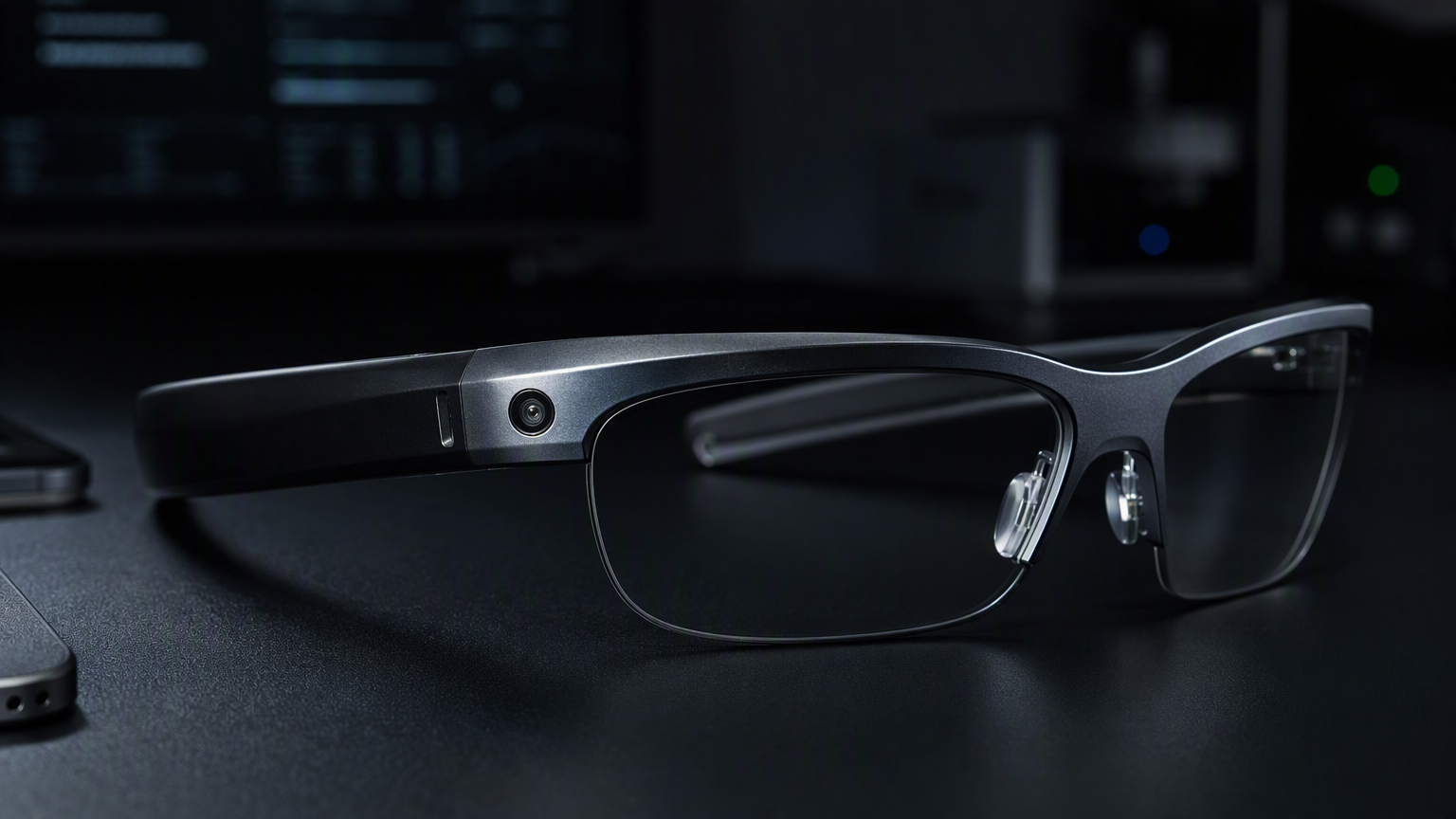
Somewhere in a warehouse right now, there’s a shipping container full of glasses that look completely normal but aren’t. They’ve got tiny cameras baked into the frames, they can record video without anyone around you knowing, and apparently they’re selling just fine on the usual overseas marketplaces. Now there’s a real push in Australia to just… stop them at the border. Ban the import outright. And honestly? I get it.
Okay, So What Are These Things Exactly
We’re not talking about Meta’s Ray-Bans here, or whatever Google’s cooking up with its AI glasses. Those are marketed openly as camera glasses, they’ve got a little light that blinks when recording (allegedly, and imperfectly, but still), and there’s at least a paper trail of “hey this thing records video” built into the branding.
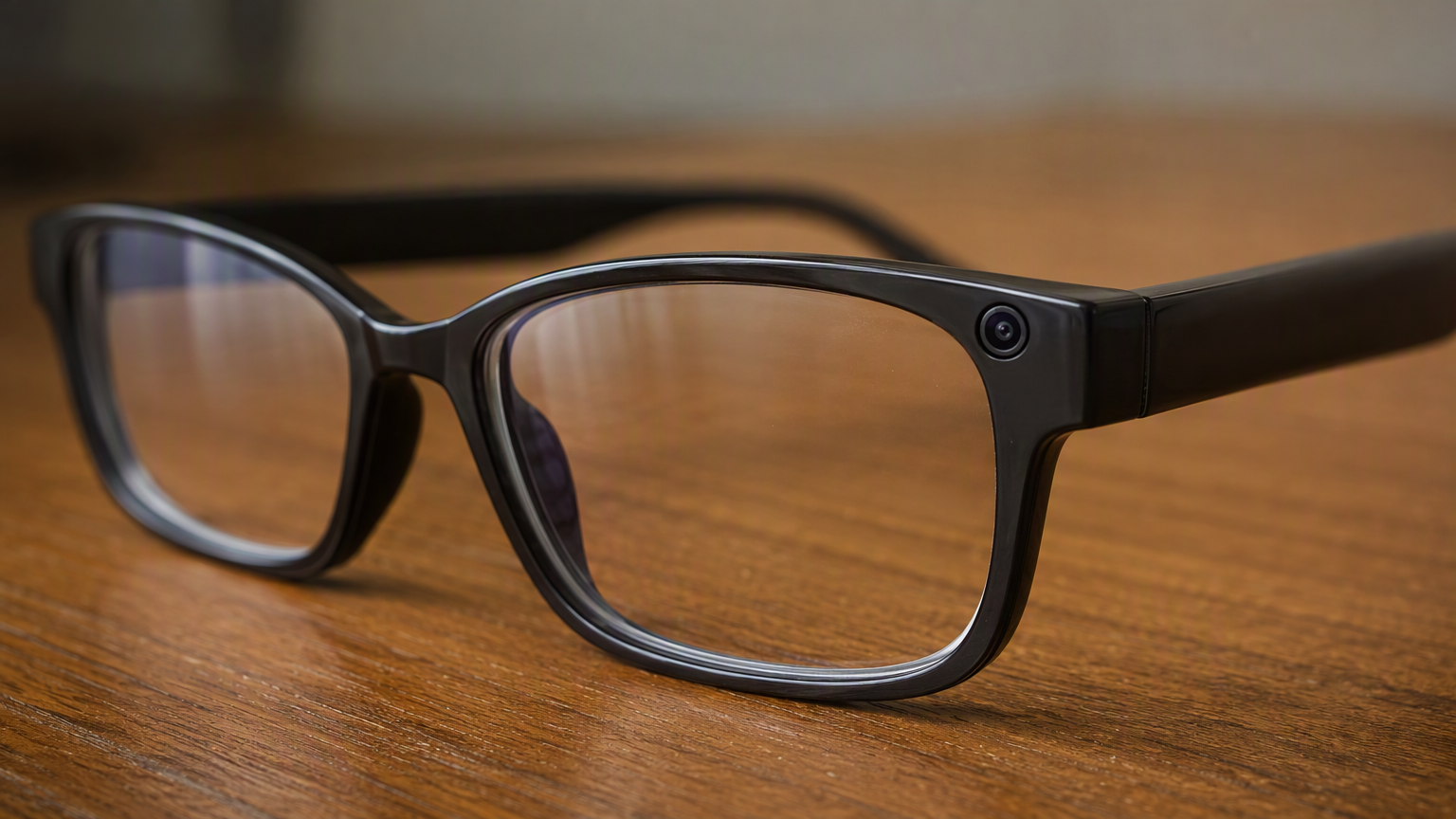
The glasses at the center of this story are different. They’re built specifically to be sneaky. No obvious lens, no recording indicator, nothing that tips off the person standing three feet away that they’re being filmed. People have started calling them “pervert glasses” in headlines and on Reddit threads, which, fair, because that’s basically the entire use case being flagged here. Covert filming. Upskirting. Changing rooms, gyms, wherever. The tech itself isn’t new, spy cameras have existed forever, but shoving one into a pair of glasses that anyone can just… wear around… in public… without suspicion? That’s a different level of accessible.
Why Glasses Specifically Are the Problem
Here’s the thing about glasses as a form factor – they’re already pointed at eye level, they’re already aimed wherever you’re looking, and nobody questions why you’re wearing them. Compare that to someone holding a phone at a weird angle in a change room, which, let’s be real, looks suspicious immediately. Glasses give you plausible deniability built right in. That’s what makes this particular gadget so much scarier than your average hidden camera pen or whatever novelty spy gear used to exist.
Why Now? Why Is This Suddenly a Big Deal?
Well, it’s not exactly sudden if you’ve been paying attention. Australia’s had ongoing issues with covert filming and image-based abuse for years, and lawmakers have slowly been tightening rules around that (there was a whole push a while back around upskirting laws specifically). But this feels like a new front. Import bans are a blunt instrument. You’re not trying to prosecute after the fact anymore, you’re trying to stop the tool from ever legally entering the country in the first place.
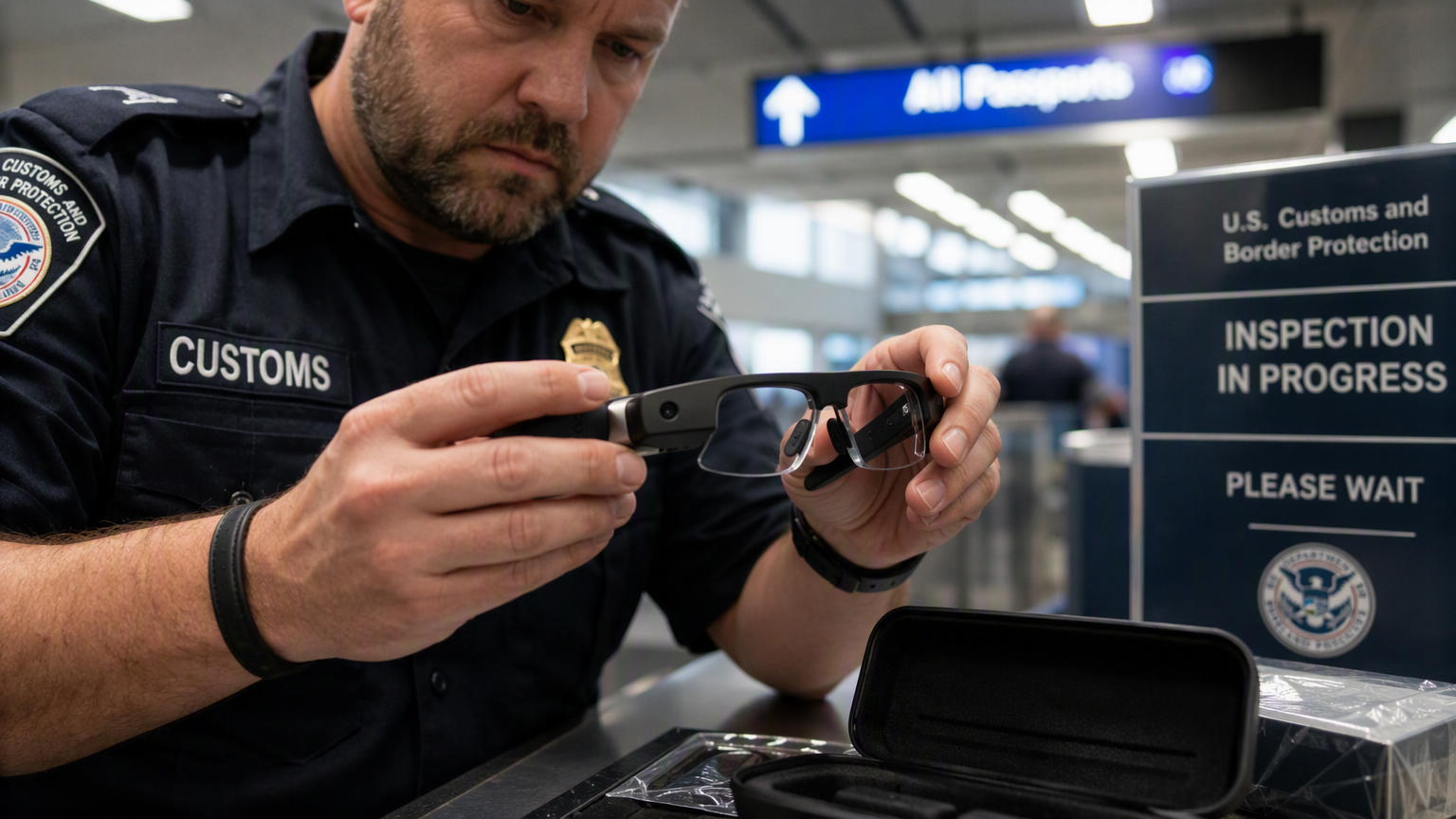
And that’s a pretty aggressive move, not gonna lie. Import bans in Australia already exist for stuff like certain knives, some drug paraphernalia, counterfeit goods, you name it. Adding a category of consumer electronics to that list because of what people might do with it is a bigger leap than it sounds. It’s not banning a weapon. It’s banning eyewear because of its capability.
“These devices exist for one purpose, and that purpose isn’t fashion.”
The Part Nobody’s Really Talking About
Here’s where I think this gets genuinely tricky, and it’s the part that’s getting buried under all the (understandable) outrage. How do you actually define what counts as a “spy glasses” ban? Because plenty of legitimate camera glasses exist now. Meta sells them. Snap’s been doing Spectacles for years. Bike commuters use action-cam glasses for safety footage. If the ban is written broadly around “glasses with hidden recording capability,” you risk sweeping up products that are perfectly transparent about what they do.
So the real fight here, from what I can tell, is going to be in the legal language. Is it about covert design specifically – no visible lens, no indicator light, no obvious camera housing? Or is it about the category of product as a whole? Because those lead to very different outcomes. One targets bad actors’ tools specifically. The other could accidentally choke off a legitimate and growing wearable tech market before it even gets going in Australia.
Enforcement Is Its Own Mess
And even if they nail the definition, there’s still the enforcement problem. Australia’s border security already struggles with counterfeit goods and illegal imports slipping through in personal parcels, small quantities, mislabeled shipments. A pair of glasses is tiny. It’s not like intercepting a shipping container of something obviously illegal. These things could come in one at a time in regular mail packaging, and unless customs is specifically screening for this, a lot are just going to slip through anyway. Bans work best as a deterrent and a legal backstop, less so as an actual physical wall.
What This Actually Means
I think this ban push is the right instinct even if it’s a messy, imperfect tool. We’ve basically hit a point where consumer tech has outpaced the social and legal norms around privacy, again, and honestly this keeps happening every few years with some new gadget. Drones. Smart doorbells. Now glasses. Each time we’re playing catch up instead of getting ahead of it.
My honest prediction? This ban gets introduced, gets narrowed down through debate to focus on “covert recording devices disguised as everyday items” rather than glasses specifically, and then becomes basically a template other countries look at too. That’s usually how these things go once one country actually puts pen to paper.
But here’s what actually nags at me. Banning the import doesn’t undo the ones already out there, sitting in drawers, already sold, already worn into places they shouldn’t be. That’s the part that doesn’t get fixed by a border rule. It gets fixed by better detection, faster reporting, and honestly, people just paying more attention to who’s got their glasses on a little too long in a change room. Technology keeps getting sneakier. Our defenses against it need to move just as fast, and right now, they’re not really close.