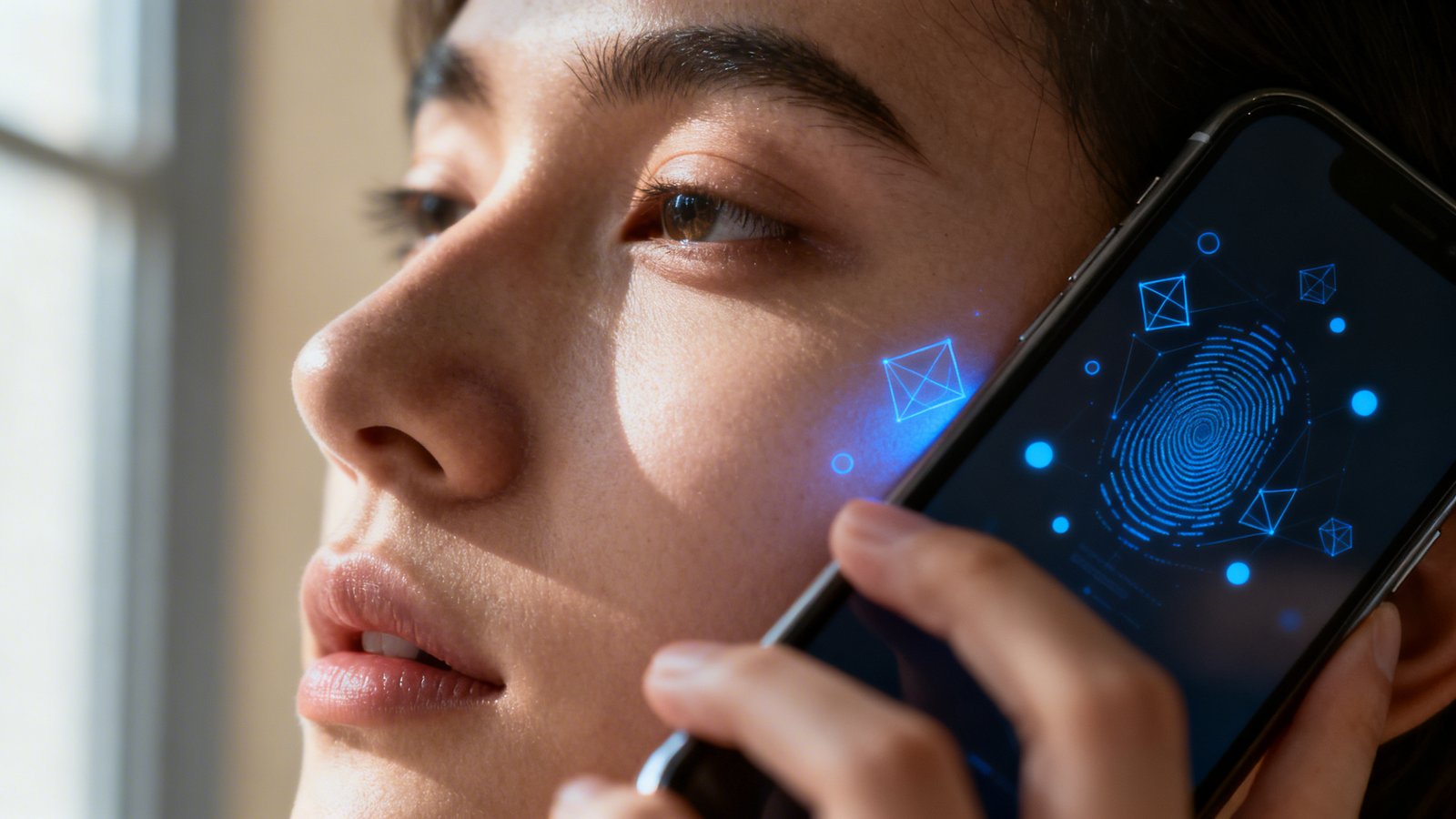
Okay, so let’s just cut to the chase here. You use Reddit, right? Maybe you’ve got a kid, or you’re a kid yourself, on Roblox. Discord? Yeah, that too. Well, guess what? Peter Thiel – yeah, that Peter Thiel, the Palantir guy, the Facebook early investor, the guy who funded Hulk Hogan’s lawsuit against Gawker (RIP, still miss you, Gawker) – he’s got his fingers in a new pie. And that pie? It’s your face. Literally.
The New Face of… Well, Everything, Apparently
So, there’s this company. It’s called something innocuous, probably, but the gist is they’re pushing a biometric ID system. And it’s not just some random startup trying to get traction. We’re talking Roblox, Reddit, Discord – these aren’t niche platforms. These are places millions, hundreds of millions, of people hang out, chat, game, argue, you name it. And now, users are apparently being “compelled” to use this biometric ID thing. “Compelled.” That’s a nice word for “forced if you wanna keep playing/posting/chatting,” isn’t it?
I mean, think about it. You’re just trying to verify your age, or maybe prove you’re not a bot (which, let’s be honest, some Reddit users probably are bots, but that’s a whole other story). Suddenly, you’re not just typing in a birthday. You’re whipping out your phone, letting an app scan your face. It’s like, “Welcome to the future! Now give us your eyeballs.” And then what? That data goes… where? Who owns it? Who has access?
When “Verification” Becomes Surveillance Lite
Here’s the thing: they always spin this as a security measure. “Oh, it’s to protect kids!” or “It’s to stop bad actors!” And sure, okay, I get it. Online spaces are messy. There are creeps, there are scammers, there are bots trying to pump crypto or whatever the latest scam is. But does solving those problems really require handing over our unique biological identifiers to a third-party company, especially one backed by a guy whose other main gig is literally surveillance software for governments and corporations?
It just feels… disproportionate, you know? Like, if you’re worried about age verification on Roblox, maybe, I don’t know, have better parental controls? Or robust account verification methods that don’t involve mapping a child’s face? But no, let’s go straight for the biometric data. Because that’s definitely the least invasive option. Not.
But Wait, Who Benefits From All This Data?
This is where my journalist-brain starts screaming. Peter Thiel. Palantir. These names aren’t exactly synonymous with “user privacy” or “philanthropic data collection.” Thiel’s whole vibe is about power, information, and control. Palantir, his data mining company, helps governments track stuff, make connections, analyze patterns. It’s basically the real-life version of that big, glowing orb from Minority Report, just without Tom Cruise jumping through buildings (mostly).
“It’s like they’re building a massive, interconnected digital fingerprint of humanity, one face scan at a time, and we’re just supposed to smile and hand it over.”
So, when a system backed by that guy starts showing up on platforms used by kids and everyday people for casual interaction, you gotta ask: what’s the end game? Is it just age verification? Or is it about building an even bigger, more detailed database of who we are, what we look like, and how we interact online? I mean, who cares about a little thing like personal autonomy when there’s data to be gathered, right?
The Privacy Cost of Convenience (Or Compulsion, Rather)
This isn’t new, of course. We’ve been giving away our data for years. Our browsing habits, our purchasing history, our location. But there’s something different about biometric data. It’s not just a preference; it’s you. It’s immutable. You can change your password, you can change your email, you can even change your name. But you can’t change your face or your fingerprints (unless you’re in a spy movie, which, let’s be real, you’re probably not).
And if that data gets breached – and let’s face it, every company gets breached eventually – then what? Your unique biometric ID is out there, forever. It’s not like you can just cancel that face and get a new one. It’s a permanent vulnerability. And the idea that kids on Roblox are potentially signing up for that? It’s kind of infuriating, if I’m being honest.
It reminds me of those early days of social media, when everyone was like, “Oh, it’s just photos of my lunch!” And then ten years later, people are getting fired because of old tweets. This biometric stuff feels like that, but on steroids. The implications are so much deeper, so much more permanent.
What This Actually Means
Look, I’m not saying every company that uses biometrics is evil. Face ID on your phone? Pretty convenient, usually pretty secure on-device. But when it’s a third-party service, collecting and storing this data for platforms that don’t seem to have a compelling need for it beyond “age verification,” and it’s tied to people like Peter Thiel… that’s when you gotta pause. That’s when you gotta ask some hard questions.
It means we’re inching closer and closer to a world where anonymity online is a luxury, not a given. Where every single thing you do, every account you create, every comment you post, could potentially be tied back to your unique biological identity. And for platforms that thrive on creativity, free expression, and sometimes, yes, a little bit of playful mischief (or even genuine privacy concerns for marginalized communities), that’s a pretty heavy price.
So, next time you’re asked to scan your face to log into Discord, or verify your age on Roblox, just remember who’s behind the curtain. And ask yourself if that quick click is really worth handing over a piece of yourself that you can never get back. Because I’m telling you, this isn’t just about verifying you’re old enough to play a game. This is big. Really big. And we probably haven’t even seen the half of it yet…