
Alright, so you know Savannah Guthrie, right? Of the “Today” show fame. Her mom, Nancy Guthrie, she’s gone missing. And look, that’s just awful, absolutely gut-wrenching for anyone, let alone someone in the public eye. But then you hear how they’re actually looking for her, and suddenly, your ears perk up. Because investigators are busting out the same kind of DNA magic-trickery – yeah, I said magic – that nailed Bryan Kohberger, the guy accused in those horrific Idaho college murders. This isn’t just a regular missing person’s case anymore. This is a whole other level of investigation.
When Plan A Fails, Bring Out the Big Guns
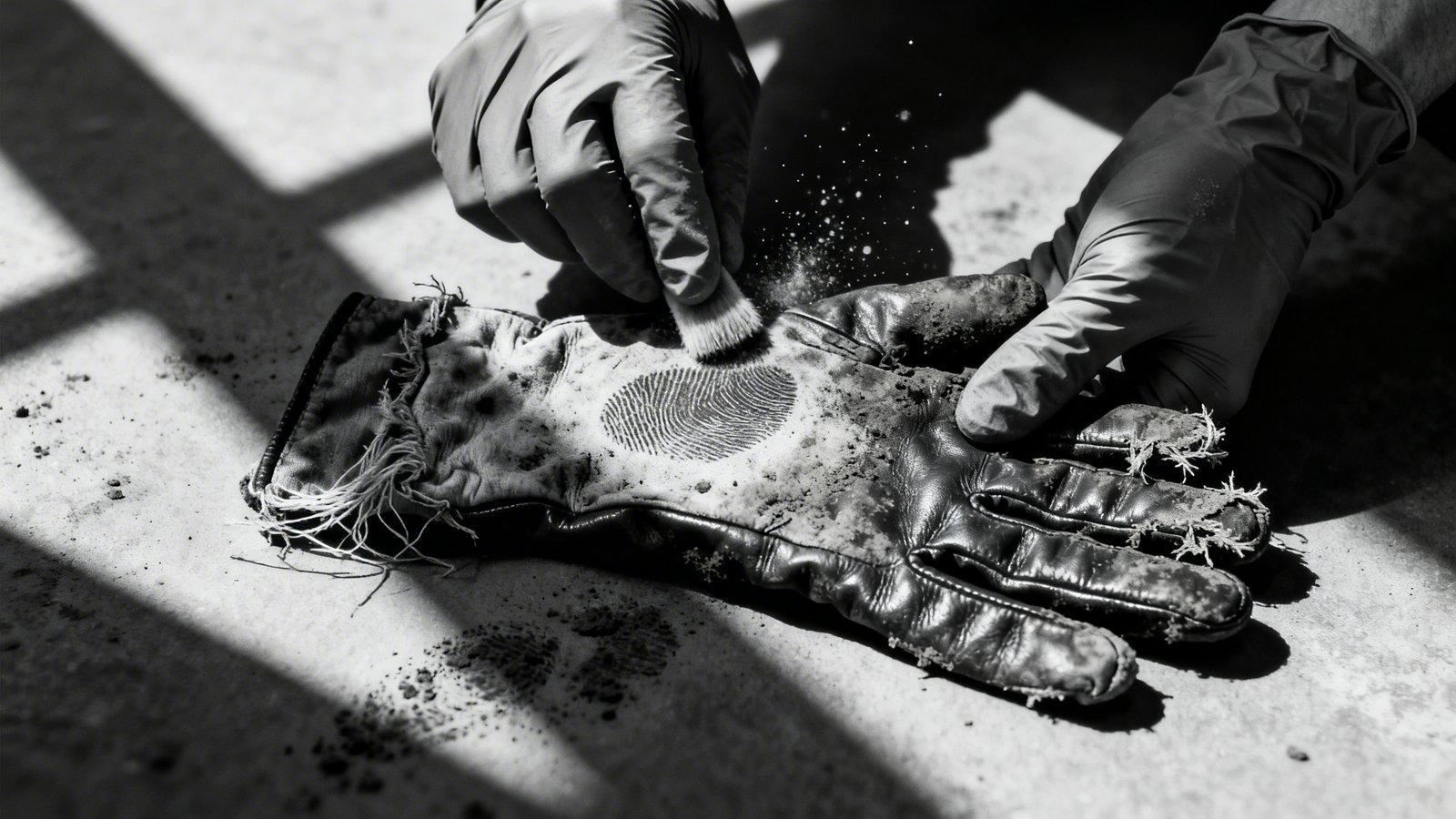
Here’s the thing, the Pima Sheriff’s Office in Arizona, where Nancy disappeared from, they found a pair of gloves. Two miles from her home, on February 12th, to be exact. And your first thought, my first thought, is “Aha! DNA!” Because that’s what we’re conditioned to think now, right? DNA is everywhere. It solves everything. But then comes the news: the gloves? No match in the national CODIS database. Zip. Nada. Nothing triggered a hit.
And you’re probably thinking, “Well, damn. Back to square one?” But no, not quite. Because the Pima Sheriff’s Office, bless ’em, they’re not just throwing up their hands. They’re pivoting. And they’re pivoting hard to something called Investigative Genetic Genealogy, or IGG for short. You know, the stuff that was absolutely pivotal in Kohberger’s arrest back in 2022. That’s a serious upgrade. It’s like when your old flip phone won’t cut it, so you pull out a supercomputer.
It’s Not Just a Name, It’s a Game Changer
So, what is IGG, for those of us who aren’t glued to true crime documentaries every night? Basically, it’s when cops take DNA that doesn’t match anyone in the standard criminal databases (like CODIS, which is mostly for people already arrested or convicted). Instead, they upload it to those public genealogy sites, the ones you and I might use to find out we’re 1/8th Viking or something. They’re looking for distant relatives. Grand-cousins twice removed, that kind of thing. And then, get this, they build a family tree. A massive, sprawling, forensic family tree. It’s insane, but it works.
This isn’t just some fancy new tech they’re trying on a whim. This is the real deal. It’s the stuff that’s quietly, or not so quietly, revolutionizing cold cases. And it’s what they used to zero in on Kohberger. Think about it. He wasn’t in CODIS for the Idaho murders, not initially anyway. But his DNA, or DNA linked to him, through a relative, pointed them in the right direction. It’s a whole different ballgame from just running a simple fingerprint or a direct DNA match. It’s detective work on steroids, powered by our own family histories.
But Wait, Does This Mean Something About Nancy?
The fact that they’re going straight to IGG for Nancy Guthrie’s case, after the CODIS dead end, is telling. It tells me they’ve got something from those gloves. It might not be enough for a direct match to a known perp, but it’s enough to build a profile, enough to start searching for family connections. And that’s huge. Because if there’s DNA on those gloves, and it’s not Nancy’s, then it belongs to someone else. Someone who was probably there. Someone who might know something, or worse, someone who did something.
“This isn’t just about finding a match; it’s about uncovering a story, piece by agonizing piece, through the very fabric of someone’s family.”
It also means they’re taking this incredibly seriously. I mean, of course they would for anyone missing, but when you bring out the Kohberger-level tech, you know it’s a high-stakes situation. They’re not just hoping for a lucky break; they’re actively, aggressively, pursuing every single thread. And if I’m being honest, that’s both terrifying and a little bit inspiring. Terrifying because it means someone might be out there who doesn’t want to be found. Inspiring because it shows the sheer tenacity of investigators when they have these kinds of tools at their disposal.
The Echoes of Kohberger and What It Means for Justice
The Kohberger case, man, that was a wake-up call for a lot of people about how powerful this technology really is. The sheer precision with which they narrowed down the suspect pool, eventually leading them to him, was mind-blowing. And now, to see that same playbook pulled out for Nancy Guthrie? It’s a stark reminder that if you leave even a speck of DNA behind, the world of genealogy might just come calling. It’s a double-edged sword, I guess. Great for catching bad guys, maybe a little unsettling for our privacy. But who cares about privacy when someone is missing, right?
This isn’t just some sci-fi movie stuff anymore. This is real life. It’s the future of forensics, and it’s happening right now, in cases like Nancy Guthrie’s. And it gives you a weird kind of hope, doesn’t it? That even when traditional methods hit a wall, there’s another way. A more intricate, more detailed, more relentless way to find answers.
What This Actually Means
Look, the immediate goal here is simple: find Nancy Guthrie. Bring her home. Or at the very least, figure out what happened to her. And if this IGG tech can get them closer, then you bet your bottom dollar they should use it. It means that whoever’s DNA is on those gloves, if it’s not Nancy’s, they’re not just looking for a name; they’re looking for an entire family tree. They’re looking for connections, for relationships, for that one distant cousin who might just be the key. And that’s a whole lot harder to hide from than a simple criminal database.
It’s not a guarantee, nothing ever is in these kinds of cases. But it drastically ups the odds. It means that even if the person who left those gloves has never been arrested before, has never had their DNA in CODIS, their family’s shared genetic history could still betray them. And that, my friends, is a pretty wild thought to chew on. For Nancy Guthrie’s family, it’s probably the best shot they’ve got right now. And for whoever left those gloves… well, they might want to start wondering if their second cousin twice removed is really as anonymous as they think.