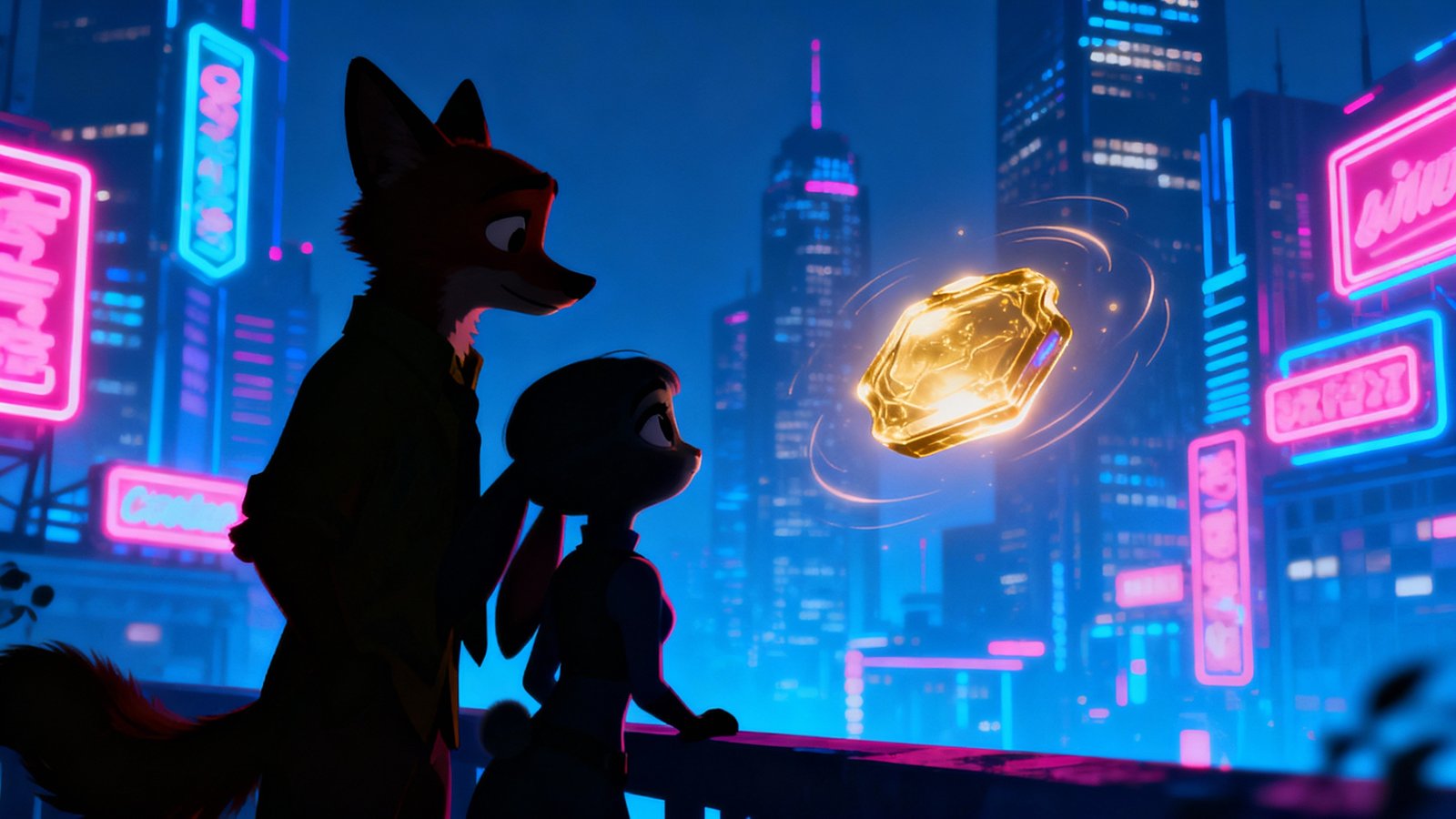
Okay, so remember Zootopia? That absolute gem from 2016 that sneakily-not-so-sneakily tackled prejudice and systemic bias better than most adult dramas? Yeah, that one. It left us all buzzing, didn’t it? Especially with its clever world-building and genuinely heartwarming-yet-sharp story about a bunny cop and a con artist fox. We’ve been waiting forever for a sequel, and now that Zootopia 2 is (finally!) on the horizon, everyone’s minds are racing.
Naturally, when you’re talking about a Disney-Pixar-level sequel, you’re not just thinking about the main story. Oh no. The real hardcore fans – and you know who you are – are already wondering about the post-credits scene. Because let’s be real, those little nuggets are often where the 진짜 juicy stuff, the future teasers, the Easter eggs that break the internet, reside. And apparently, the team behind Zootopia 2 has already dropped some hints about theirs, and it’s… well, it’s a bombshell. Seriously.
The Genius of Zootopia’s World-Building-What They’re Doing Next
First off, let’s just appreciate what the first movie did. It wasn’t just cute animals. It built a fully fleshed-out society – a sprawling metropolis where predator and prey co-exist, mostly. But not without its deep-seated issues. Judy Hopps, our intrepid rabbit protagonist, and Nick Wilde, the charmingly cynical fox, basically ripped the lid off systemic prejudice. The movie was subtle enough for kids but hit hard for adults. That kind of layered storytelling? That’s gold, people.
Now, you might think, “Okay, so Zootopia 2 will just double down on that, right? More metaphors for societal issues?” And yes, probably. But the post-credits scene, according to the creators, is doing something a little different. It’s not just a cute gag, and it’s not simply teasing a villain for the next film. It’s actually, kind of, fundamentally altering our understanding of their world. A pretty bold move, if you ask me.
Unpacking the Implication: Genetics and Society
Here’s where it gets really interesting. The word on the street – well, from the directors and producers, really – is that the post-credits scene isn’t about another conspiracy or even a new character. It’s about a biological revelation. Yeah, you heard that right. Forget carrots and cunning for a sec, we’re diving into genetics.
- The “Predator Instinct” Theory: Remember how the big twist in the first movie was about predators being drugged to revert to savagery? That played on the deeply ingrained fear of their “natural” instincts. Seems like this new scene takes that idea and twists it even further.
- A Glimpse into the Past: What if the post-credits scene isn’t about the future at all, but about the true, ancient history of Zootopia? Like, maybe how they became sentient, or why their diverse species developed certain traits. Think bigger than just “predator vs. prey.”
They’re hinting that it challenges the very foundation of how these animals understand themselves and each other. It’s not just a prejudice, it’s rooted in something far deeper, something biological-or at least, interpreted as such. This isn’t just about societal constructs anymore; it appears to be about how they’re programmed. Wild, right?
“It’s about peeling back another layer of what it means to be an animal in this world, and how that’s been manipulated or misunderstood for generations.” – Director/Producer (paraphrased, of course)
The Philosophical Fallout: What This Means for Judy and Nick
Imagine the implications for Judy and Nick. Our dynamic duo, who spent the first film dismantling stereotypes, are now faced with a revelation that might suggest those stereotypes have an actual biological basis. Or, more likely, that a particular biological truth has been misconstrued and weaponized. This is far more complex than just identity politics; this is delving into the very nature of existence within Zootopia.
It’s like finding out that the reason the sky is blue isn’t just scattering light, but because a giant space entity sneezed blue glitter aeons ago, and we’ve been operating under the wrong assumption all this time. Okay, maybe not that extreme, but you get the idea. It forces a complete re-evaluation.
It’s a bold narrative choice, pushing beyond simple “can’t we all just get along?” morals to something much more profound. It suggests that the fight for equality and understanding isn’t just about changing minds or systems, but about uncovering deep-seated truths, or perhaps, lies presented as truths.
My Take: This Could Be Revolutionary (or a total misstep)
Honestly, I’m torn on this. On one hand, it’s incredibly ambitious. It shows a creative team willing to push boundaries and not just recycle old tropes. Expanding the lore this deeply, especially with biological-ish elements, feels like a page out of a much more serious sci-fi tome, not a family animated film. And for a franchise that already tackles such heavy themes, this feels like a natural (albeit intense) progression.
On the other hand, it’s a tightrope walk. You risk alienating audiences if it gets too convoluted or, worse, if it inadvertently justifies some of the prejudices the first film worked so hard to dismantle. The beauty of Zootopia was its clear-eyed critique of social biases. Introducing a biological angle could, if not handled with extreme care, muddy those waters in a way that feels counterproductive. But given the original’s subtlety and intelligence, I’m leaning towards them nailing it.
So, when you finally watch Zootopia 2-and you absolutely will-make sure you stick around for that post-credits scene. Because apparently, it’s not just a little bonus; it’s a foundational retcon that’s going to make us rethink everything we thought we knew about Judy, Nick, and the entire city of Zootopia. Prepare yourself. It’s going to be a ride.