
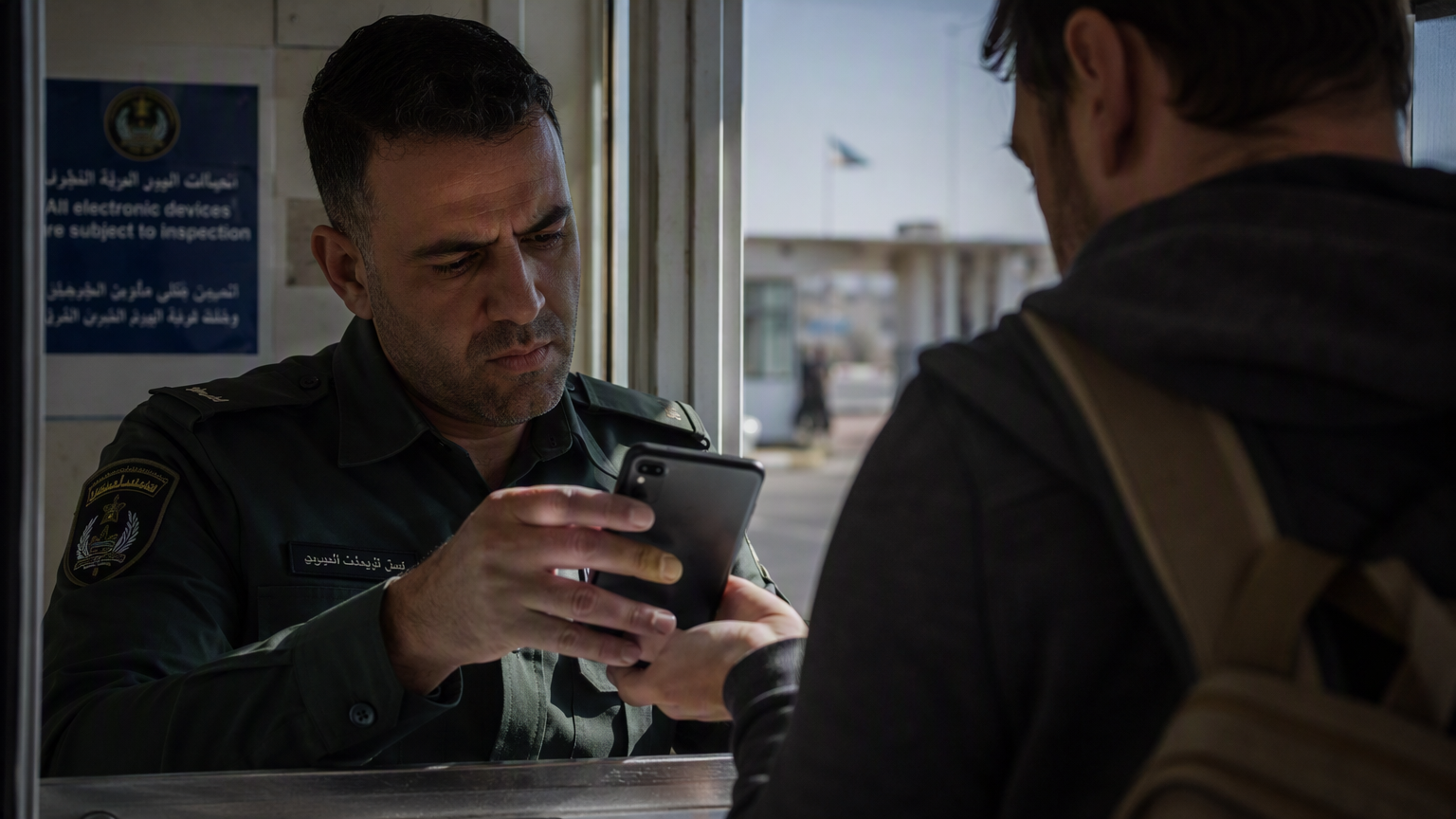
Your phone knows more about you than your therapist, your spouse, and probably your own mother combined. So when a federal appeals court says border agents in New York, Connecticut, and Vermont can dig through it without a warrant, that’s not some small bureaucratic footnote. That’s a big deal. Really big.
Wait, They Can Just… Do That Now?
Here’s the gist. The Second Circuit Court of Appeals ruled that border agents in its jurisdiction (that’s New York, Connecticut, and Vermont, for those who skipped geography) don’t need a warrant to search your phone at the border. Not a quick glance either. We’re talking full forensic searches, the kind where they plug your device into a machine and pull out everything, deleted texts, location history, browser data, the works.
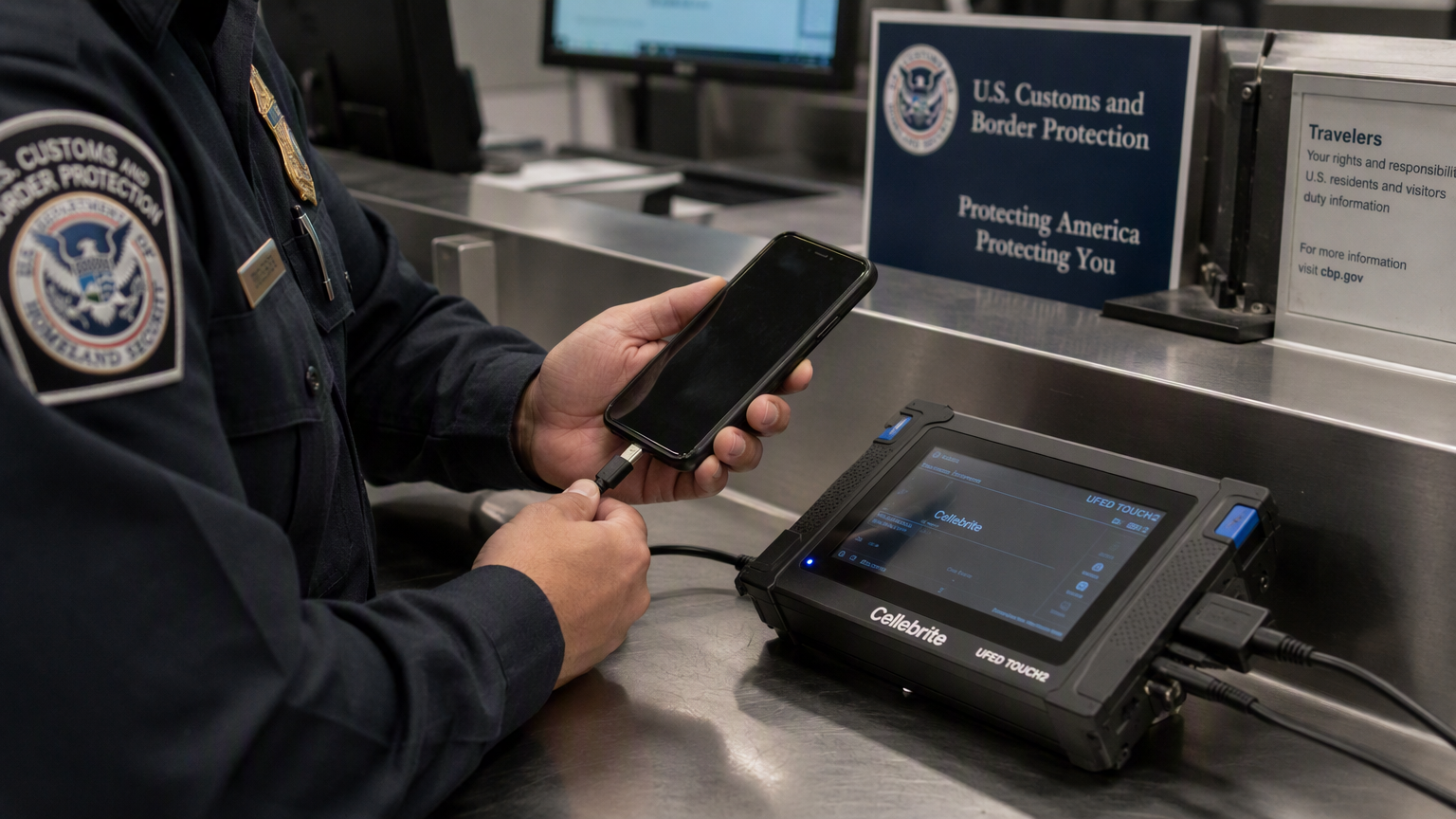
I know what you’re thinking. Isn’t that what the Fourth Amendment is for? I mean, that’s kind of the whole point of it, right? Well, apparently the border is treated like its own weird constitutional bubble. There’s this long-standing “border search exception” that lets agents search stuff coming into the country without the usual warrant requirements, and courts have basically been stretching that idea to cover phones too, even though your phone is nothing like a suitcase. A suitcase holds clothes. Your phone holds your entire digital life.
So What’s Actually Different Here
The court did draw a line, kind of. Basic manual searches, an agent scrolling through your phone by hand, don’t need any suspicion at all. But the more invasive forensic searches, the ones that copy your entire device, now require “reasonable suspicion.” Not a warrant. Not probable cause. Just reasonable suspicion, which, let’s be honest, is a pretty low bar. Agents can meet that standard without much effort at all.
Why Should You Even Care About This?
Look, maybe you’re thinking, “I don’t have anything to hide, so who cares.” I get that reaction, I really do. But that’s not really the point here. The point is that your phone is basically a diary, a bank statement, a photo album, and a map of everywhere you’ve ever been, all rolled into one little rectangle. And now a federal agent can access all of that at the border with way less justification than they’d need to search your house.
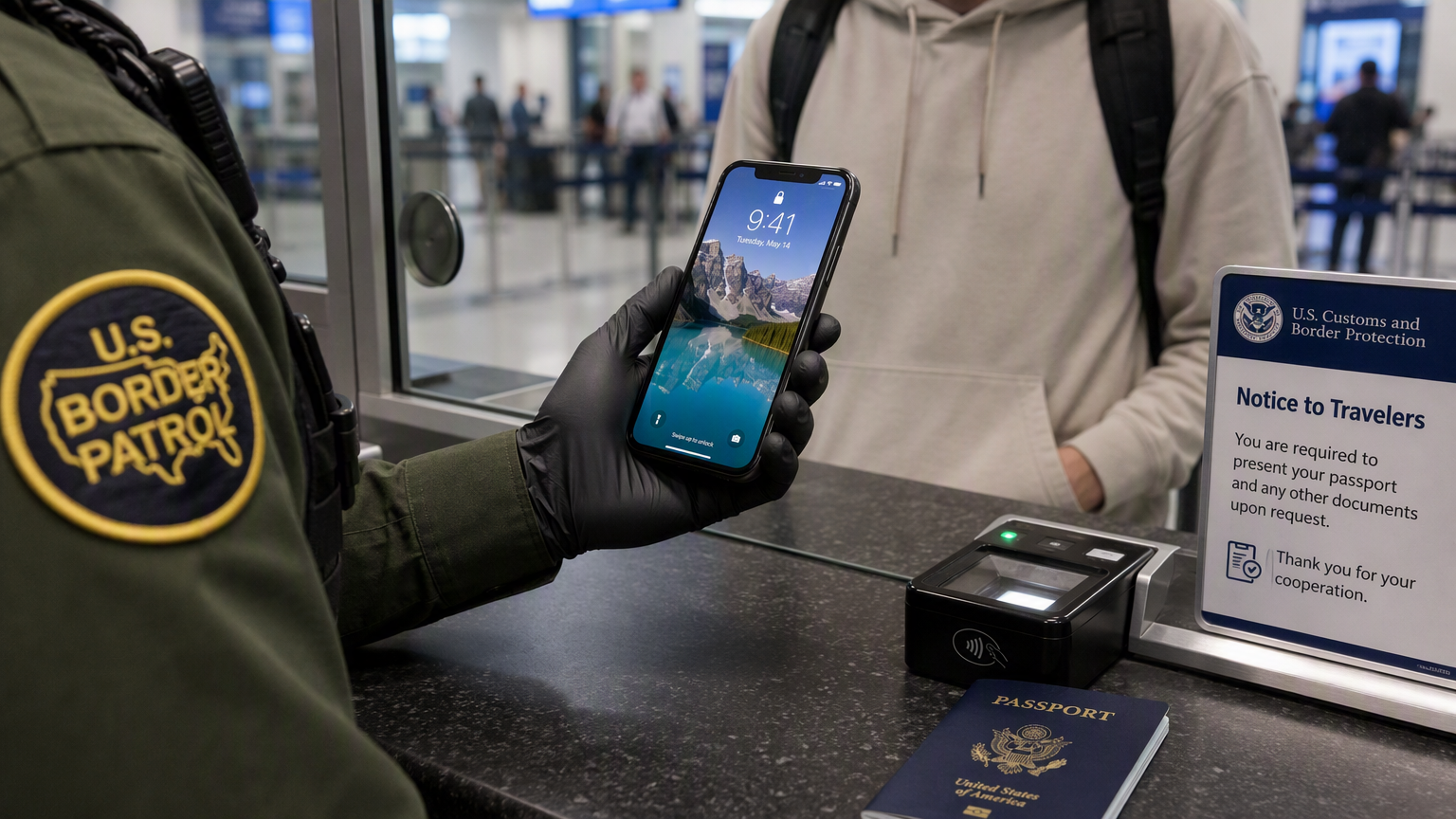
Think about who actually crosses these borders regularly. Journalists. Lawyers with privileged client information. Business travelers with confidential company data. Regular people just going to visit family in Montreal for the weekend. None of these folks signed up to have their entire digital footprint exposed just because they happened to drive through a checkpoint.
“This ruling essentially treats your smartphone like it’s a piece of luggage, when in reality it’s more like a window into your entire life,” one privacy advocate noted in response to the decision.
The Bigger Pattern Here
This isn’t happening in a vacuum, and if you’ve been paying attention to how courts have handled digital privacy over the last decade, you’ve probably noticed a pattern. The law keeps struggling to catch up with technology. Judges are applying frameworks built for physical objects, suitcases, glove compartments, briefcases, to devices that hold literally more personal information than anything humans have ever carried before.
And here’s the thing that really gets me. The Supreme Court already recognized this problem back in 2014, in a case called Riley v. California. That ruling said police need a warrant to search your phone during an arrest, specifically because phones aren’t like other physical objects. The justices basically said, hey, this device is different, treat it differently. So it’s honestly kind of baffling that border searches haven’t followed the same logic. Different context, sure, but the phone is still the phone. It still holds the same amount of your life whether you’re getting arrested downtown or crossing into Vermont from Quebec.
Not every circuit agrees on this either, which makes the whole situation messier. Different appeals courts have landed on different standards for phone searches at the border, which means your rights kind of depend on which airport or checkpoint you happen to be standing at. That’s not a great system, if I’m being honest. Your constitutional protections shouldn’t shift depending on geography like you’re playing some sort of legal roulette.
What This Actually Means
So where does this leave you if you’re planning international travel through New York, Connecticut, or Vermont anytime soon? Basically, assume your phone is fair game. Agents don’t need a warrant, and the “reasonable suspicion” bar for the deep forensic searches is honestly not that hard to clear. Some privacy-conscious travelers have started doing things like wiping their phones before crossing borders, using separate travel devices with minimal data, or just logging out of sensitive accounts beforehand. Sounds excessive, maybe. But given this ruling, it’s not exactly paranoid anymore either.
I’d bet money this isn’t the last word on the subject. With different circuits landing on different rules, this feels like exactly the kind of split that eventually pushes its way up to the Supreme Court. Whether that happens next year or five years from now, who knows. But the tension between decades-old border search doctrine and the reality of what a modern smartphone actually contains isn’t going away on its own.
In the meantime, it’s worth sitting with this question for a second: if a piece of technology holds more personal information than your house does, shouldn’t it get at least the same level of protection? Right now, at least in three states, the answer is apparently no.