





We’ve all done it, right? Maybe not intentionally, but stumbled onto a sketchy site back in the day, looking for that one obscure B-side or a forgotten live concert recording that just wasn’t on Napster or Limewire-and then, suddenly, there it was, downloading. We probably didn’t think much about the artists then, just the instant gratification. But what if that brief moment of digital transgression, multiplied by millions, could lead to a billion-dollar lawsuit? And what if that lawsuit could actually change how the internet, as we know it, works for everyone? Because that’s kind of what’s happening right now with the Supreme Court.
This isn’t just about a few rogue downloads anymore; it’s about the foundational relationship between creators, tech companies, and you-the user. It’s a massive legal battle, a billion-dollar one actually, that pits music giants against internet service providers. And the outcome? Well, it could really shake things up for anyone who uses the web to stream, share, or even just browse music. It’s big stakes stuff, no exaggeration.
When Piracy Gets Personal (and Expensive)
Okay, so let’s get into the nitty-gritty. This whole thing stems from a case brought by a bunch of major record labels-Sony, Universal, Warner, you know the players-against Cox Communications, one of the biggest internet providers in the U.S. Basically, the labels allege that Cox kind of just looked the other way while its subscribers were, shall we say, freely downloading copyrighted music for years. We’re talking millions upon millions of illegal downloads. The labels sent Cox millions of notices, essentially saying, “Hey, your users are pirating our stuff! Do something!” And the labels say Cox didn’t do enough. Not by a long shot.
The “Repeat Infringer” Question
Here’s where it gets interesting, and frankly, a bit technical. Under the Digital Millennium Copyright Act (DMCA), internet service providers (ISPs) typically get a bit of a safe harbor. That means they’re usually not on the hook for what their users do, as long as they follow certain rules. One of those rules? They have to have a policy for dealing with “repeat infringers” and actually implement it. This is the crux of the whole Cox case. The labels argue Cox’s policy was basically a sham-they weren’t really kicking off or seriously punishing subscribers who kept downloading illegal content, even after being notified repeatedly.
- The Accusation: Cox allegedly ignored millions of copyright infringement notices, letting users continue pirating.
- The Defense: Cox claims they did have a policy and that filtering or actively monitoring every user’s activity is basically impossible, and a massive overreach.

Imagine, for a second, if your internet provider was suddenly responsible for everything you ever shared or downloaded. A bit chilling, right? This isn’t just about a few Nickelback songs (no offense, Nickelback fans). This is about the slippery slope. How much responsibility should an ISP bear? And when does “facilitating access” become “enabling piracy”? That’s the billion-dollar question, literally.
“The balance between protecting creators and maintaining an open internet is incredibly delicate. This case could swing that pendulum dramatically.”
What’s at Stake for Everyday Internet Users?
So, why should you care about a legal dust-up between music moguls and a cable company? Well, if the Supreme Court sides too heavily with the record labels, it could have some pretty gnarly consequences for everyone using the internet. Think about it-ISPs might become super-vigilant, scanning everything, possibly even monitoring your traffic more closely than they do now. That’s a huge privacy concern, for starters.
The Internet as We Know It Could Change
Imagine a world where your internet provider acts like a digital bouncer, constantly checking your downloads list. ISPs might start implementing draconian measures, proactively blocking content, or even adopting a “three strikes and you’re out” policy that’s far more aggressive than what most have now. This isn’t just about music, either. If this precedent holds, what about movies, TV shows, software? The floodgates could open, creating a very different, and probably much less free, online experience.
- Privacy Concerns: ISPs might feel compelled to monitor user activity more aggressively to avoid liability.
- Access Restrictions: A more cautious ISP might proactively block or filter content, making the internet less open.
- Cost Implications: All that monitoring and enforcement? Guess who pays for it. Yep, us, through higher subscription fees.
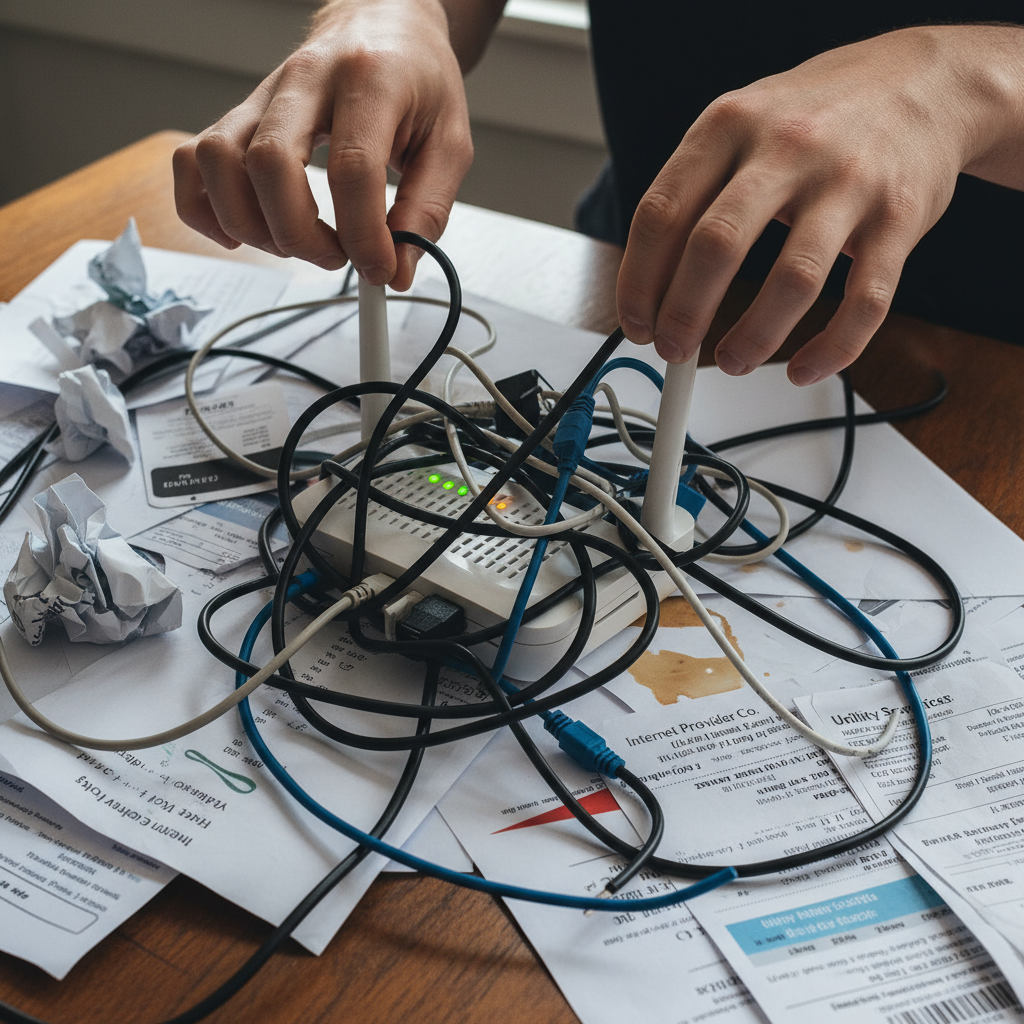
It’s not just about stopping piracy, which, look, it’s a legitimate problem for artists and creators. But the solution can’t be to break the internet, right? It’s a delicate balance. We want artists to get paid for their work-absolutely. But we also don’t want ISPs becoming thought police, dictating what we can and can’t access, or worse, invading our privacy under the guise of copyright enforcement. This case really forces us to think about who controls the pipes, and what they’re allowed to do with that control.
So, this Supreme Court showdown? It’s not some abstract legal squabble. It’s about your music, your internet bill, and maybe even your online freedom. The ruling could redefine the responsibilities of internet providers, setting a precedent that impacts everything from how content is shared to the fundamental architecture of the web. It’s a huge deal. Keep an eye on this one, because its ripples are going to be felt far and wide, by pretty much anyone with a Wi-Fi connection.


