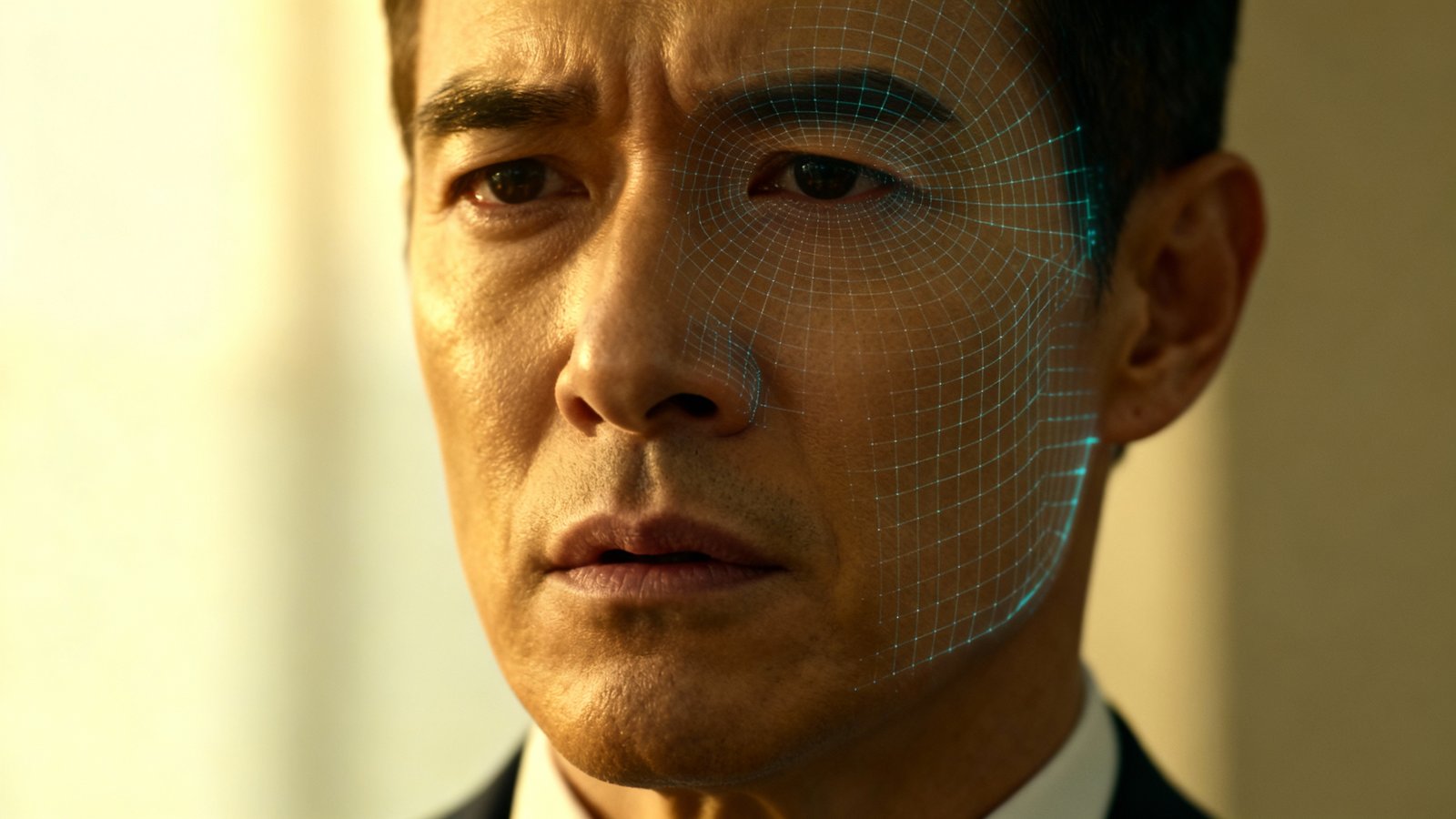
Okay, so get this: you go to an airport, you stand there, you let some camera scan your face. Happens all the time, right? You probably don’t even think about it. But what if that quick, blink-and-you-miss-it moment of “convenience” suddenly got you on some kind of list? What if it cost you something you actually rely on? Because for one Target executive, a 56-year-old woman named Nicole Cleland, that’s exactly what went down. Her Global Entry? Gone. Revoked. Poof. And all, it seems, because of a face scan and a protest.
Your Face Scan is a Weapon Now, Apparently
Here’s the deal. Nicole Cleland, she’s a director at Target Corporation – not some fringe activist, you know? She’s a Richfield resident, a regular person, and she went to an ICE protest. Good for her, standing up for what she believes in. That’s, like, a fundamental right in this country, last I checked. But apparently, when you exercise those rights, Big Brother – or in this case, a Customs and Border Protection (CBP) agent – might be watching, and scanning.
The story goes that Cleland was at an ICE facility, protesting, and a CBP agent took her picture. Scanned her face. Just three days later? Boom. Her Global Entry and Precheck status, those sweet, sweet privileges that let you zip through security lines like a VIP, were yanked. Just like that. No real explanation beyond some vague “not meeting program requirements” kind of nonsense, which is always how they do it, isn’t it?
This isn’t just about one person losing a perk. This is about what happens when our increasingly pervasive surveillance state starts connecting dots between public protest, facial recognition tech, and our ability to move freely. It’s scary, if I’m being honest. And it’s not some far-fetched sci-fi movie plot anymore; it’s literally happening right now, to a Target exec from Richfield.
Global Entry? More Like Global Entry… Into a Database
Look, we all sign up for Global Entry because it makes travel less of a soul-crushing nightmare. You pay your money, you go through the interview, you give them your fingerprints, your iris scans, your whole life story. You trust the government, naively maybe, that this data is for security and efficiency, not for keeping tabs on your political activities. That’s the whole implied contract, right? “Give us all your biometric data, and we’ll make your life easier.” And then they pull a stunt like this.
So, What’s the Real “Security Risk” Here?
I mean, seriously. A 56-year-old woman, a director at a major corporation, protesting ICE policy. Is she suddenly a national security threat? A flight risk? Is she going to, what, smuggle contraband in her carry-on because she doesn’t like immigration policies? It’s absurd. The “threat” here isn’t Cleland; it’s the precedent this sets. It’s the chilling effect it could have on anyone who dares to speak out against government actions.
“The thing is, when you give the government an inch, they’ll take a mile. And our biometric data? That’s more than an inch, it’s a whole damn freeway.”
This isn’t some rogue agent, probably. This feels like a system. A system designed to catalog, to monitor, and to, well, punish dissent. Or at least make it inconvenient enough that people think twice. And that, my friends, is a direct threat to civil liberties. You can’t have a functioning democracy if people are afraid their travel privileges will be revoked just for showing up at a protest.
What This Actually Means
Here’s the honest truth: every time you let that camera scan your face, whether it’s at the airport, a concert, or even a store (yeah, some of them are doing it), you’re adding to a database. And that database? It can be used for things you never, ever intended. This Cleland case is a stark, in-your-face reminder that these seemingly innocuous tech advancements aren’t just about speed or convenience. They’re tools. And like any tool, they can be misused. They can be weaponized.
So, the next time you’re breezing through the airport, or even just unlocking your phone with your face, just remember Nicole Cleland. Remember that quick scan. Because it’s not just recognizing you. It’s potentially recording what you do, where you go, and maybe, just maybe, what you believe. And if that’s not unsettling, I don’t know what is. It really makes you wonder who’s watching, and why. And what they’re gonna do with all that information next…