
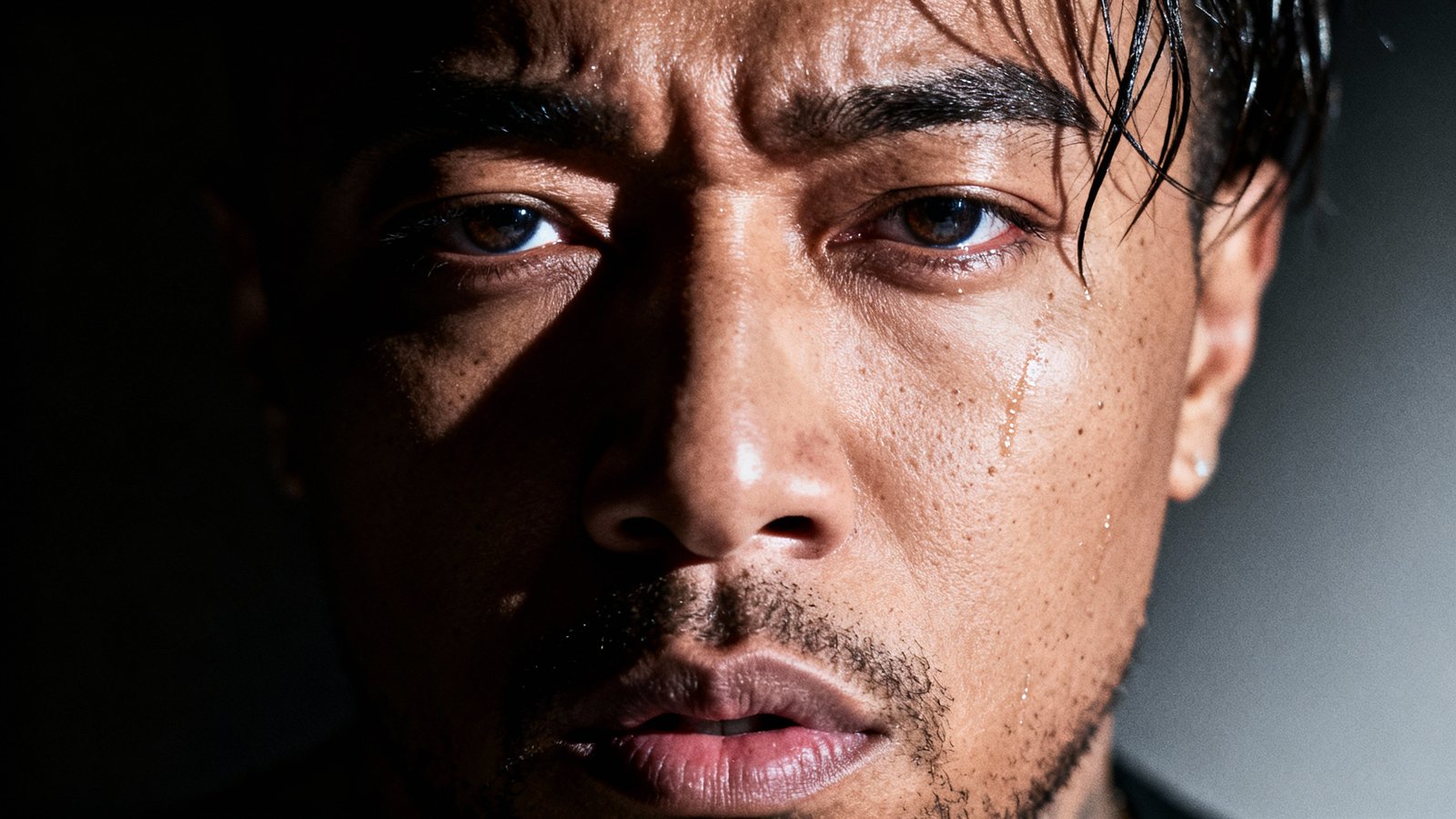
“I hate being Bi-Polar, it’s awesome.” That’s what Kanye West – Ye, if you’re nasty, or just keeping up – slapped on the cover of his 2018 album, Ye. And man, what a statement. It’s a gut punch, right? Because it’s exactly that kind of twisted, contradictory, brutally honest, and frankly, confusing sentiment that has defined so much of his very public battle with mental health.
That Album Cover, Man.
Look, when he dropped that album, it wasn’t just a new record. It was a whole damn declaration. Kanye, finally, explicitly telling the world he’d been diagnosed with bipolar disorder. Specifically, Type-1. And if you’ve been paying any attention at all over the last, oh, fifteen years, you probably thought, “Yeah, that tracks.”
I mean, the man’s career has been a rollercoaster. A brilliant, groundbreaking, frustrating, infuriating, sometimes heartbreaking, always-on-11 rollercoaster. From the genius of My Beautiful Dark Twisted Fantasy to the sudden, inexplicable political turns, the wild rants, the public feuds – it’s been a lot. A real lot. And for years, people speculated. Was it ego? Was it artistic temperament run wild? Was it just… Kanye being Kanye?
Turns out, there was a medical explanation humming beneath the surface. And that’s a big deal. Because it shifted the conversation, or at least it should have. It moved it from “What’s wrong with him?” to “What is he going through?” But the thing is, with Kanye, it’s never that simple, is it?
The Creativity Myth
Because almost immediately after revealing his diagnosis, he started talking about the medication. Or, more accurately, not taking the medication. You remember that tweet, right? “I cannot be on meds and make watch the throne level or dark fantasy level music.” He genuinely believed – or at least said he believed – that his meds stifled his creativity. That they took away the spark. The genius. The… awesome part of being bipolar.
And holy hell, if that isn’t the most frustrating, dangerous, and widely held misconception about mental health treatment, I don’t know what is. It’s this romanticized idea that suffering equals genius. That you have to be tortured to create something truly great. As if sanity is the enemy of art. It’s absolute garbage, if I’m being honest. And it’s a narrative that so many people, especially young, impressionable artists, cling to. It’s not just wrong, it’s actively harmful.
So, What Even Is Type-1?
Okay, let’s cut through the noise for a second. Because when people hear “bipolar,” they often think of mood swings – happy one minute, sad the next. And yeah, that’s part of it, but Type-1 is a whole different beast. This isn’t just being a little moody. This is big. Really big.
Essentially, bipolar type-1 is defined by manic episodes. We’re talking full-blown, clinical mania. And when I say mania, I don’t mean just feeling really good and energetic. I mean feeling invincible. Like you can do anything, literally anything. Like you don’t need sleep. Like your thoughts are racing so fast they’re brilliant, world-changing ideas. Like you’re the most powerful, important person in the room – or the world. You can be grandiose, impulsive, irritable, restless. It’s an elevated state that can feel amazing, truly intoxicating, but it’s also dangerous. It’s where you make huge, life-altering decisions without a second thought, blow through money, engage in risky behavior, or have paranoid delusions. And those episodes can last a week or more.
Then, after that high, often comes the crash. The depressive episodes. And these aren’t just feeling down. These are debilitating. Complete loss of interest, energy, hope. Sometimes for weeks or months. It’s a brutal cycle. And the manic part, the part that feels “awesome” to Ye? That’s the part that can make you feel like a god, but also the part that can utterly derail your life, your relationships, and your career.
“It’s like having two different people living inside you, each fighting for control, and neither one truly letting you rest.”
And without medication, without therapy, that cycle just keeps spinning. Faster and faster. So when Kanye said he couldn’t make “Watch the Throne level” music on meds, he was probably talking about the muted intensity, the dialed-back impulsivity that treatment brings. But that “intensity” can also lead to destructive behavior, public meltdowns, and alienating everyone around you. It’s a trade-off, sure, but a necessary one for stability.
The Public Fallout and Why It Matters
We’ve all seen the headlines. The increasingly erratic social media posts. The political statements that swung wildly. The public feuds, the custody drama with Kim – it’s been a constant, very public spectacle. And while you can’t blame everything on a diagnosis, it’s pretty hard to ignore the pattern, especially when he’s openly stated he stopped taking his medication.
Because when someone with Type-1 bipolar is unmedicated, the guardrails come off. The judgment can go out the window. The grandiosity takes over. What might seem like a “creative outburst” to some, or just “Kanye being Kanye” to others, can actually be a person in the throes of a serious medical episode. And that’s where the responsibility comes in. Not just for Kanye, but for all of us.
It’s not an excuse for harmful behavior, absolutely not. But it’s a crucial piece of context. It explains why some things happen. It highlights the desperate need for consistent treatment and support. And it shows, in the most high-profile way imaginable, the real-world consequences of living with a serious mental illness, especially when it’s not managed.
What This Actually Means
Look, I get it. Kanye is a polarizing figure. He’s done and said some genuinely awful things. And nobody is asking you to excuse that. But when we talk about his bipolar diagnosis, especially Type-1, we’re talking about something profound. It’s not a character flaw. It’s a medical condition. A brain disorder. And it’s one that, left untreated, can wreck lives – not just the person living with it, but everyone around them.
His story is a cautionary tale, really. It shows us the seductive pull of mania, the false promise of “enhanced” creativity, and the devastating impact of choosing not to treat a serious illness. It’s a reminder that mental health isn’t some abstract concept; it’s real, it’s physical, and it requires care. Just like a broken leg or a heart condition.
And frankly, it makes me wonder, if someone with his resources, his platform, his access to the best care in the world, struggles this publicly and profoundly, what about everyone else? What about the millions of people without the fame, without the money, trying to navigate this same brutal reality? His story, messy and complicated as it is, forces us to confront some uncomfortable truths about mental illness, stigma, and the very real fight for stability. It’s not just about Kanye. It’s about all of us, and how we choose to understand – or misunderstand – these struggles.