Wicked’s Dark Knight Twist: A Hero’s Sacrifice?
Okay, so I just saw Wicked: For Good, and my head’s still spinning, honestly. You go in expecting a certain kind of story-you know, good triumphs, love conquers all, all that jazz. But what actually unfolds, especially in those final moments? It’s something else entirely. It hit me like a ton of flying monkeys-this isn’t just a fairy tale. It’s got layers, real complexity, and frankly, some serious echoes of a certain Caped Crusader we all know and love. We’re talking The Dark Knight levels of moral ambiguity and sacrifice here. And if you haven’t seen it, maybe come back later, because spoilers are about to fly thicker than green skin dye.
Seriously, when the credits rolled, I wasn’t thinking about Glinda’s pretty dress or even Elphaba’s powerful voice. My mind instantly jumped to Batman, specifically how Nolan chose to end his iconic second film. That whole “hero Gotham deserves, but not the one it needs right now” vibe? Yeah, it’s all over For Good. It’s not a direct copy, obviously, but the thematic parallels are so strong, you almost have to wonder if it was a deliberate nod, or just a testament to universal storytelling archetypes. Either way, it’s pretty profound stuff for a musical, you know?
The Witch Gotham Didn’t Understand
Let’s get right to it. Elphaba, the Wicked Witch of the West-or rather, the woman who becomes known as her. The entire first film sets her up as the misunderstood outsider, the one whose power is feared, but who deep down, only wants to do good. She’s fighting for animal rights (those poor talking animals!), she’s fighting against systemic corruption, she’s trying to warn everyone about the Wizard’s duplicity. Classic hero stuff, right?
From Villain to Vigilante (Sort Of)
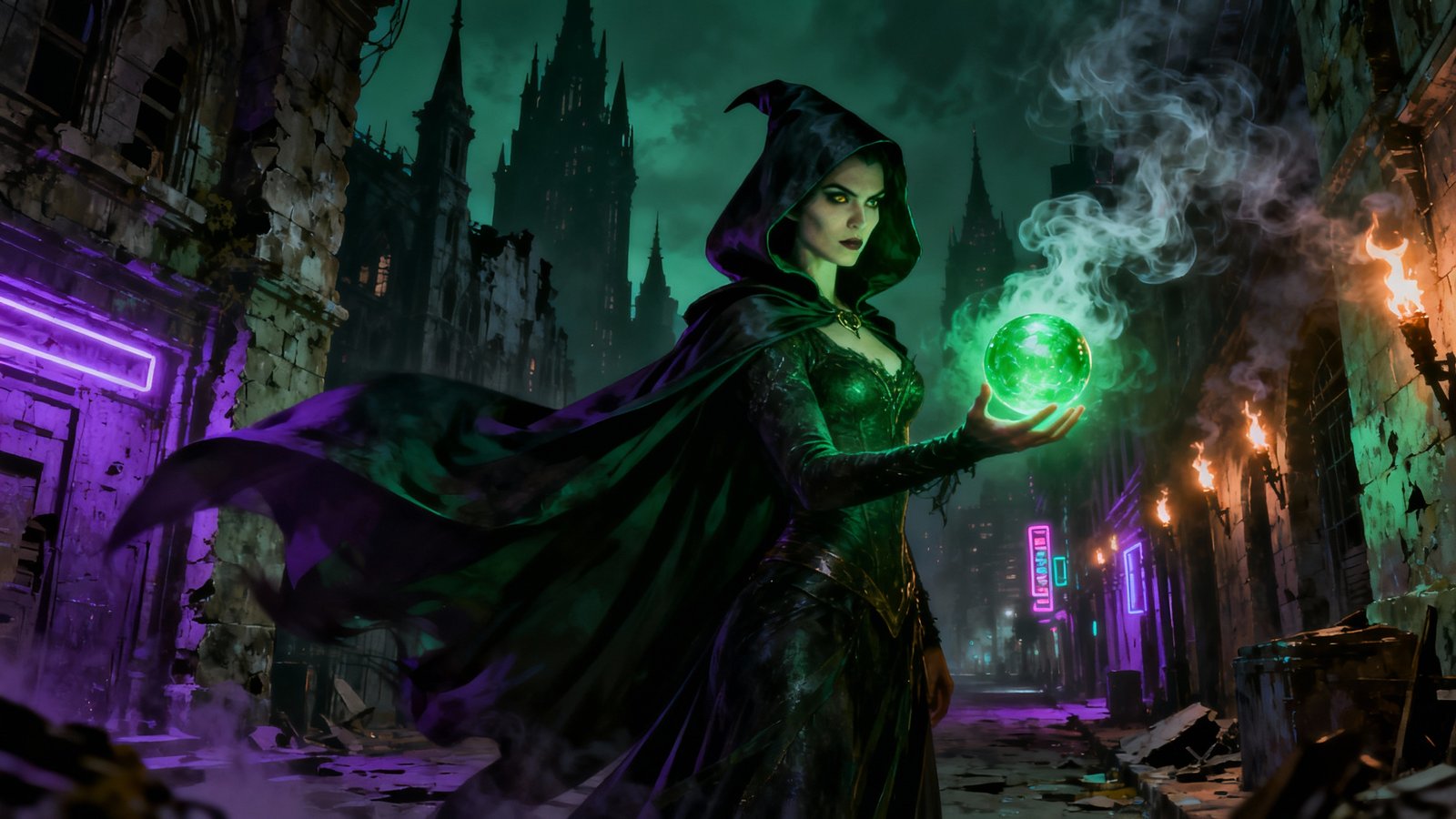
But by the end of For Good, after all the confrontations, the heartbreak, the very public shaming-she makes a choice. A truly gut-wrenching choice. She doesn’t just ride off into the sunset with Fiyero, leaving Oz to figure its own mess out. No, she actively embraces the persona of the “Wicked Witch.” She allows herself to be seen as the villain, even letting everyone believe she’s gone for good (heh, pun intended), all to protect those she loves and, inadvertently, to give Glinda the political capital she needs to truly make things better.
- Point: Elphaba fakes her death, retreating from public life, becoming a phantom.
- Insight: This is a classic “dark knight” move. A hero who operates from the shadows, allowing public scorn to fall upon them so that the light-Glinda-can shine without impediment.
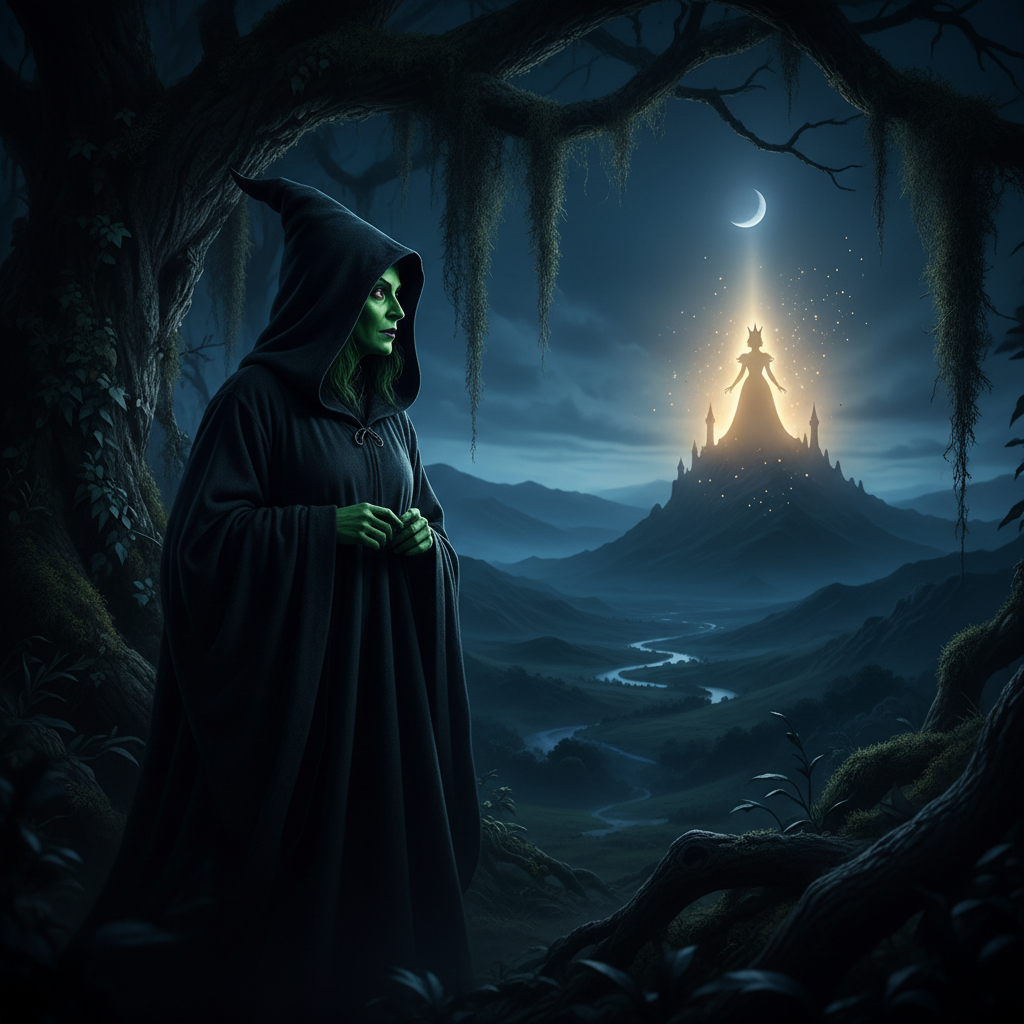
It’s not about escaping punishment; it’s about taking on the burden of it. She essentially sacrifices her personal reputation, her chance at being publicly lauded, for the greater good of Oz. She becomes the bogeyman, the convenient scapegoat, so that the true reforms can begin without her controversial presence derailing them.
“Sometimes the truth isn’t good enough, sometimes people deserve more. Sometimes people deserve to have their faith rewarded.” – James Gordon, The Dark Knight
Glinda’s Burden, Oz’s Future
And what about Glinda? This is where the parallels get even more stark. Glinda, as we know her, is the “Good Witch.” She’s poised to become an incredibly powerful figure in Oz, someone who can actually change policy, inspire hope, and dismantle the Wizard’s oppressive regime. But she can only do that if she has the public’s trust, if she’s seen as pure and untainted.
The White Knight’s Impossible Choice
Enter the Elphaba problem. If Elphaba, the “Wicked Witch,” were to be vindicated, if the truth of the Wizard’s crimes and her own heroic actions were to come out, it would basically shatter the foundation of Ozian society as they knew it. All that fear, all that hate directed at Elphaba, would suddenly turn into confusion, anger, and a complete loss of faith in their leaders. Glinda, in her newfound position, couldn’t steer that ship. Not effectively, anyway.
- Point: Glinda actively participates in maintaining the lie, letting Elphaba’s “wicked” public image stand.
- Insight: A tough pill to swallow, right? But it’s about pragmatism over principle, at least in the short term. She chooses public stability over immediate truth, much like Gordon protected Batman’s secret identity.
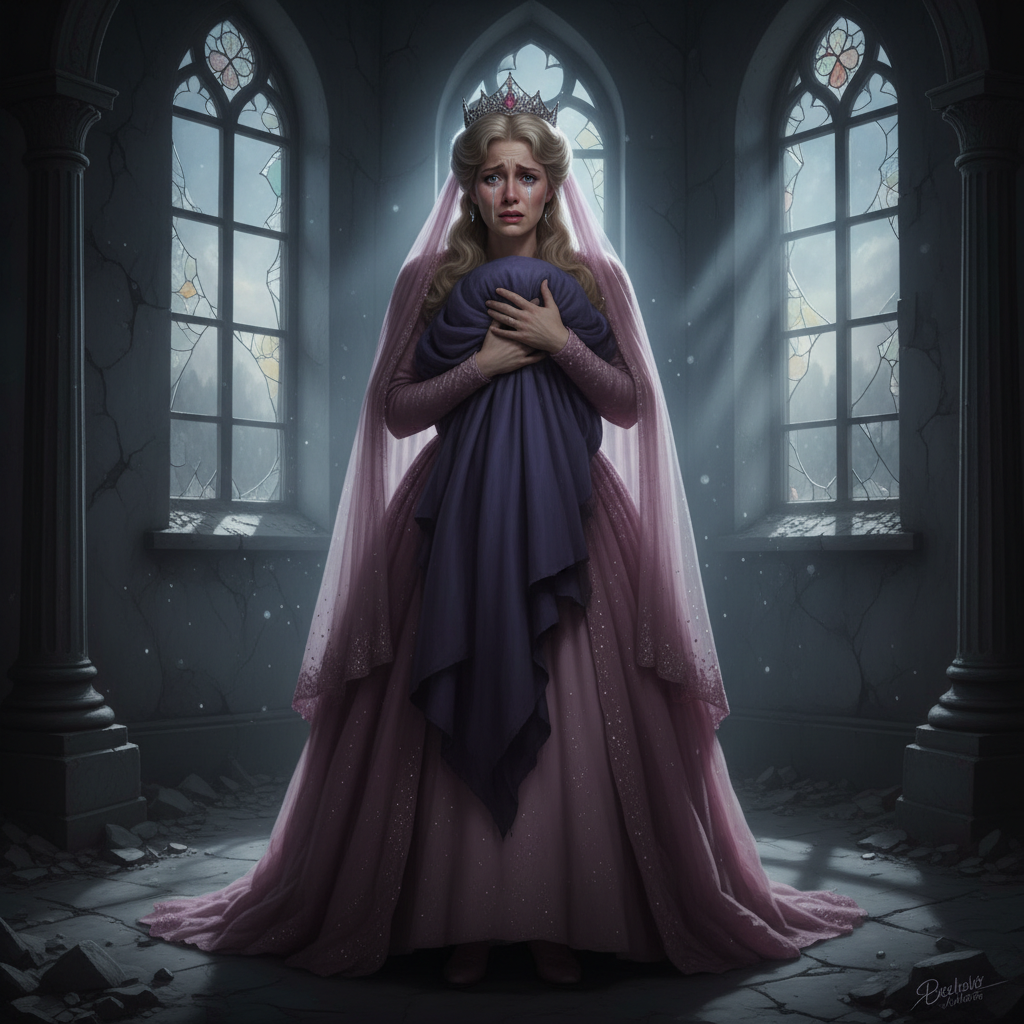
This is the tricky bit, the morally gray area that feels so human. Glinda knows the truth. She carries that heavy secret. But she also understands that for Oz to heal, for the animals to be freed, for the real change to happen, sometimes you have to let go of the full, unvarnished truth. Sometimes, a carefully constructed narrative, even if it’s partly a lie, serves a higher purpose. It’s not ideal, it’s messy, but it’s effective. It’s the kind of decision that only someone truly committed to their people, even if it means sacrificing a part of their own soul, would make.
Sacrifice, Reputation, and a Bittersweet End
So, we’re left with this lingering question, aren’t we? Is Elphaba’s “death” and subsequent hidden life with Fiyero a happy ending? For her personally, perhaps. She gets her love, her freedom from scrutiny. But the cost? She loses her voice in the public square, her chance to be recognized for the hero she truly is. She has to live with the ignominy. And Glinda? She gains power, but at what cost to her conscience? She has to bear the weight of that secret, knowing her best friend is out there, ostracized, largely because of a choice they both made for the greater good.
It’s the same difficult, slightly melancholic sweetness that pervades the end of The Dark Knight. Batman takes the fall for Harvey Dent’s crimes, becoming an enemy of the state, so that Dent’s image as the “White Knight” can remain intact, inspiring hope in a broken Gotham. The principle is uncannily similar: an outcast hero, misunderstood and vilified, sacrifices their public standing for the sake of the city’s psychological and political health, while a publicly acclaimed figure carries on their work, burdened by the truth.
It makes you wonder, doesn’t it? What’s more important-the truth, or what people need to believe to move forward? It’s a profound question woven into a seemingly whimsical tale. And that, for me, is the real magic of Wicked: For Good. It’s not just about defying gravity; it’s about defying simplistic notions of good and evil, and showing us that heroism often comes with ugly compromises and silent sacrifices. It leaves you feeling a bit heavy, a bit thoughtful, which is honestly, a huge win for a movie musical, if you ask me. What do you think? Did you feel those superhero vibes too?