
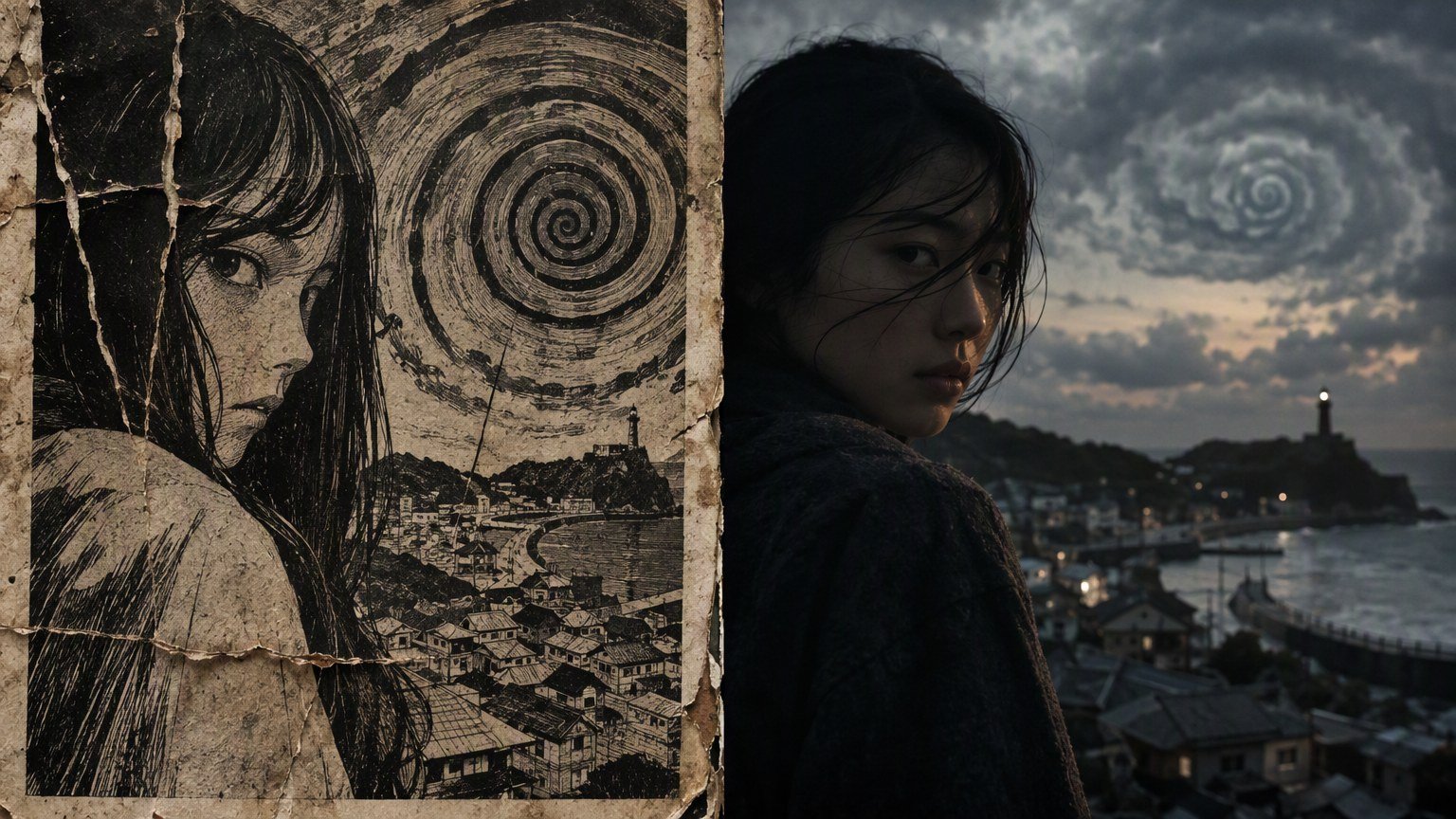
Look, I’m just going to say it – Junji Ito’s manga has been getting butchered in anime form for years, and we all just kind of… accepted it. But this new live-action HBO Max series? It’s doing something the animations never quite nailed. And I think I finally figured out why.
Look, I’m just going to say it – Junji Ito’s manga has been getting butchered in anime form for years, and we all just kind of… accepted it. But this new live-action HBO Max series? It’s doing something the animations never quite nailed. And I think I finally figured out why.
The Thing About Ito That Animation Keeps Missing
Strange: Junji Ito’s Tales for Sleepless Nights just dropped on HBO Max, and honestly, I wasn’t expecting much. The show aired in Japan this summer on TV Tokyo – 12 episodes of 30-minute horror bites adapted from Ito’s short manga works. We’ve been down this road before with Netflix’s Junji Ito Maniac and the older Junji Ito Collection, both of which were… fine? Serviceable? They had the imagery but somehow missed the dread. Speaking of production nightmares, The AI That Wiped a Season Hours Before Air shows what happens when technology goes wrong in even more catastrophic ways.
But here’s what’s different. Director Yûta Shimotsu and his team are working in live-action, and that changes everything when you’re dealing with Ito’s particular brand of body horror and reality-bending weirdness.

The first two episodes are up now – “Lovesickness (Part 1 of 3)” and “The Bully” – and New York Comic Con got an early screening of “Face Thief,” which is based on Ito’s story “The Face Burglar.” This one actually got adapted before as a Japanese TV movie back in 2000, so we’ve got something to compare it to.
What Actually Happens in “Face Thief”
The setup is classic Ito – take a mundane social anxiety and twist it into literal nightmare fuel. New girl Machida (played by Nanami Yamazaki) shows up at school and immediately gets latched onto by this overly friendly classmate named Kamei (Anna Hoshino). You know the type. Too eager, too close, kind of desperate in a way that makes you uncomfortable.
Except then Machida sees another girl who looks exactly like Kamei. And that girl insists they’re not related. Because – and I love how matter-of-fact this is – Kamei “befriends cute girls then steals their faces.”
Not metaphorically. Literally. Her face starts shifting during close conversations. She grows a third eyeball on her cheek to scare off some bullies. And the really disturbing part? Machida starts to bond with her anyway.
Why Does Live-Action Work Where Animation Didn’t?
Here’s my theory, and I’ve been thinking about this since I first read Uzumaki in high school. Ito’s horror isn’t really about monsters or supernatural threats. It’s about the uncanny – that deep unease when something familiar becomes wrong in a way you can’t quite articulate.
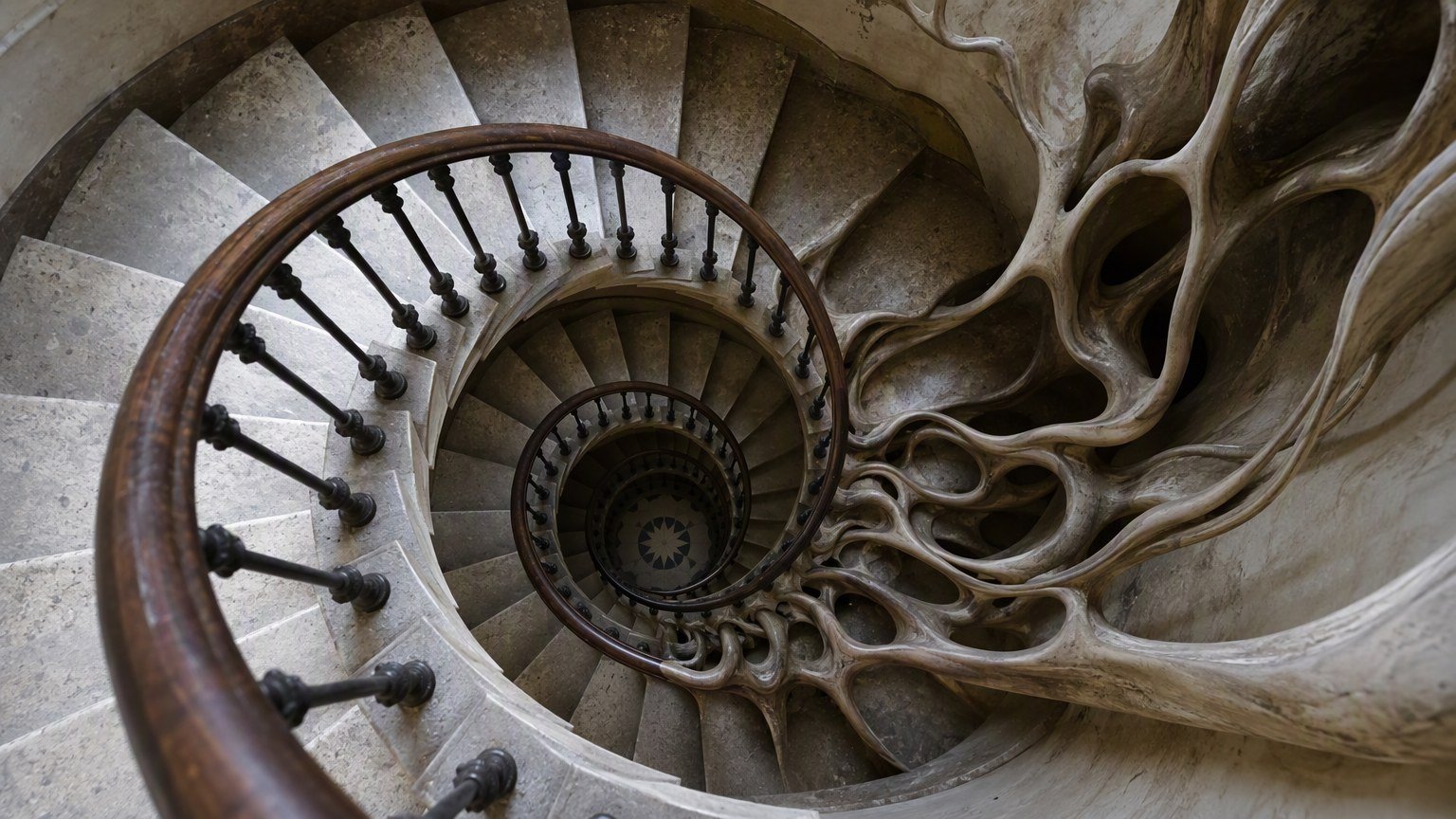
Animation, even good animation, starts from a place of unreality. Everything’s already drawn, already stylized, already one step removed from our world. When you animate a face melting or spirals appearing in someone’s eyes, it’s creepy, sure. But it doesn’t hit the same nerve because we expect cartoons to break reality’s rules.
Live-action though? You’re starting with real human faces, real skin, real physics. So when things start going wrong – when Kamei’s face begins to shift, when the proportions get just slightly off – your brain rejects it harder. It shouldn’t be possible, but there it is, happening to what looks like a real person in what looks like a real classroom.
“She befriends cute girls then steals their faces.”
Ito’s Whole Thing Is Blurring the Lines
Director Shimotsu mentioned something interesting about how Ito blurs the lines between protagonist and antagonist in these surreal nightmares. And that’s exactly what makes “Face Thief” work – and what makes it so deeply uncomfortable.
Because yeah, Kamei is literally stealing people’s identities and faces. She’s the threat. But she’s also lonely and bullied and kind of pathetic. And Machida, our supposed hero, isn’t exactly pure either. She’s judgmental, she’s disgusted by Kamei initially, and then – this is the genius part – she starts to warm up to her. Not in spite of the face-stealing thing, but almost because of it. Because Kamei used that power to protect her.
What do you do with that morally? Who are you supposed to root for? The show doesn’t tell you, and neither did Ito’s original manga. You just sit there feeling gross about the whole situation, which is exactly the point.
Is This Finally the Ito Adaptation We Deserved?
I’m trying not to get too hyped after just three episodes, but… I’m kind of hyped? Not gonna lie.
The Netflix anime adaptations felt like they were trying to be faithful to Ito’s art style, which sounds good on paper but meant everything looked stiff and overlit. They were too clean, too polished. Ito’s manga works because his scratchy, obsessive linework makes everything feel diseased and wrong. Animation tried to recreate that and ended up looking like a high-budget horror coloring book.
But Shimotsu seems to get that you can’t just copy Ito panel-for-panel. You have to find the emotional equivalent in a different medium. Use real actors, real locations, real lighting, and then introduce the wrongness gradually. Let the audience’s own expectations do half the work.
The casting helps too. Anna Hoshino as Kamei has this quality where she can flip between sympathetic and deeply unsettling in the same scene. You want to feel bad for her and you also want Machida to run away as fast as possible. That’s hard to pull off.
What This Actually Means for Horror Adaptations
Here’s the thing – and this applies way beyond just Junji Ito – sometimes the “faithful” adaptation isn’t the right move. Sometimes you need to betray the original’s form to honor its spirit.
Ito’s manga is scary because he takes the mundane and makes it monstrous. A spiral. A pretty girl who’s too pretty. A guy who’s really into his hair. The medium doesn’t matter as much as nailing that transition from normal to nightmare. And apparently it takes live-action humans to make us feel that transition in our gut instead of just observing it with our eyes.
HBO Max is dropping new episodes regularly, and if they maintain this quality… we might finally have an Ito adaptation that actually keeps people up at night. Twenty-some years of trying, and maybe we’ve finally cracked it. Not by being more faithful to the manga, but by understanding what made it terrifying in the first place. HBO's track record with book adaptations has been mixed lately – just look at The Secret Plot Lines Hidden in the Crazy Rich Asians Books to see how streaming platforms are rethinking what "faithful" really means.
Time will tell if the rest of the season holds up. But right now, with just these first few episodes? I’m sleeping with the lights on again. And I mean that as the highest compliment.