When Silence Speaks Volumes, And Not In A Good Way
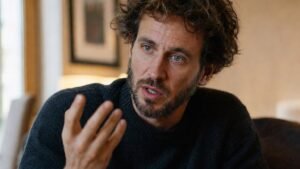
Let’s just get straight to it. Shandi Sullivan, from Season 2- she was almost the winner, remember? A lot of us certainly do. She’s talking about what happened during that infamous Italy trip back in 2004. And, not gonna lie, it’s pretty horrifying. She recounts going to a bunch of go-sees – those endless model auditions – all day long. Didn’t eat a thing, apparently. Then they go back to the house, and the locals, these guys who drove them around on Vespas, they’re there for dinner. And Shandi, she drinks. A lot. Two bottles of wine by herself, she says. Two bottles. On an empty stomach. And then, one of the drivers… well, it gets bad. She basically says she was sexually assaulted. On camera. While filming America’s Next Top Model.
And the thing is, parts of this, some version of this, actually made it to air back then. You saw Shandi, clearly distressed, talking about it. But the Netflix docuseries, which dropped on February 16, it re-examines the whole mess. And Shandi, now 43, is opening up even more about what was cut, what was downplayed, the whole nine yards. This is her story, raw and unvarnished, decades later. It’s a huge, incredibly painful part of the show’s legacy. It’s a moment that should demand full accountability, full discussion, from everyone involved. Especially the folks at the top.
But Tyra, Really?
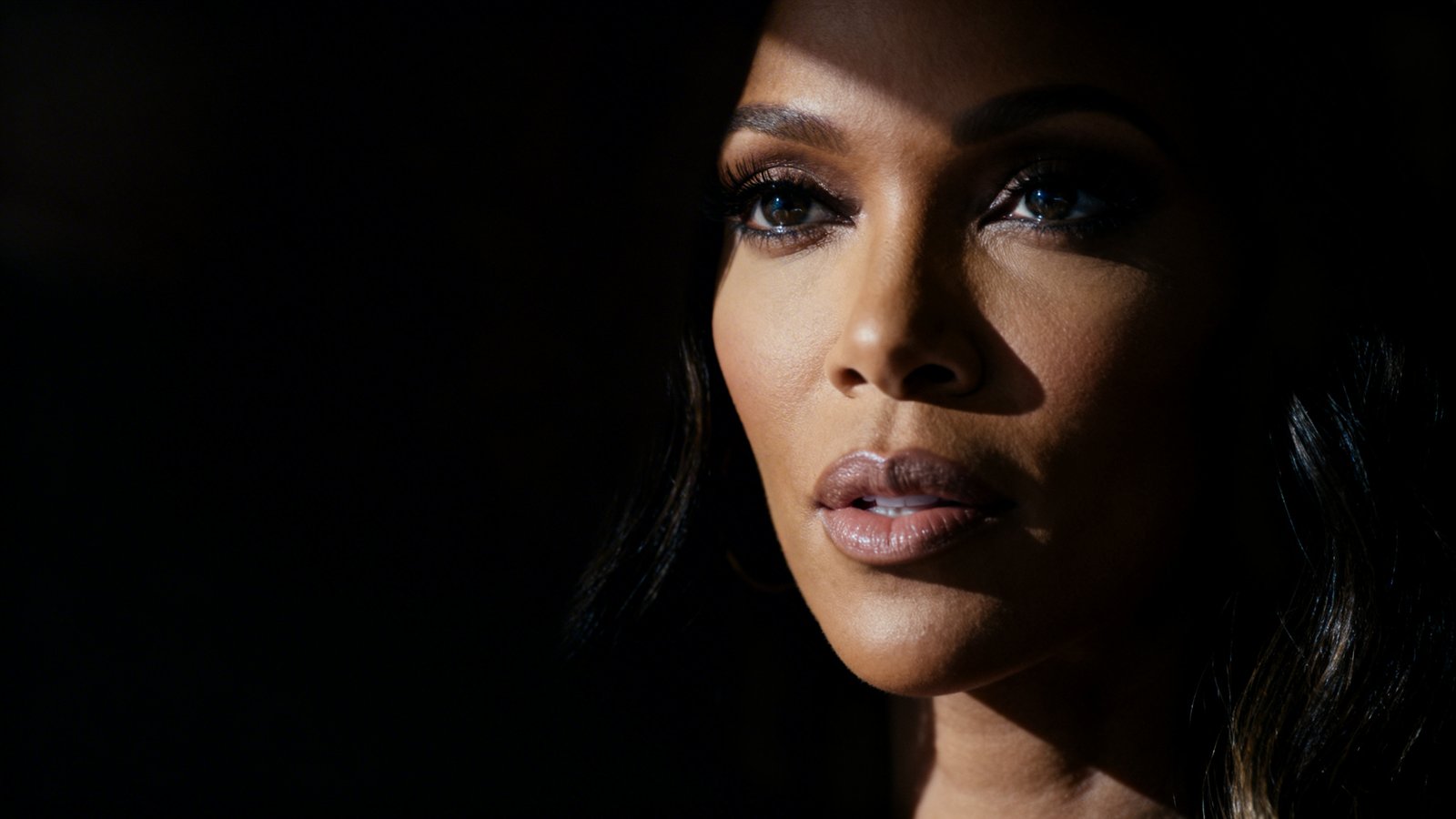
So, where’s Tyra in all this? The woman who helmed the ship for years, who was the face, the voice, the ultimate decision-maker for ANTM? Crickets. Absolute, deafening silence. The report says she “refused to discuss the incident.” Refused. Like it’s some minor wardrobe malfunction or a bad photoshoot concept she can just wave away. This wasn’t some minor snafu. This was a young woman, on your show, under your watch, allegedly assaulted. And you won’t even talk about it? I mean, come on.
What Do You Do When The Boss Won’t Talk?
Here’s what’s really grating, if I’m being honest. Tyra Banks has built an empire on ANTM. On empowerment, on fierce-ness, on making dreams come true. She was always the one telling these girls to own their stories, to be strong, to smize even when things were tough. But when a truly traumatic story emerges from her own show’s past, a story that highlights potential failures in contestant care and oversight- suddenly, the “America’s Next Top Model” machine goes quiet. It’s just… hypocritical, isn’t it? It feels like a convenient amnesia, a selective memory when it comes to the less flattering parts of the show’s history.
“When you create a platform, you own everything that happens on it, good or bad. You can’t just pick and choose which parts of your legacy you want to acknowledge.”
It’s not just about what happened to Shandi, though that’s the horrific core of it. It’s about the culture of reality TV, especially back then. How much were these young people protected? How much oversight was there? Were they really equipped to handle the pressures, the travel, the exposure to questionable situations, all while being filmed for entertainment? From what Shandi is saying, and from what we’ve heard about other reality shows from that era, the answer often seems to be, well, not enough. Not nearly enough.
What This Actually Means
Tyra Banks not discussing Shandi’s assault isn’t just a missed opportunity for transparency; it’s a pretty glaring sign that maybe, just maybe, the people at the top of these massive reality TV productions still aren’t ready to fully confront the darker side of what they created. It tells us that perhaps the “fierce” persona only extends so far, and when things get truly messy and uncomfortable, the instinct is to retreat.
And that’s a problem. Because for every Shandi Sullivan who bravely comes forward, there are probably countless others who never got to tell their story, or who felt silenced. When the person in charge refuses to even acknowledge it, it sends a message. It says, “We’d rather not revisit that, thanks.” And that message is loud and clear, and it’s not a good look. It doesn’t make me think of “smize” or “pot-le-dom.” It makes me think of evasion. And honestly? It’s kind of infuriating. You can’t just slap a “docuseries” label on something and then cherry-pick what you’re willing to talk about. Not when real lives and real trauma are involved. It’s time for some actual accountability, not just a slick re-packaging of old episodes.