The Great Photo Fiasco (and Why It Matters)
Look, here’s the thing. We live in an age where every single pixel, every shadow, every accidental background detail gets analyzed by a million internet sleuths with too much time and some pretty impressive Photoshop skills. And honestly? Good for them. Because sometimes, those sleuths catch things the official channels would rather keep under wraps.
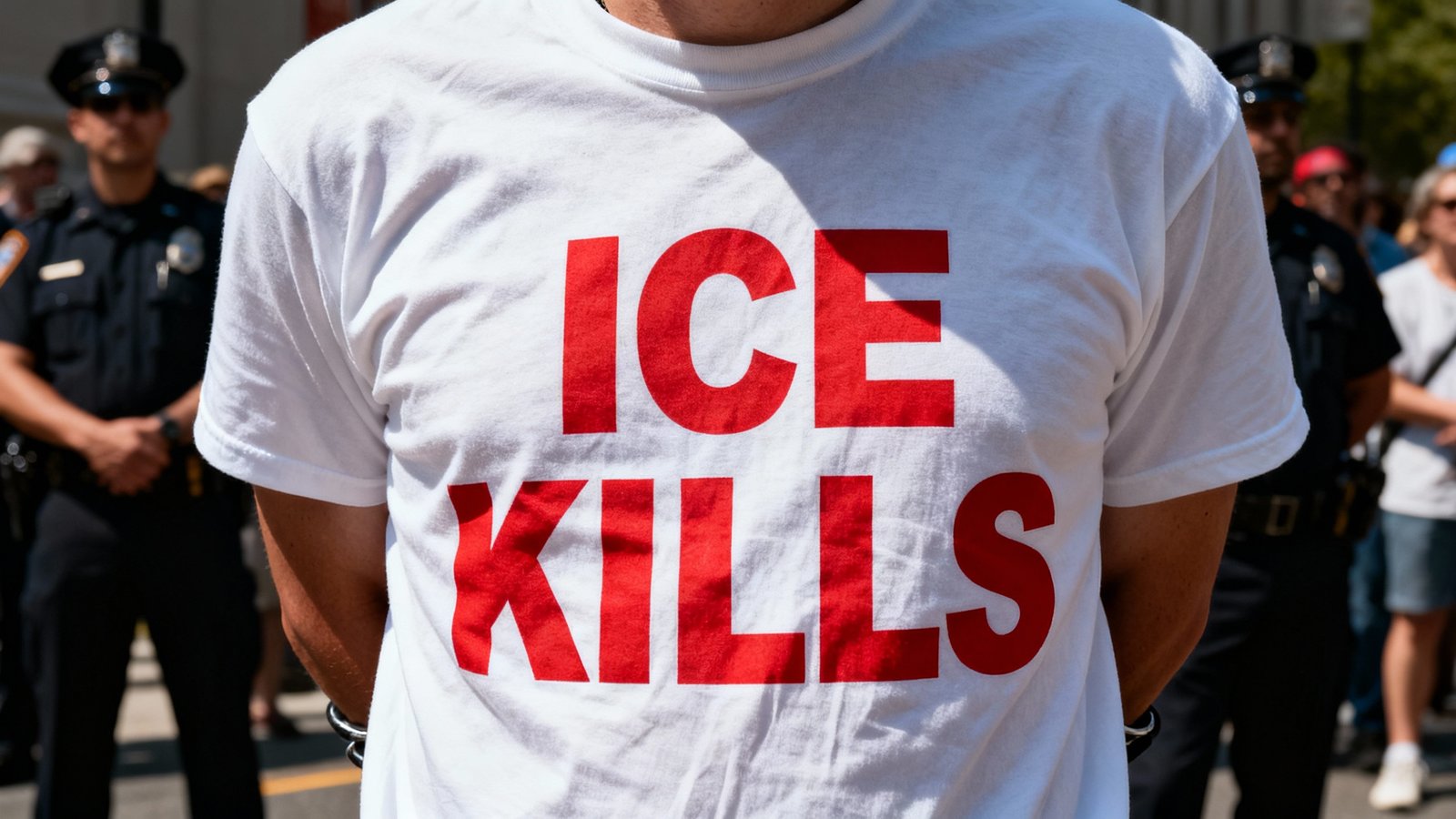
This whole kerfuffle started with an arrest photo. An ICE protester, being taken into custody. Pretty standard stuff, you might think. Just another day, another protest, another image. But then someone – probably someone with eagle eyes and a deep distrust of authority, which, you know, is fair – noticed something off. The photo, as released by official White House channels (Flickr, usually, because that’s where they dump everything), had been altered.
Not just, like, a minor color correction or a little crop. No, this was a deliberate blur. A smudge. Erasing details from the original image. Specifically, it looked like identifying information on the protester, maybe even some stuff on the officers, had been digitally removed. The official explanation? Oh, you know, “protecting privacy.” Because apparently, when you’re being publicly arrested at a protest, your privacy is paramount to the White House’s image managers. Give me a break.
The Internet’s Verdict: Nice Try, But No
Naturally, the internet did what the internet does best. It dug up the original, un-blurred photo. And then it started to compare. Side-by-side. Pixel-by-pixel. And the consensus was pretty swift: the White House wasn’t trying to protect anyone’s privacy. They were trying to sanitize the image. To make it less impactful. Less… meme-able, maybe? Less real.
And that’s where the best part comes in. The response from the digital peanut gallery. That little defiant shout: “the memes will continue.”
So, What’s the Big Deal, Anyway?
You might be thinking, “Who cares? It’s just a blur. It’s just a photo.” But that’s where you’d be missing the point, my friend. This isn’t just about one photo. It’s about control. It’s about narrative. And it’s about the ever-present, sometimes insidious, attempts by official bodies to manipulate what we see, what we believe, and ultimately, what we think.
“When an official source alters a public record, even a photograph, it erodes trust. It suggests there’s something to hide, even if it’s just an aesthetic choice. And in the age of misinformation, that’s a dangerous game to play.”
The White House, or whoever was running their digital image show that day, thought they could quietly scrub away some inconvenient details. They thought they could present a version of reality that was just a little bit tidier, a little less confrontational. They probably thought no one would notice. Or, if they did, they wouldn’t care.
What This Actually Means
This little incident, this blurred photo, it’s a microcosm of a much larger struggle. It’s the old guard – the institutions, the power structures, the ones who traditionally controlled the information flow – trying to grapple with a world where everyone’s a publisher, everyone’s a fact-checker, and everyone’s got an opinion (and a social media account to broadcast it).
It means they’re still trying to pull the wool over our eyes, even on the small stuff. And if they’re willing to do it on a publicly available photo, what else are they doing? What other “adjustments” are being made to the information we consume? This isn’t some grand conspiracy theory, it’s just a healthy dose of skepticism born from watching these patterns repeat. Over and over again.
And what it also means is that the internet, for all its faults – the toxicity, the echo chambers, the sheer volume of cat videos – still has a vital role to play. It’s a decentralized, chaotic, sometimes brilliant watchdog. It’s the collective eye that catches the blur, that finds the original, that calls out the spin.
So, yeah. They tried to blur it. They tried to make it go away. But the internet, and the memes, will absolutely, positively, continue. And maybe, just maybe, that’s a good thing for all of us.