





Look, I’m not gonna lie. When I saw the headline – “Wayfair Expert: 10 Genius Finds That Transform!” – my eyes probably did a little involuntary roll. January 2026, People.com, another listicle promising to change my life with a click. I mean, we’ve all been there, right? You click, you scroll, you see a bunch of stuff that’s “clever” but mostly just… furniture. But then, I kept reading, and honestly? Something actually caught my attention. Like, really caught it.
Okay, But Seriously, This Coffee Table Thing…
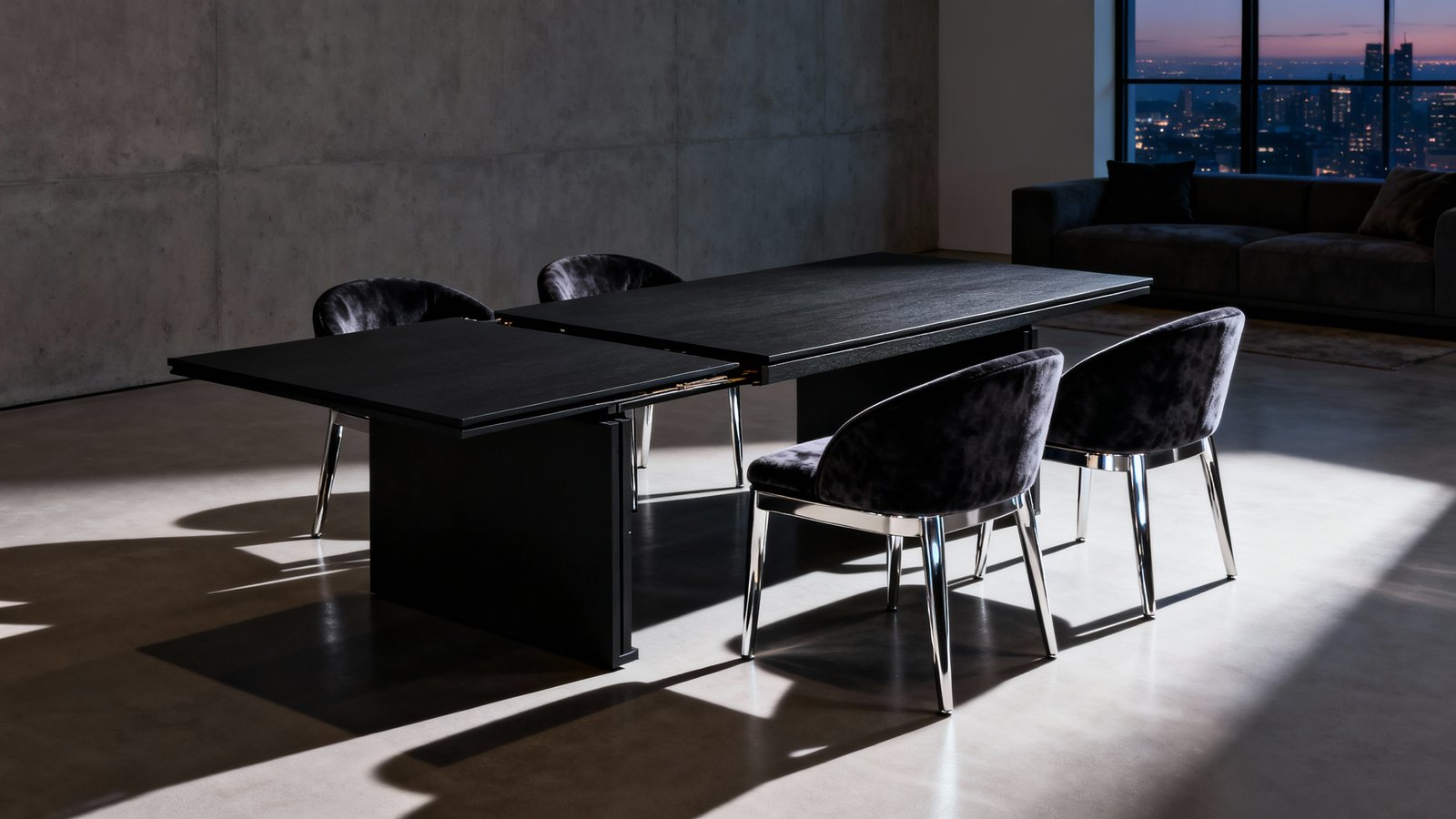
So, the big reveal, the thing that made me pause my endless doomscrolling? It was this coffee table. This transforming coffee table. Now, I’ve seen my share of convertible furniture over the years. Sofas that turn into beds (usually uncomfortable ones), bookshelves that hide secret compartments (always disappointing in real life). But this one? This thing goes from a perfectly normal-looking coffee table to, get this, convenient seating. Like, full-on, actual seating. For a couple of people, even.
And you know what? My first thought wasn’t “Oh, how quaint.” It was more like, “Damn, that’s actually pretty smart.” Because here’s the thing: we’re all living in smaller spaces these days, aren’t we? Apartments are shrinking, houses are getting packed in. Every square foot is precious, practically gold. And if you can have a piece of furniture that serves one purpose for 90% of the time, looking all stylish and unassuming, and then poof – instant extra chairs for game night or when your in-laws inevitably show up unannounced? That’s not just clever, that’s almost borderline genius. It really is.
The Real Estate Crunch, In Furniture Form
This isn’t just about a neat party trick, though. Not really. What this coffee table, and I’d bet a few of the other “transforming” finds on that Wayfair list, really represent is a symptom of something bigger. It’s the furniture industry’s answer to our ever-shrinking living situations. We want the functionality of a big house, but we’ve got the footprint of a studio apartment. So designers are basically playing Tetris with our living rooms, trying to cram in maximum utility into minimal space. And if that means my coffee table is secretly a bench, then, well, I guess I’m on board.
Are We Just Falling for Gimmicks, Or Is This Real?
Now, I’m a cynic, I’ll admit it. I’ve seen enough marketing hype to last a lifetime. So part of me wants to just dismiss this whole “transforming furniture” trend as another fad, another way to get us to buy stuff we probably don’t need. But the other part, the part that actually lives in a not-huge house and constantly battles clutter, thinks maybe there’s something to it. Maybe this isn’t just a gimmick.
“Sometimes the biggest design challenge isn’t what you buy, it’s how much you can fit.”
Think about it. We’ve been conditioned for decades to buy single-purpose items. A dining table is for eating. A coffee table is for, well, coffee and maybe magazines. A bed is for sleeping. But that model? It’s kind of breaking down when your dining room is also your home office, and your living room is also your guest bedroom, and your spare bedroom is actually just a glorified storage unit. So, furniture that can wear multiple hats, that can literally change its function depending on what you need at that exact moment? That’s not just a nice-to-have anymore. It’s becoming a necessity for a lot of people. Who cares if it folds up a bit weirdly once a month? If it means you can actually host a dinner party without renting extra chairs, it’s a win.
The Hidden Costs (And Benefits) of Flexibility
The thing is, this kind of innovation, it usually comes with a price tag, right? I mean, I haven’t looked up the exact cost of that specific Wayfair coffee table, but I can bet it’s not the cheapest thing on the site. And that’s the rub. The people who probably need these space-saving solutions the most – folks in starter homes, young renters, people trying to make it work in expensive cities – are often the ones who can least afford the premium for clever design. It’s a bit of a vicious cycle, if I’m being honest.
But on the flip side, if these pieces are well-made and durable, they could actually save you money in the long run. Instead of buying a separate console table, a couple of ottomans, and a coffee table, maybe you just buy one thing that does all three. Less stuff to buy, less stuff to store, less stuff to trip over. And that’s not just good for your wallet, it’s good for your sanity. I’ve seen enough “minimalist” trends that actually just mean buying really expensive, single-purpose items. This transforming stuff? It actually feels like it’s addressing a real-world problem, not just a lifestyle fantasy.
What This Actually Means
So, here’s my take. This “Wayfair Expert” and their list of transforming finds, especially that coffee table-to-seating number, it’s more than just a list of products. It’s a snapshot of where we’re headed. Our homes are going to become more dynamic, more adaptable. We’re going to demand more from every single item we bring into our space. And the furniture companies that figure out how to do that, affordably and stylishly, are going to be the ones that really win. The ones that don’t… well, they’ll just keep selling us giant, static pieces that don’t fit anywhere and just make us feel more cramped.
I mean, think about it. If your coffee table can be your extra seating, what else can your furniture do? Can your bed turn into a desk? Can your kitchen island disappear? The possibilities, frankly, are kind of exciting. We’re not just buying furniture anymore. We’re buying solutions to our spatial dilemmas. And if that means my living room has a few more secrets than it used to, I’m totally okay with that.



