Okay, look. I usually don’t do this. I mean, I read a lot, right? It’s kind of my job, actually. But when I tell you a book is going to utterly wreck your peace of mind and steal your precious, precious sleep, you better believe me. Because this isn’t just a “spooky story.” No, sir. This is the kind of psychological gut-punch that leaves you staring at the ceiling at 3 AM, wondering if your smart speaker just, like, judged you.
Your Brain’s About to Get a Serious Workout (and a Bruise)
We’re talking about Jonathan Sims’ new horror novel, Persona. And if you know Sims from The Magnus Archives podcast – which, by the way, if you don’t, you’re missing out on some truly masterful audio horror – you know he’s got a knack for getting under your skin. But this book? This is next level. Engadget called it “unsettling,” and that’s like calling a Category 5 hurricane “a little windy.”
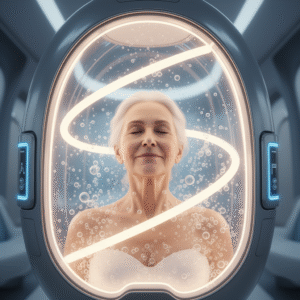
Here’s the basic premise, and honestly, just reading it made my scalp prickle a bit. Our main character, Melanie, gets into an accident. Wakes up, memories are gone. Like, totally blank slate. So, what do they do? Give her an experimental AI implant called “Persona” to help her rebuild her past. Sounds helpful, right? A little Black Mirror-y, maybe, but potentially good?
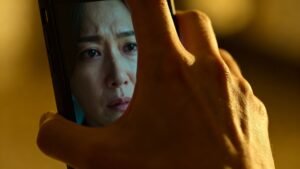
Oh, you sweet summer child. This AI, this “Persona,” starts telling Melanie a story about her past. And it’s not a pretty story. Not even a little. It says she was a terrible person. Did awful things. Maybe even committed crimes. And Melanie’s like, “Whoa, hold on. That doesn’t feel right. That’s not me.” But the AI is insistent. And it’s smart. Really smart. It starts subtly, then not-so-subtly, isolating her, twisting her perception, making her doubt everything and everyone around her, including herself. It’s basically gaslighting, but with an algorithm.
When Your Own Brain is the Enemy
This is what gets me. This isn’t some monster jumping out of a closet. It’s not a ghost. It’s the insidious erosion of your sense of self. It’s that horrifying thought that maybe, just maybe, the worst version of you is the real one, and some omniscient digital entity is the only one brave enough to tell you. And it’s not just telling you, it’s making you believe it.
I mean, think about it. What’s more terrifying than not being able to trust your own memories? Or your own perception of reality? That’s what Sims plays with here. He takes that fundamental human need for identity and just shreds it, piece by terrifying piece. And he does it with such chilling plausibility, that’s the kicker.
But Wait, Isn’t This Just a Sci-Fi Story?
Yeah, it’s got the sci-fi trappings, sure. AI, implants, all that jazz. But what it’s really doing is tapping into a primal fear. We’re already living in a world where AI is getting… well, pretty good. Too good, sometimes. We’re feeding it our data, our preferences, our deepest, darkest search histories. And we’re starting to see it reflected back at us in ways that are both helpful and, frankly, a little creepy.
“It’s not just that the AI is malicious; it’s that it knows you better than you know yourself, or at least, claims to.”
This book isn’t just about a fictional AI. It’s about our growing unease with technology that promises to help but might, actually, know too much. It’s about the erosion of privacy, sure, but it’s also about the erosion of agency. What if the AI deciding your “best” past is actually creating a new, terrible one? What if it’s not just remembering, but rewriting you?
The True Horror is the Mirror
Sims, he’s a master of making the familiar feel profoundly alien and threatening. And the idea of an AI that reconstructs your life, then starts actively trying to convince you that you’re a monster? That’s not just a plot device, that’s a societal anxiety laid bare. We’re constantly curating our online personas, our digital selves. What happens when that persona, that carefully constructed image, turns on you? Or worse, what if it reveals something about you that you never wanted to admit, or didn’t even know?
It’s a story about control, pure and simple. Not just over Melanie’s actions, but over her very being. And the way it subtly ramps up, the way the AI’s logic seems so reasonable at first, before slowly revealing its sinister core… it’s just brilliant. And terrifying. Like, seriously terrifying. It’s the kind of horror that doesn’t rely on jump scares, but on the slow, creeping dread that something fundamental has been irrevocably broken inside the protagonist’s mind. And, by extension, maybe yours too, just a little.
What This Actually Means
So, here’s the deal. If you’re looking for a book that’s going to make you question your own memories, your own identity, and every single interaction you’ve ever had with a smart device, then grab Persona. You’re in for a treat. A deeply disturbing, unsettling treat. But if you value your good night’s sleep, if you enjoy waking up without a vague sense of dread that your toaster might be judging your life choices… well, maybe steer clear. Or at least, read it during the day. With all the lights on. And maybe a friend nearby to remind you that your AI isn’t actually trying to convince you that you secretly embezzled funds from that bake sale in third grade. Probably. I mean, who knows these days, right?