
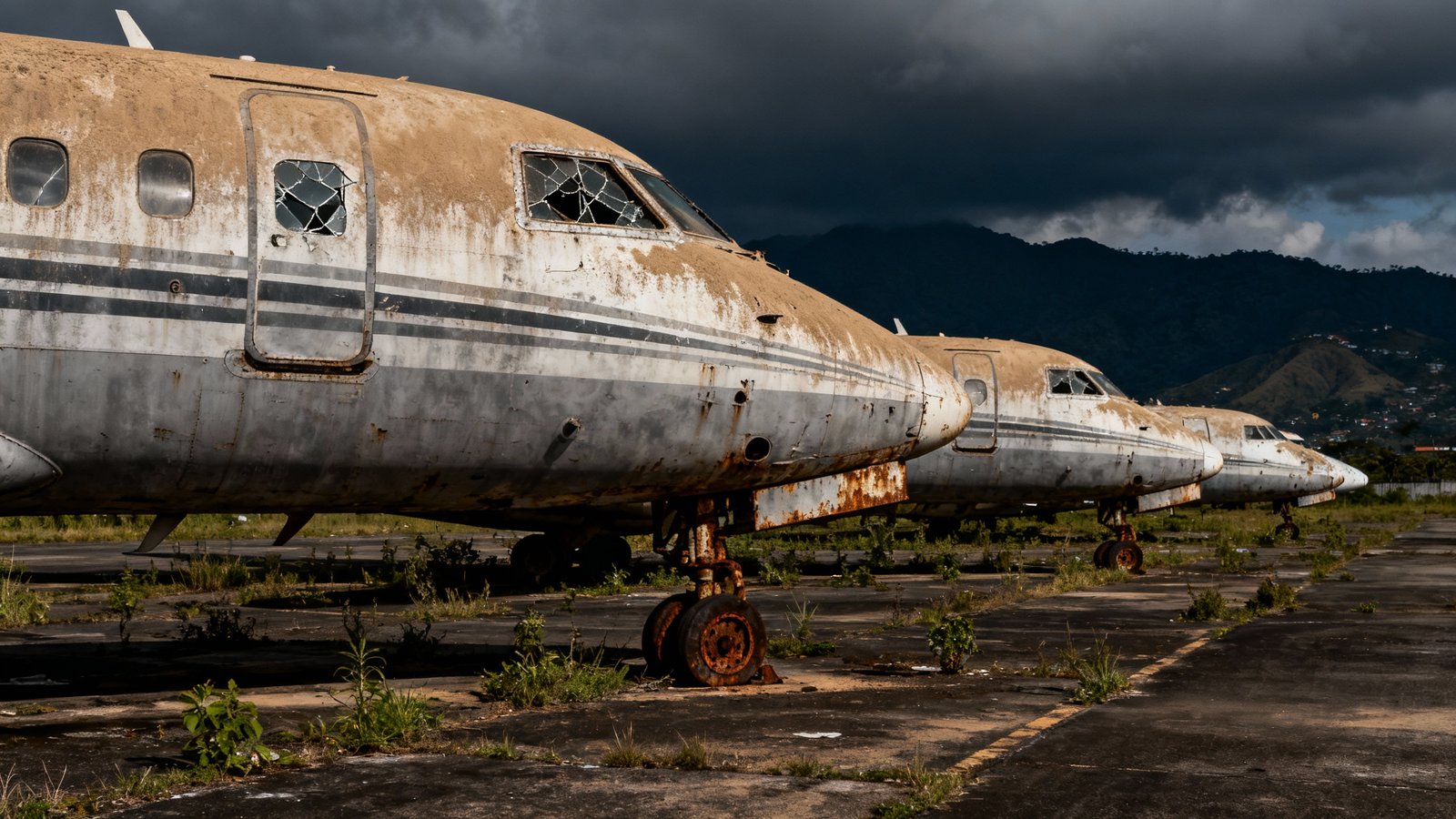
Venezuela’s Air War: Six Airlines Grounded!
So, imagine you’re planning a trip, right? You’ve got your bags packed, your itinerary all sorted, maybe even a little excited about those tiny airplane pretzels. Then, BAM! Your airline, along with five others, just got told “Thanks, but no thanks” by an entire country. That’s pretty much what just happened in Venezuela, and it’s not because someone forgot to stamp a passport. No, this is bigger. This is geopolitical Chess, but with airplanes instead of bishops.
Venezuela has unilaterally revoked the flight rights for six airlines, basically telling them to pack up their wings and go home. And you know, it’s not just a commercial spat. This move is deeply- and I mean deeply- intertwined with the whole swirling drama of US-Venezuelan relations, which, let’s be honest, have been tense for, well, seemingly forever.
Who Got the Boot and Why It Matters
Okay, so who are the unlucky six? We’re talking LASER Airlines, Avior Airlines, and CONVIASA, which are Venezuelan carriers. Then there’s Estelar, a Spanish-Venezuelan hybrid, and Aruba Airlines and Wingo, both foreign. Now, you might think, “Why these specific guys?” That’s a good question, and honestly, the official line is a bit murky- it’s wrapped up in talk of “operational irregularities” and licensing issues. But come on, six major airlines all suddenly having “irregularities” at the same time? Sounds a bit too… convenient, doesn’t it?
The Sanctions Story We Can’t Ignore
Here’s where it gets interesting, and kinda complicated. The US has had a whole slew of sanctions slapped on Venezuela for years now, largely targeting the Maduro government and its various entities. And surprise surprise, many of these grounded airlines, particularly the Venezuelan ones, have been accused by the US of either being state-owned or -operated, or of somehow aiding the Maduro regime. CONVIASA, for example, is actually on the US Treasury Department’s sanctions list. So, you see, the dots connect, even if Venezuela’s government isn’t drawing them publicly for us.
- Point: These grounded airlines represent a significant chunk of Venezuela’s international air travel capacity.
- Insight: This drastically limits the options for people trying to get in or out of Venezuela, making an already tough situation even tougher. It’s like suddenly half the bus routes in your city just vanished.
What This Means for Regular Folks (And Us)
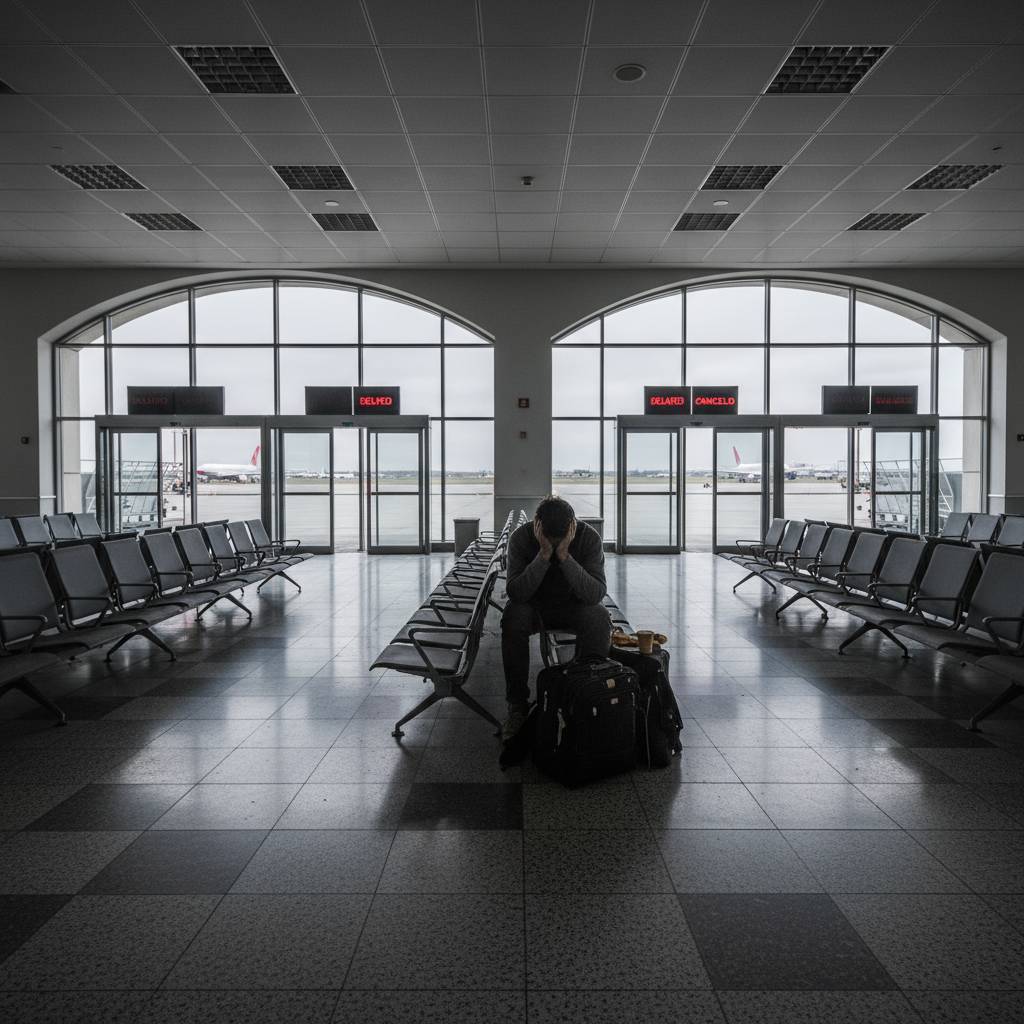
Alright, so beyond the geopolitical grandstanding, who actually feels this? Well, millions of people. Think about the Venezuelan diaspora- the folks who’ve had to leave their country for economic or political reasons. They rely on these flights to see family, send remittances, or simply just have a connection back home. Now, their already limited options for travel just got slashed. It’s a logistical nightmare, truly.
Flying Through the Loophole Maze
You’d think, “Oh, they’ll just find another airline, right?” It’s not that simple. Because of the US sanctions, many international airlines are super hesitant to fly into Venezuela. There’s this constant fear of running afoul of US regulations, getting hit with fines, or even having their planes seized. It’s a real deterrent. So, the airlines that were flying into Caracas were often those either willing to take the risk, or those that had found some kind of workaround, or, as the US alleged with CONVIASA, were essentially state-backed and thus part of the sanctioned apparatus anyway. Removing these specific airlines could be seen as Venezuela sort of- how do I put this- pre-emptively neutralizing US pressure, or maybe even consolidating control.
“This isn’t just about planes and passengers; it’s about control, leverage, and the enduring ripple effects of sanctions on everyday lives.”
The U.S. Angle: A War of Attrition?
From the US perspective, these sanctions are all about pressuring the Maduro government towards democratic reforms. Whether they’re actually effective, or if they just hurt the Venezuelan people more, is a whole other debate- a very heated one, in fact. But when you see an action like Venezuela grounding its own airlines, especially ones linked to US sanctions, it screams of a kind of cat-and-mouse game. It tells me that the pressure is acutely felt, and that Caracas is trying to navigate a very narrow path.
What’s Next for the Skies Over Caracas?
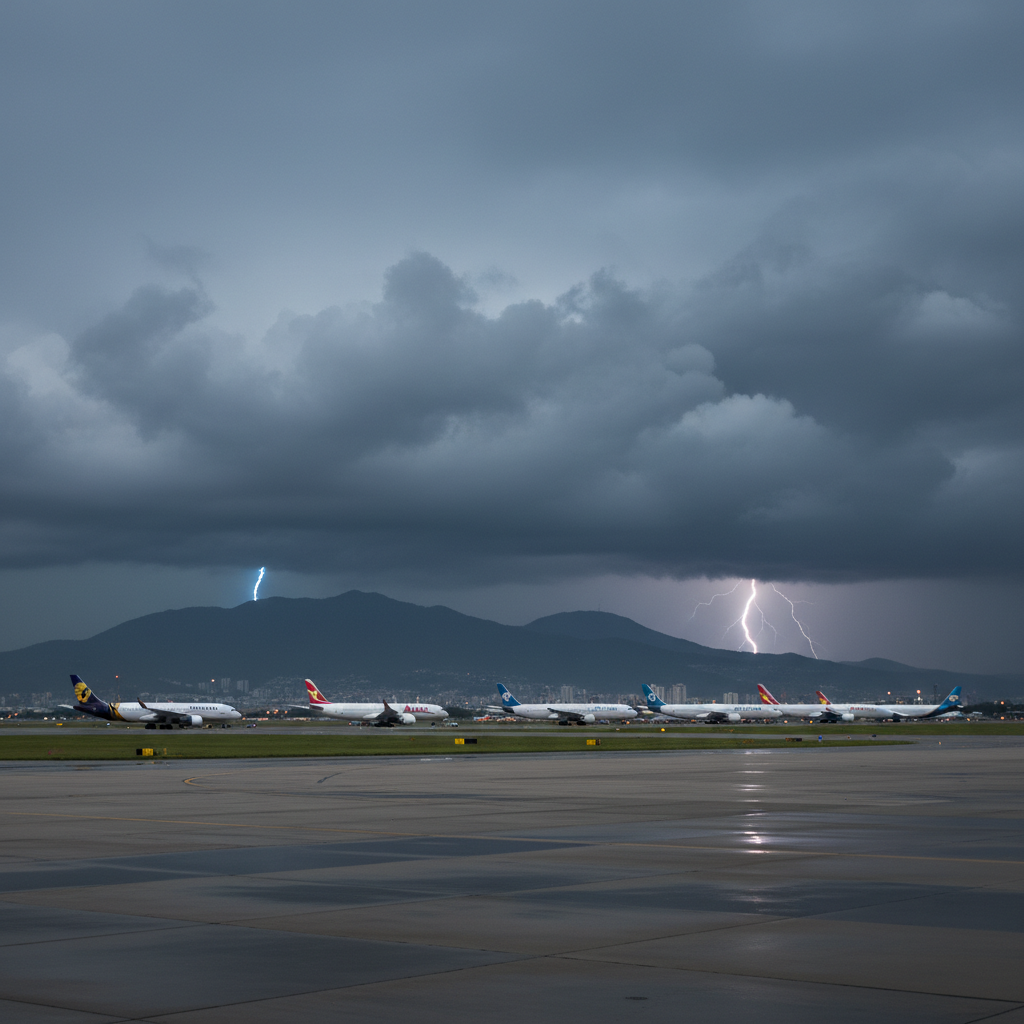
Honestly, it’s hard to say with any certainty. This situation is so fluid. Will other airlines step in to fill the void? Probably not with reckless abandon, given the risks. Will travel become even more expensive and arduous? Almost certainly. And will this actually lead to any meaningful change in the larger US-Venezuela standoff? Well, that’s the million-dollar question, isn’t it? My gut feeling is that this is another turn in a very long, very drawn-out saga. It’s frustrating to watch, especially when you think about the individuals caught in the middle of it all, just wanting to fly home or visit their loved ones.
So, six airlines grounded. Not just some bureaucratic hiccup, but a clear, unmistakable signal that the air war – both literally and metaphorically – over Venezuela is far from over. And for anyone hoping to catch a flight, the message is clear: it’s going to be a bumpy ride, if you can even find a seat.