Okay, so imagine you’re planning a trip, right? You’ve got your bags packed, maybe a new swimsuit, dreaming of those sandy Venezuelan beaches. You check your flight-and then BAM! Your airline, the one you booked, the one you’ve flown a million times, can’t fly there anymore. Not just your airline, but five others too. Overnight. Sounds like a plot from a spy movie, doesn’t it? But this isn’t fiction. This is exactly what just happened, and it’s kind of a big deal, especially if you’re trying to fly in or out of Venezuela.
Venezuela, out of the blue it seems, just revoked flight rights for six airlines. Six airlines! We’re talking mostly US-based, and that’s not exactly a coincidence, is it? This isn’t just about travel headaches, though there’ll be plenty of those. It’s a clear, very loud signal in an escalating diplomatic squabble, one that’s been bubbling for years.
Who Got Grounded and Why it Matters (Beyond Your Vacation)
So, which airlines are now basically grounded by Caracas? Spirit, Southwest, United-you know, the big names. Plus a few others that might not be on everyone’s radar but are significant for regional connections. The official line from Venezuela’s National Institute of Civil Aeronautics (INAC) mentions, rather vaguely, national interests.
Now, you might think, national interests-that’s just fancy talk for ‘we don’t like you right now,’
and you wouldn’t be entirely wrong. It’s a pretty heavy-handed move, a sort of commercial retaliation in an ongoing political chess match.
The Backdrop: A Long-Running Drama
Let’s be real-this isn’t some sudden, spontaneous outburst. The relationship between Venezuela and the United States has been, shall we say, strained for ages. We’re talking sanctions, political accusations, diplomatic spats-the whole nine yards. For years now, there’s been this low hum of tension, occasionally flaring up into something more dramatic. This latest move? It’s definitely a flare-up. It’s almost like a giant KEEP OUT
sign, but for airplanes.
- The Banned List: Spirit, Southwest, United, Laser Airlines, Avior Airlines, and Aserca Airlines. Notice the mix-some big US players, some Venezuelan carriers that were clearly connecting to the US. It’s not unilateral, which is kind of interesting in itself.
- The Timing: This isn’t random. It comes amidst renewed US sanctions and a general ramping up of pressure from Washington. It’s like Venezuela is saying,
Oh, you wanna play hardball? We can play too.
Or, maybe,We’re not going to be isolated quietly.
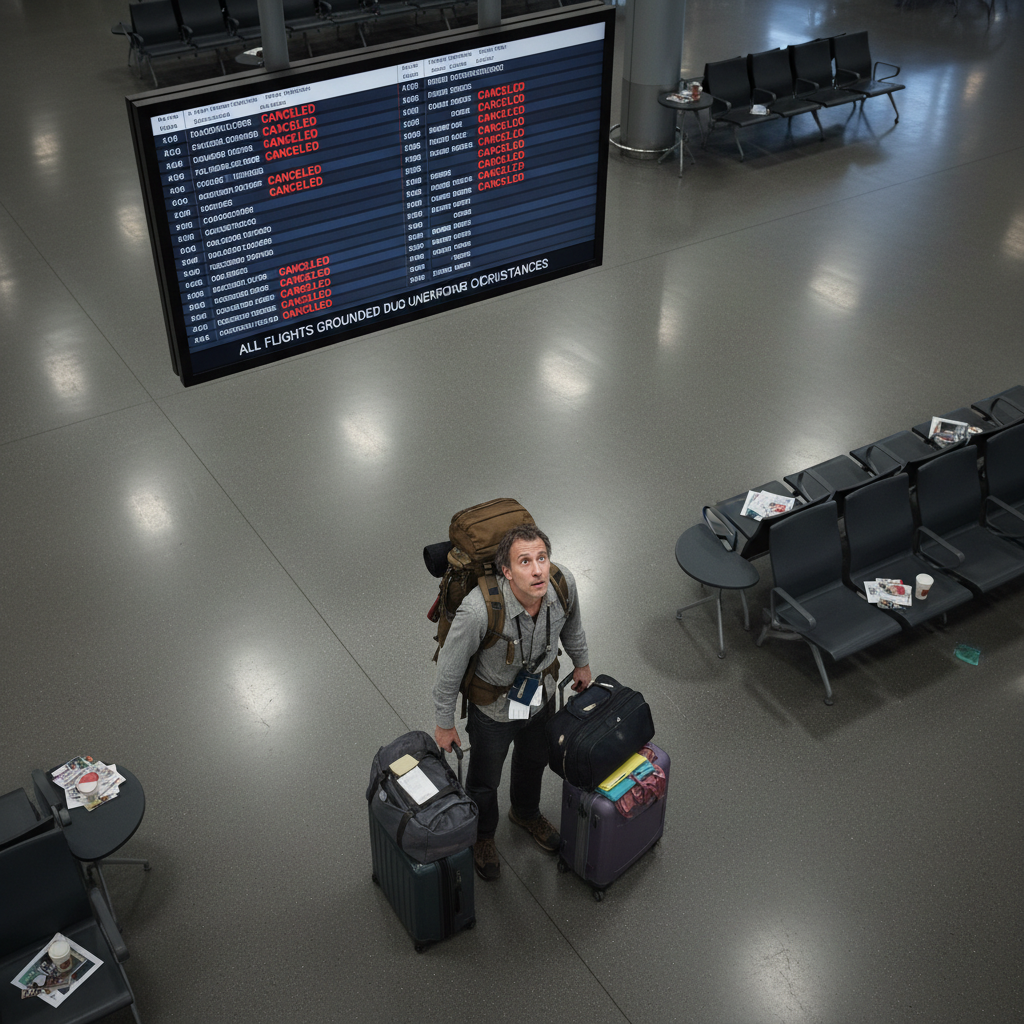
It creates instant chaos for travelers, no doubt about it. Imagine you’re a Venezuelan expat trying to get home, or an American with family there. Suddenly your tickets are useless, your plans are in tatters. It’s not just an inconvenience; it’s a real disruption to people’s lives. And that, of course, is part of the point-to make a statement, to exert pressure, even if it hurts their own citizens in the process. It’s a kind of political leverage, albeit a very blunt one.
“This isn’t just about aviation; it’s a symbolic act, a retaliatory measure that clearly shows the deep-seated political divisions at play between these nations.”
What This Means for the Future (And Your Wallet)
So, what’s the fallout? Well, first off, if you had a ticket on one of these airlines, you’re probably out of luck, at least for now. Airlines will likely offer refunds or rebooking options, but it’s a mess. Beyond the immediate travel woes, though, this move signals a further decoupling between the two countries. Less direct travel means less interaction, less commerce, less of those personal connections that, even in fraught times, can sometimes bridge divides.
A Shrinking Sky and Higher Prices
Fewer airlines flying to a destination inevitably means a few things: less competition, fewer direct routes, and almost certainly, higher prices for the remaining options. If you still want to get to Venezuela, you’ll probably be looking at circuitous routes through third countries, which adds time and money. It’s a classic supply-and-demand situation, but here it’s exacerbated by political decisions rather than market forces alone.
- Travel Hassle: Expect longer journeys, more layovers, and significantly increased costs for anything still flying into the country. It’s a real barrier now, not just a minor inconvenience.
- Economic Impact: Fewer international flights mean less tourism, less business travel, and a further isolating effect on Venezuela’s already struggling economy. It’s hitting them where it hurts, but it’s their own move, which is the peculiar thing here.
You can’t help but wonder if this is a calculated risk for Venezuela. Are they betting that the US will blink first, or is this simply a defiant act? It’s hard to say, but for us on the outside looking in, it certainly makes things more complicated. It also complicates humanitarian efforts, aid, and any sort of cultural exchange. Basically, it’s a step backward for everyone involved, especially the average person just trying to get around.
The Diplomatic Chess Match Continues
So, here we are. Six airlines grounded. Travelers scratching their heads, checking alternative routes, and probably cursing under their breath. This isn’t just about flight schedules; it’s a very public, very pointed message being sent from Caracas to Washington, and vice versa. It’s a reminder that even in our interconnected world, national interests-or perceived national interests-can still slam the doors shut, leaving us all to deal with the fallout.
It leaves you wondering, doesn’t it? What’s the endgame here? Will this lead to more dialogue, or just further entrench the positions of both sides? My gut tells me this is another ripple in a very long, very complex pond. For now, if you’re planning a Venezuelan getaway, you might want to double-check your airline and maybe pack a lot of patience. You’re probably going to need it.