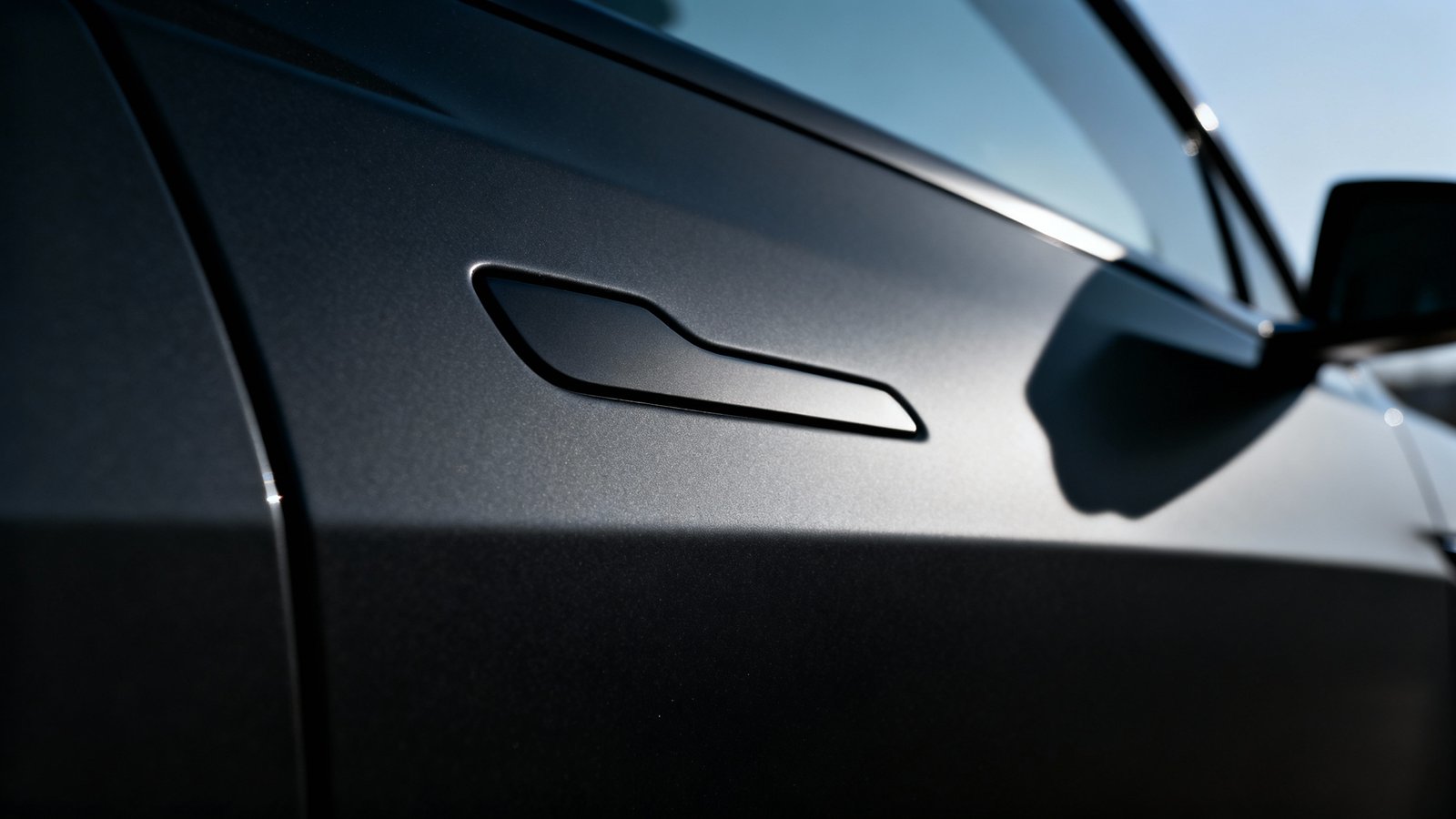
Okay, so, picture this: You’re in your car, maybe it’s a Tesla, maybe it’s some other fancy-pants electric vehicle with all the bells and whistles. You pull up to a curb, or maybe you’re in a parking lot, and you go to open the door, right? Except, instead of just pulling a handle like we’ve all done since, I don’t know, the dawn of cars, you’re pushing a button. Or maybe the handle pops out, or it’s recessed, or it’s doing some kind of futuristic dance. Pretty cool, right? High-tech. Swanky.
Well, turns out, some folks in Washington are looking at that swanky button-pushing, handle-hiding business and going, “Hold up a minute.” And they’re not saying it politely. They’re saying it with a bill. A bill that could basically tell car manufacturers, “Yeah, you know those cool, sleek, electronic door releases? Get rid of ’em. We want good old-fashioned mechanical handles. Like, yesterday.”
Your Tesla’s Door: A National Security Threat?
I mean, look, it’s not quite national security, but it feels like it’s getting that kind of intense scrutiny. The gist? A U.S. lawmaker, Rep. Sam Graves – and he’s a Republican from Missouri, for context – he’s cooking up legislation that would make manual door handles mandatory for all new cars. And let’s be honest, while he might say “all cars,” who do you think he’s really talking about? Yeah, you got it. Tesla. This thing has “targeting Tesla” written all over it, big as day.
The argument? Safety. Always safety. And I get it, really, I do. If there’s a crash, or a fire (and Teslas, for all their glory, have had their share of fire headlines, let’s not pretend they haven’t), and the power goes out, you don’t want people trapped in there, fumbling with a dead touchscreen trying to get a door open. That’s a nightmare scenario, no question.
But here’s the thing. This isn’t a new concern. People have been talking about Tesla’s door design – those flush handles, those electronic releases – for ages. Like, since the Model S came out. There have been anecdotes, some pretty gnarly ones, about first responders struggling to get people out of wrecked Teslas because they don’t know the trick to open the doors, or the power’s gone and the electronic release is dead. Tesla does have manual override levers inside, usually tucked away by the window controls, but they’re not exactly intuitive for someone panicking, or for someone who’s not the car owner.
Is This About Safety, Or Just… Tesla?
And that’s the rub, isn’t it? It’s not that the concern is totally unfounded. But it does feel a bit like, “Okay, now we’re gonna legislate a design choice that’s been around for a minute, specifically because one company made it really popular.” You know? It’s hard not to see it as a political jab, or at least, a highly specific regulatory reaction. It’s like, did we not think about this when the first car with a fancy electronic door latch rolled off the line? Or is it only a problem when it’s a Tesla doing it?
So, Are We All Going Back to Crank Windows Too?
I mean, where does it end? Seriously. We’ve been moving towards more and more electronic controls in cars for decades. Power windows, power seats, electronic parking brakes, keyless entry – hell, a lot of cars don’t even have physical keys anymore, just a fob you keep in your pocket. Are we gonna start legislating against all of that? Are we going to say, “No, no, no, you must have a manual crank for your windows, just in case the power goes out mid-hailstorm”? It starts to feel a little bit like regulating for the absolute worst-case scenario, every single time, even if it means stifling innovation and convenience that most people actually appreciate most of the time.
“It’s about common sense. When you’re in a wreck, you shouldn’t need a user manual to get out of your car. It’s basic human safety, plain and simple.”
And look, I agree with the sentiment of that quote. Nobody should need a manual to escape a burning car. But the question becomes: how do you balance that with progress? How do you ensure safety without turning every car into a bare-bones, stripped-down relic? Because, let’s be real, people like the sleekness. They like the tech. They like the doors that pop open with a gentle push, or retract seamlessly. It’s part of the appeal, especially for cars like Teslas that are trying to push boundaries.
What This Actually Means
Okay, so here’s my honest take on this whole thing. First off, this bill probably has a decent chance of gaining traction, especially with all the “safety first” rhetoric that’s easy to rally around. It’s a low-hanging fruit for lawmakers who want to show they’re “doing something” about perceived risks, even if those risks are, let’s say, not always the biggest problems facing drivers on a daily basis (hello, distracted driving, I’m looking at you).
If it passes, yeah, it means Tesla (and any other carmaker using similar electronic-primary door mechanisms) is gonna have to redesign their doors. Which is a pain in the ass, and expensive, and will probably slow down production or increase costs. For consumers, it probably means a slightly less sleek design, maybe a physical handle that pops out, or just a good old-fashioned lever you pull. Not the end of the world, I guess. But it does feel like a step back in terms of design freedom, and a bit of a heavy-handed approach to what could probably be solved with better standardization and clearer instructions for emergency responders.
Honestly, I wish the energy spent on this was also spent on, I don’t know, making sure all drivers know how to use the manual overrides in their current cars, or that emergency services are better trained on how to deal with all modern vehicle tech, not just singling out one brand. Because the truth is, every new piece of tech, every innovation, comes with a learning curve and potential unforeseen consequences. You can’t regulate away every single one of them without stopping progress dead in its tracks. And that, my friends, would be a real shame. We’ll see if this bill goes anywhere, but I’m betting it’s just the start of more of this kind of pushback against the future of car design. Get ready for some really boring doors, I guess…