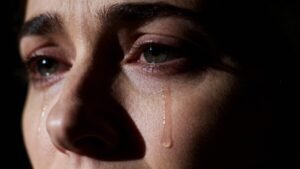
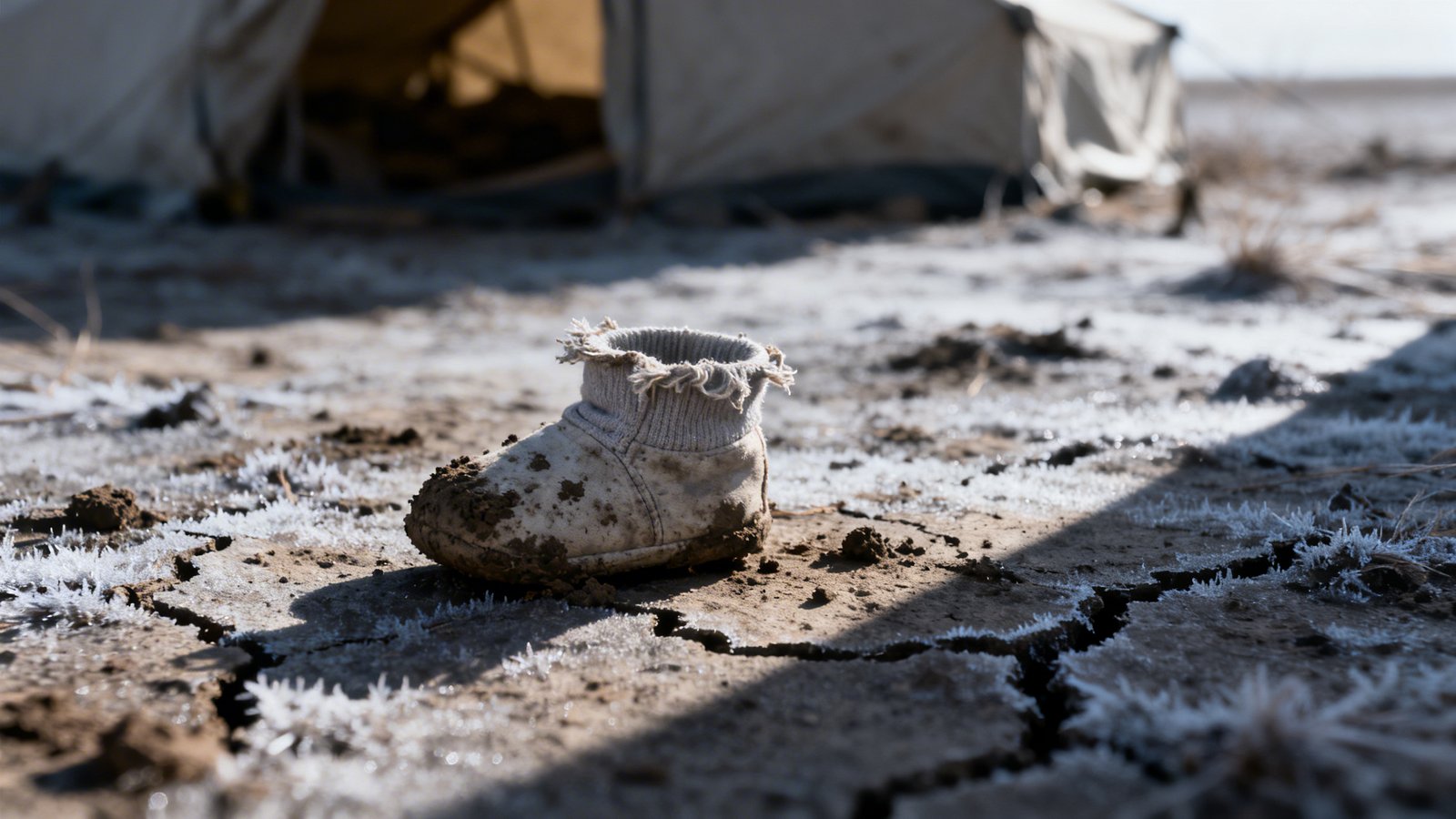
A baby died. A newborn, just days old, in a homeless camp in Oxnard, California. On February 8th. I mean, think about that for a second. In California. Not some war-torn, drought-stricken corner of the world, but right here, in a state that, for all its problems, still symbolizes a kind of prosperity, a dream for so many. And yet. A baby dies in a tent, or under a tarp, or who knows where exactly, but it was a camp. Just absolutely unthinkable.
“Unthinkable” Isn’t Even the Word
Look, when I got the news release from the Ventura County District Attorney, my first reaction was just this hollow feeling in my gut. Marisol Flores, 30 years old, facing a murder charge. And “assault on a child causing death.” She allegedly gave birth in a homeless camp on West Vineyard Avenue. On a Sunday. Sunday, February 8th. This wasn’t some cold case from years ago; this was just a couple of weeks back. It’s happening now. Right now.
The details, man, they just twist you up. Witnesses saw her pregnant around the camp a day before. Then, on the 8th, they see her again. Not pregnant anymore. No baby. And that’s it. That’s all we know about the sequence, from what the prosecutors are saying, before the charges dropped. It’s like a horror movie unfolding in real time, but it’s not a movie, is it? This is real life. This is someone’s baby. This is a person’s utterly desperate situation. It’s just… it’s too much.
You know, I’ve covered a lot of tough stories in my 15 years. Seen a lot of awful things. But a newborn dying like this? It’s a different kind of awful. It screams failure, doesn’t it? A failure of so many systems. Of humanity, honestly. Who, I mean, who is so utterly alone that they give birth in a homeless camp? And then, the baby is gone. Allegedly murdered. It’s a tragedy layered on top of a nightmare, on top of a crisis that we, as a society, keep pretending isn’t staring us right in the face.
The Invisible People
We talk about the “homeless problem” like it’s some abstract thing, right? A statistic. A blight on our urban landscape. But these are people. People with stories, with families, with pasts. And futures that, for some, like Marisol Flores, apparently spiral into something truly terrifying. It’s easy to walk past the tents, to avert your eyes from the people sleeping on the sidewalks. I get it. We all do it sometimes. But this, this forces you to look. To really, truly look.
Where Was the Safety Net? Or Was There Never One?
That’s the question that just keeps gnawing at me. Where was anyone? Where was the prenatal care? The social worker? The outreach worker? The friend, the family member, the stranger who just saw a very pregnant woman struggling? I’m not naive. I know resources are stretched thin. I know people fall through the cracks. But a pregnant woman? Giving birth in a camp? This isn’t a crack; it’s a gaping, cavernous hole in whatever safety net we claim to have.
“This isn’t just a crime; it’s a profound, heartbreaking indictment. An indictment of how far we’ve let people fall, and what that desperation can breed.”
And let’s be super clear here. I’m not excusing what Marisol Flores is accused of. Murder is murder. Especially of a helpless newborn. If the allegations are true, that’s an act of unimaginable horror. But here’s the thing: you can’t talk about the act without talking about the circumstances. You just can’t. Because those circumstances-the homelessness, the isolation, the sheer terror of it all-they’re part of the story too. A huge, ugly, vital part.
The Ugly Truth We Don’t Want to See
This isn’t just some isolated incident, you know? It’s a symptom. A really, really bad symptom of a much larger illness. We have more and more people living on the streets. Families. Kids. Pregnant women. And we have fewer and fewer places for them to go that are truly safe, truly supportive. We build shelters, sure, but are they enough? Do they address the mental health issues, the addiction, the trauma that often underpins homelessness?
I mean, think about the kind of mental and emotional state someone must be in to be pregnant, to carry a baby to term, while living in a camp. The stress. The fear. The exposure to the elements, to violence, to everything awful that comes with that existence. And then, to give birth, alone. It’s a primal nightmare. What happens in that moment? What kind of despair takes over? What kind of impossible, unthinkable choice is made, or forced, or just happens?
We’ve got all these programs, all these initiatives, all these grand pronouncements about ending homelessness. And then you read a story like this. And you realize, we’re not just failing. We’re failing spectacularly. We’re letting people live, and die, in conditions that should be absolutely unacceptable in a society like ours. And when a newborn baby dies in those conditions, whether by alleged murder or just sheer neglect and exposure, it screams something about us. About who we are, or who we’re becoming.
What This Actually Means
This story isn’t just about Marisol Flores and a newborn. It’s about every single person we walk past on the street. It’s about the fact that we’ve normalized seeing people sleep in tents. It’s about the quiet desperation that’s bubbling under the surface of our shiny, prosperous façade. And it’s about the fact that we can’t just throw up our hands and say, “Oh well, that’s sad.”
Because if we don’t fix this-if we don’t figure out how to catch people before they fall into such an abyss that a newborn baby’s life is tragically snuffed out in a homeless camp-then what does that say about us? What kind of future are we building? I don’t have all the answers, believe me. Nobody does. But I know this: ignoring it, pretending it’s not happening, or just slapping a murder charge on it without looking deeper… that’s not gonna cut it. Not for me. And it shouldn’t for you either.