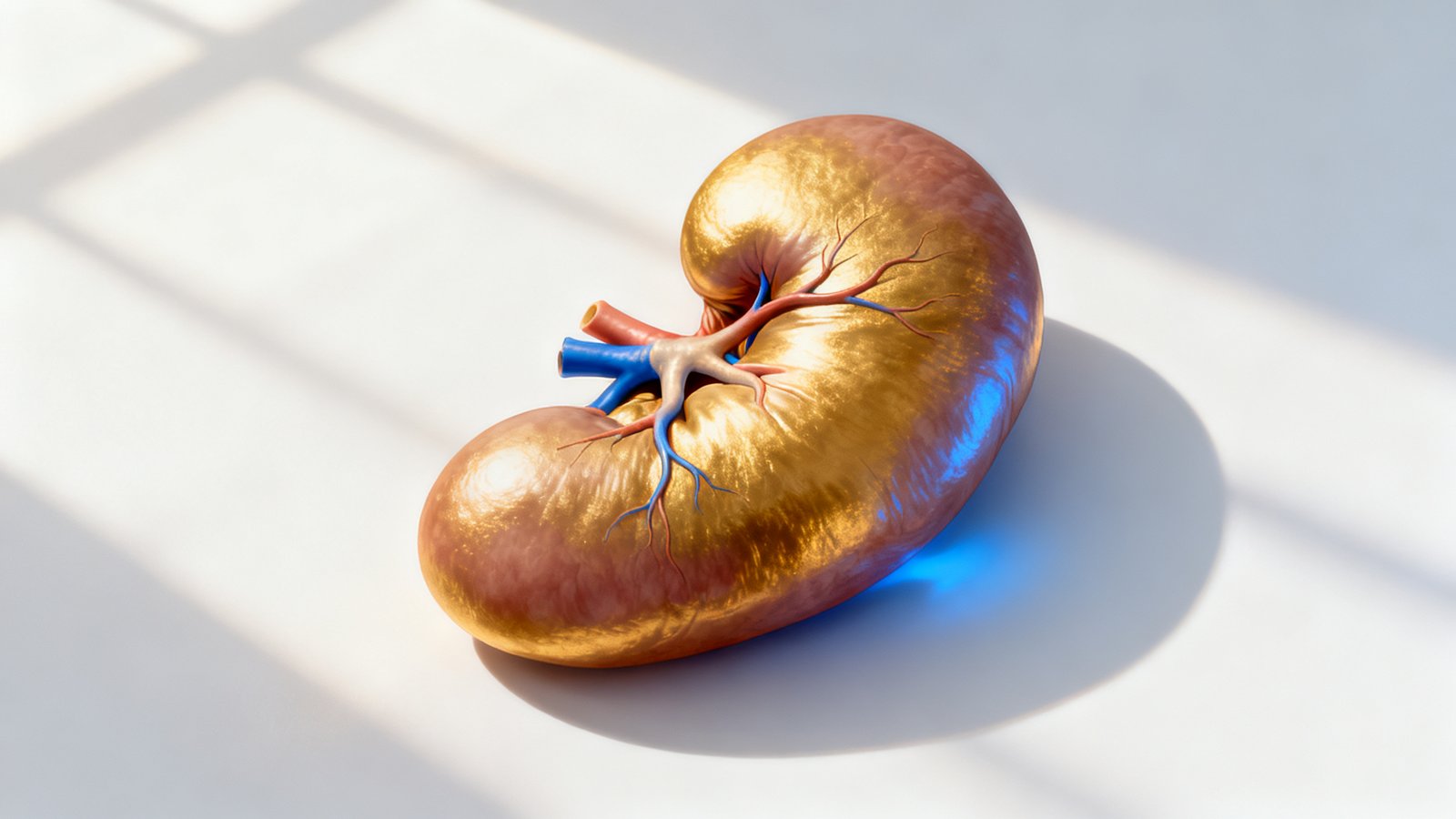
But then, you stumble across something like this. And you just gotta stop. Take a breath. Because this one? This is different. This isn’t just a “breakthrough.” This is a damn earthquake in the world of medicine.
Wait, Did They Just Say ‘Universal’ Kidney?
Yeah, they did. Universal. As in, one size fits all. Or rather, one type fits all blood types. For kidneys. If you’ve ever had a loved one on that terrifying organ donor waiting list – or hell, if you’ve just heard about it – you know what I’m talking about. It’s a brutal, agonizing game of chance. You’re literally waiting for someone to die, and then hoping against hope that their blood type, their tissue match, their whole genetic makeup, somehow aligns with yours. It’s like winning the lottery, but the prize is living. And the odds? They’re stacked against you something fierce.
The numbers are just soul-crushing. Tens of thousands of people, right now, are just… waiting. For a kidney. Dying, sometimes, before one ever comes. It’s not just about getting an organ; it’s about getting the right organ. Because if it’s not a match, your body just says, “Nope, intruder alert!” and kicks it out. Rejection. Immunosuppressants for life, just to trick your own body into not fighting itself. It’s a whole mess.
So, when I read that scientists-and yeah, this came from some smart folks at the University Health Network in Toronto, collaborating with others, not just some garage inventor-have found a way to convert any blood type of a donated kidney into a universal Type O? My jaw kinda hit the floor. Type O, for those of you who aren’t blood nerds, is the universal donor. Meaning, Type O blood can be given to anyone. And now, apparently, kidneys can too.
So, How’d They Pull This Off?
Here’s the thing. Blood types are basically about sugars on the surface of your red blood cells. And on organ cells too, as it turns out. A Type A person has A sugars. Type B has B sugars. Type AB has both. And Type O? It’s like the plain vanilla of blood types – no A or B sugars. Which is why it’s so chill, it can go anywhere.
What these scientists figured out, and it’s brilliant, really, is that they can use enzymes-think of them as tiny, super-specific biological scissors-to snip off those A and B sugars from the surface of a donated kidney. Just… gone. Poof. And what’s left? A Type O kidney. A universal kidney. It’s so simple, when you say it out loud, but getting there? That’s the kind of complex, painstaking work that deserves a Nobel, if you ask me.
And they’re not just guessing, either. They’ve used this enzyme treatment on human kidneys, in a machine that keeps the organ alive outside the body. And it worked. They saw the A and B antigens disappear. It’s not just theory; it’s happening.
But What About the Catch?
Okay, I know what you’re thinking. And yeah, I’m a journalist. I’m trained to be cynical. Where’s the fine print? The hidden “but”?
The biggest “but” right now, from what I can tell, is that this is still early days for human transplantation. They’ve shown it works on the organ outside the body. The next, massive step is putting these converted kidneys into actual people and seeing if the magic holds up. Does the body accept it? Does it function properly long-term? Do those A and B sugars ever decide to just… grow back? (Which, I mean, seems unlikely given how they’re removed, but you gotta ask, right?)
It’s going to take clinical trials. Years of them, probably. To make sure it’s safe, effective, and truly universal. But the potential… man, the potential is just mind-blowing.
“This is one of the biggest leaps in transplant medicine in a generation. It changes everything we thought we knew about matching.” – You could imagine some excited doctor saying something like that, couldn’t you? Because it’s true.
And look, I’m sure there are going to be a million ethical questions that pop up. Like, if every kidney can be used by anyone, does that change the criteria for who gets one first? Do we still prioritize by severity? By time on the list? By age? These are questions for bioethicists and policymakers, not just surgeons. But frankly, they’re good problems to have, if it means more people live.
The Bigger Picture – Beyond Just Kidneys
Think about this for a second. This isn’t just about kidneys. The principle here-removing blood type antigens to make an organ universal-could, theoretically, be applied to other organs. Livers, hearts, lungs. I mean, holy cow. That’s not just saving thousands; that’s potentially saving hundreds of thousands globally. It could fundamentally reshape how we think about organ donation, about waiting lists, about life and death itself.
It means that when an organ becomes available, it doesn’t have to be a mad scramble to find a specific match in a specific region. It could be a simple matter of getting it to the next person on the list, almost regardless of their blood type. The efficiency alone would be staggering. Fewer organs wasted. More lives saved. It’s almost too good to be true, and yet, here we are.
And yes, I know, the cynical part of me whispers about Big Pharma and how much these enzyme treatments will cost, and who profits. That’s a valid concern, always. But for now, just for a minute, let’s let the sheer, unadulterated hope of this thing sink in.
What This Actually Means
If this pans out, and I’m really, really pulling for it to pan out, this isn’t just a tweak to the system. This is a complete paradigm shift. It’s not just about a better chance; it’s about a real chance for so many people who currently have almost none. It’s about taking away one of the most frustrating, heart-wrenching barriers in modern medicine.
We’re probably still a few years, maybe even five or ten, away from this being standard practice in hospitals around the world. But the path is there. The proof of concept is strong. And for anyone who’s ever known the agony of waiting, or watched a family member fade away because the right match just never materialized, this isn’t just science. This is hope. Big, bright, shining hope.
And you know what? That’s pretty damn exciting. Makes you think, maybe some of those other “breakthroughs” might actually pan out too, eventually. But this one? This feels real. And if I’m being honest, it gives me goosebumps just thinking about it.