
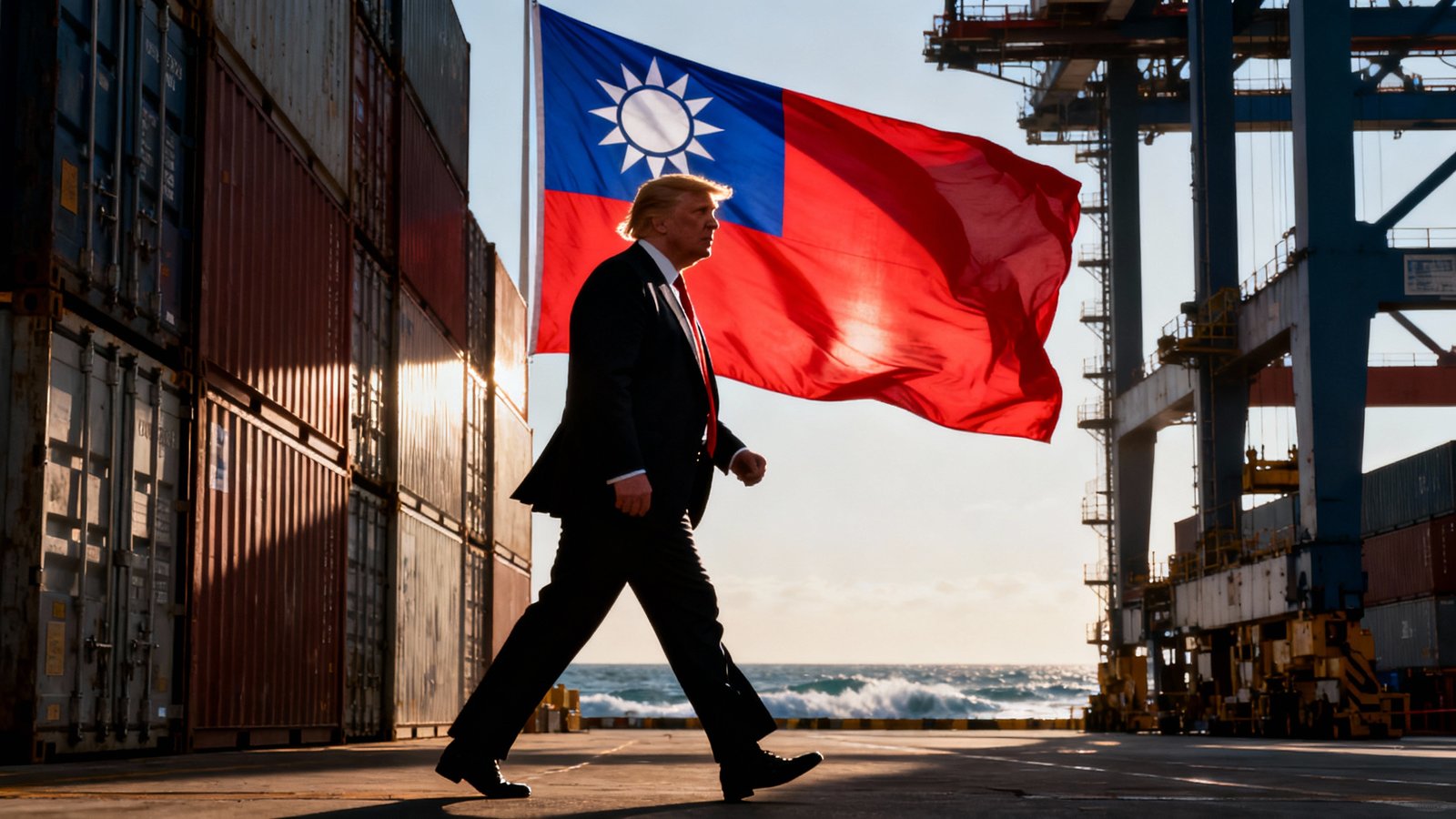
Okay, so listen, we all know the political world’s been a bit- well, let’s just say dynamic lately, right? And when Donald Trump’s name pops up, especially concerning trade, things tend to get interesting. Fast. Now, imagine this: his team, currently in the thick of things behind the scenes, is reportedly cooking up a trade deal with Taiwan. Not just any deal, mind you, but one that could actually mean American workers get some shiny new skills. That’s the scuttlebutt, anyway, straight from some anonymous sources close to the action, swirling around the digital corridors of power.
This isn’t just about tariffs and soybeans, folks. Oh no. This is about something way juicier. We’re talking about a potential shake-up that could redefine the US-Taiwan relationship, maybe even kick-start a whole new kind of industrial policy back home. It’s an idea that, on the surface, feels a little bit like mixing oil and water- a conservative, “America First” approach cozying up to a global trade partner in a way that directly benefits our own workforce development. Wild, right? But here we are, navigating these peculiar waters.
The Great Skill-Up Gambit: What’s the Play?
Here’s where it gets interesting, and frankly, a bit brilliant, if you think about it from a certain angle. The core of this rumored deal isn’t just about slapping duties on imports or opening markets. It’s apparently got a human-centric twist. We’re hearing whispers- more like shouts, if you’re tuned into the right channels- that a key component involves Taiwan, a global-tech powerhouse, helping to train American workers. Think about that for a second. Taiwan, home to TSMC, basically the unsung hero that makes all our fancy gadgets hum, potentially sharing its industrial know-how with us.
From Chips to Chops: The Training Angle
You know, for years, we’ve watched manufacturing jobs ebb and flow, sometimes feeling like they’re draining right out of our country. And with automation and AI picking up speed, the kind of jobs people need to do, well, they’re changing. This isn’t just about factory lines anymore; it’s about high-tech skills. Precision. Engineering. All the stuff that makes modern life tick. So, the idea of Taiwan- a master of these trades- lending a hand to get our workforce up to speed isn’t just a political talking point. It’s a genuine strategy to try and bridge that skills gap we’ve been hearing about for ages.
- The Silicon Shield: Taiwan’s economic prowess, especially in semiconductors, is often called its “silicon shield.” It’s their geopolitical leverage, basically.
- Skill Transfer: This proposed deal seems to flip the script, turning that shield partly into a knowledge transfer mechanism. Imagine American technicians being trained in the very specific, cutting-edge processes that make those tiny-but-mighty chips.
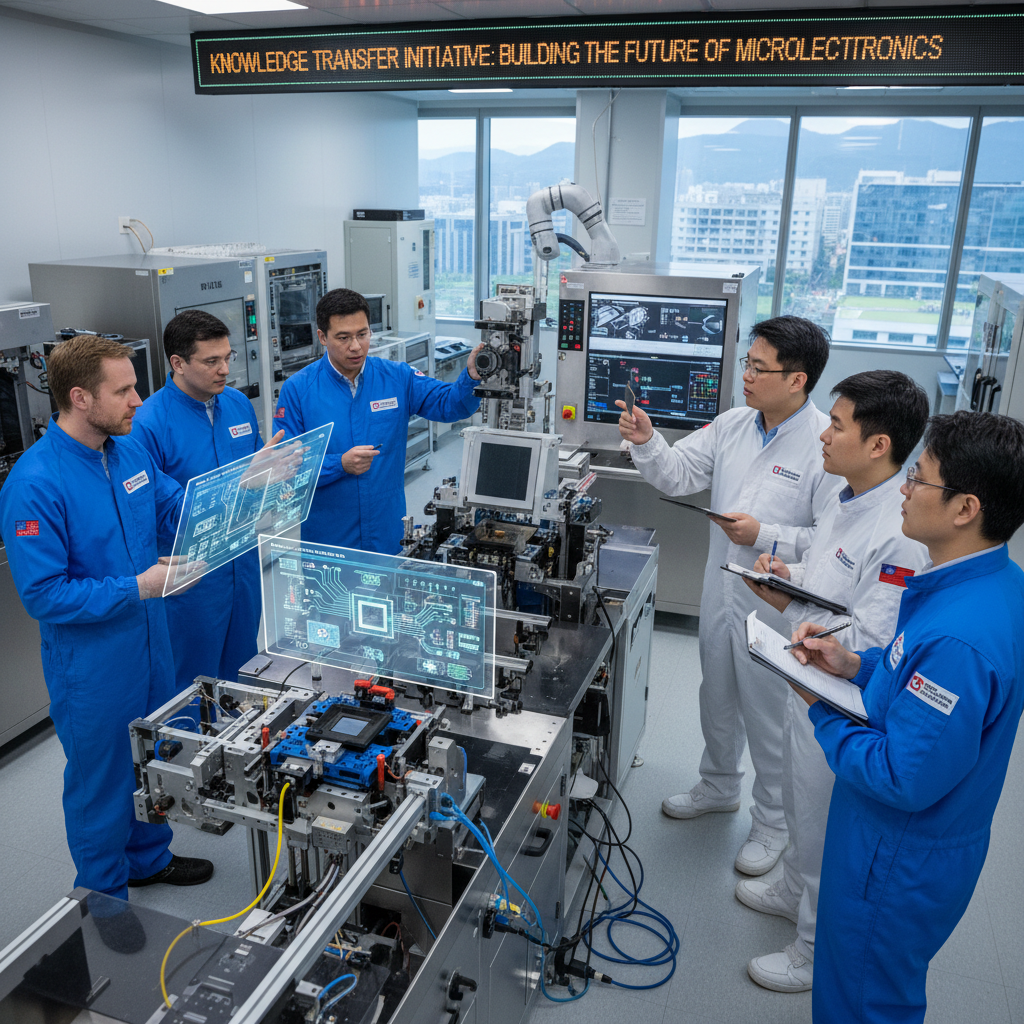
It’s not just about one-off workshops, either, or so the sources hint. We’re talking about robust programs, maybe even exchanges. Actual, tangible opportunities for Americans to learn skills that are, let’s be honest, kind of in a league of their own. It’s a pragmatic recognition that while we want to “make American made,” sometimes you need a little help from friends who’ve been perfecting the art for decades.
“This isn’t about handouts; it’s about a strategic uplift for our domestic capabilities, using international partnership as the catalyst.”
Geopolitics, Jobs, and the Art of the Deal, Redux
Now, let’s zoom out a bit. Why now? Why Taiwan? Well, besides their obvious technological might, Taiwan’s geopolitical position is… precarious, to put it mildly. China looms large, and any move that strengthens Taiwan’s ties with the US- especially economically- is going to be watched very, very closely. Trump’s past dealings with China were, shall we say, unconventional, and this potential deal feels like another chapter in that saga.
Balancing Acts and Bipartisan Blessings?
Think about it: providing job training, especially in high-demand sectors like advanced manufacturing and semiconductors, is a pretty appealing proposition across the political spectrum. It’s a talking point for almost any lawmaker wanting to show they’re serious about bringing good jobs back home. It’s got that “buy American, hire American” ring to it, but with an international cooperation twist that makes it feel… well, modern. Or at least like a creative solution to a really complex problem.
- The China Factor: Any deal with Taiwan is going to send ripples through Beijing. This could be seen as both an economic bolster for Taiwan and a subtle- or not so subtle- signal to China.
- Domestic Appeal: For a domestic audience, especially in an election cycle, promising tangible skills and job opportunities is pure political gold. It resonates with folks who feel left behind by economic shifts.
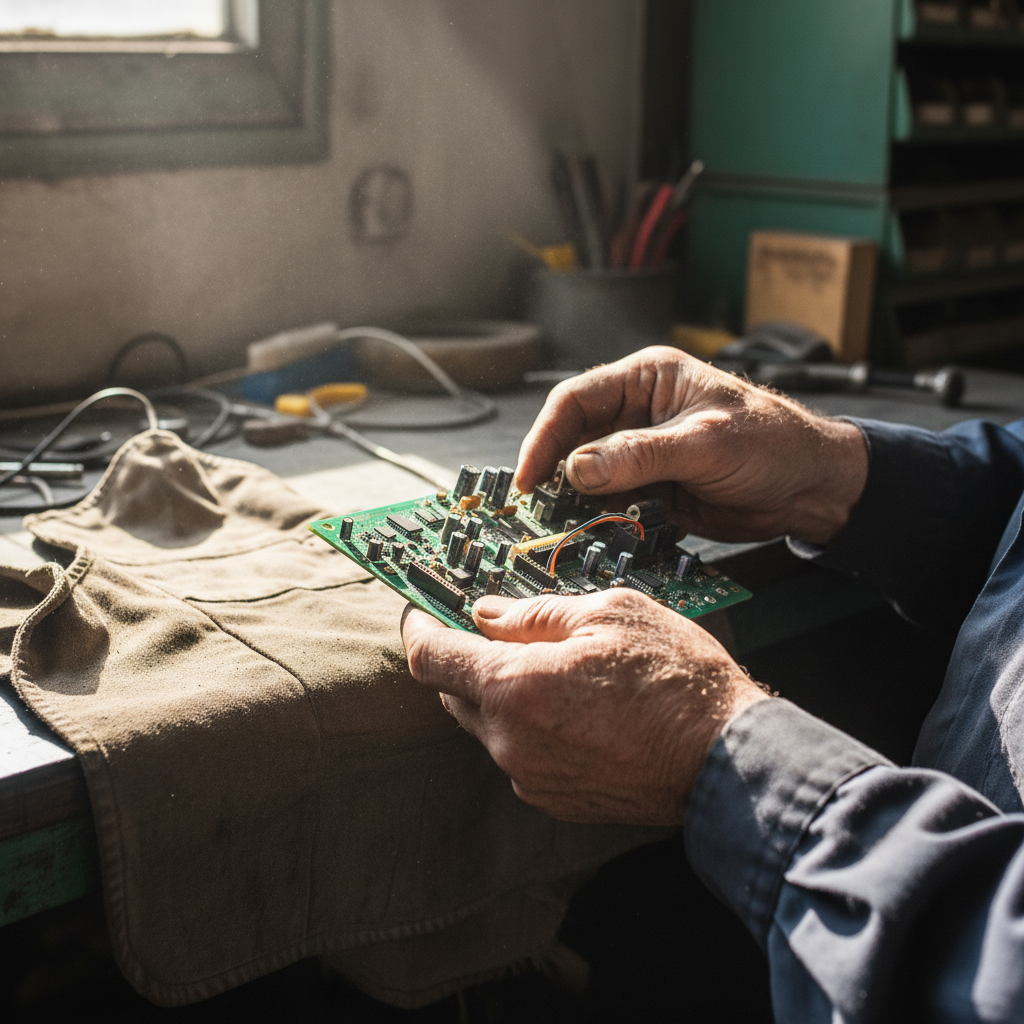
It also sort of speaks to a frustration that many have felt- why are we so reliant on other countries for critical components? This deal, if it goes through, sounds like an attempt to address that vulnerability head-on, by building the expertise right here at home. It’s a long game, for sure, but sometimes the most impactful moves are the ones that take a while to pay off.
So, What’s the Bottom Line Here?
This potential Trump-Taiwan trade deal- with its intriguing focus on US worker training- is one of those stories that just keeps giving. It’s not just about trade figures or diplomatic niceties; it’s about actual people, actual jobs, and the very real push and pull of global power. If it pans out, we could be looking at a significant shift, not just in how the US interacts with Taiwan, but in how we approach our own economic future and workforce development.
It’s an interesting blend of Trump’s characteristic negotiating style- big, bold, and often going for the jugular- mixed with a surprisingly practical approach to domestic job creation. It’s got all the hallmarks of a political chess match, where every move has multiple implications. And for those of us watching from the sidelines, popcorn in hand, it certainly promises to be an entertaining- and potentially very impactful- show.