
So the White House is starting its own TV channel. Let that sink in for a second. We’re not talking about a press briefing livestream or some glorified YouTube page – we’re talking “Trump TV,” a full-on media operation coming straight out of 1600 Pennsylvania Avenue, and it’s dropping right in the middle of a nasty fight with the press corps over access. Timing’s not exactly subtle here.
Wait, The White House Is Making Its Own Channel?
Yeah. Apparently so. Details are still kind of fuzzy – this is one of those stories where the outline is clear but the fine print is still getting filled in – but from what’s circulating, the idea is to bypass traditional outlets entirely and just… broadcast directly. No middleman. No White House press corps asking follow-up questions nobody wants to answer. Just messaging, straight from the source, packaged and delivered like a product.
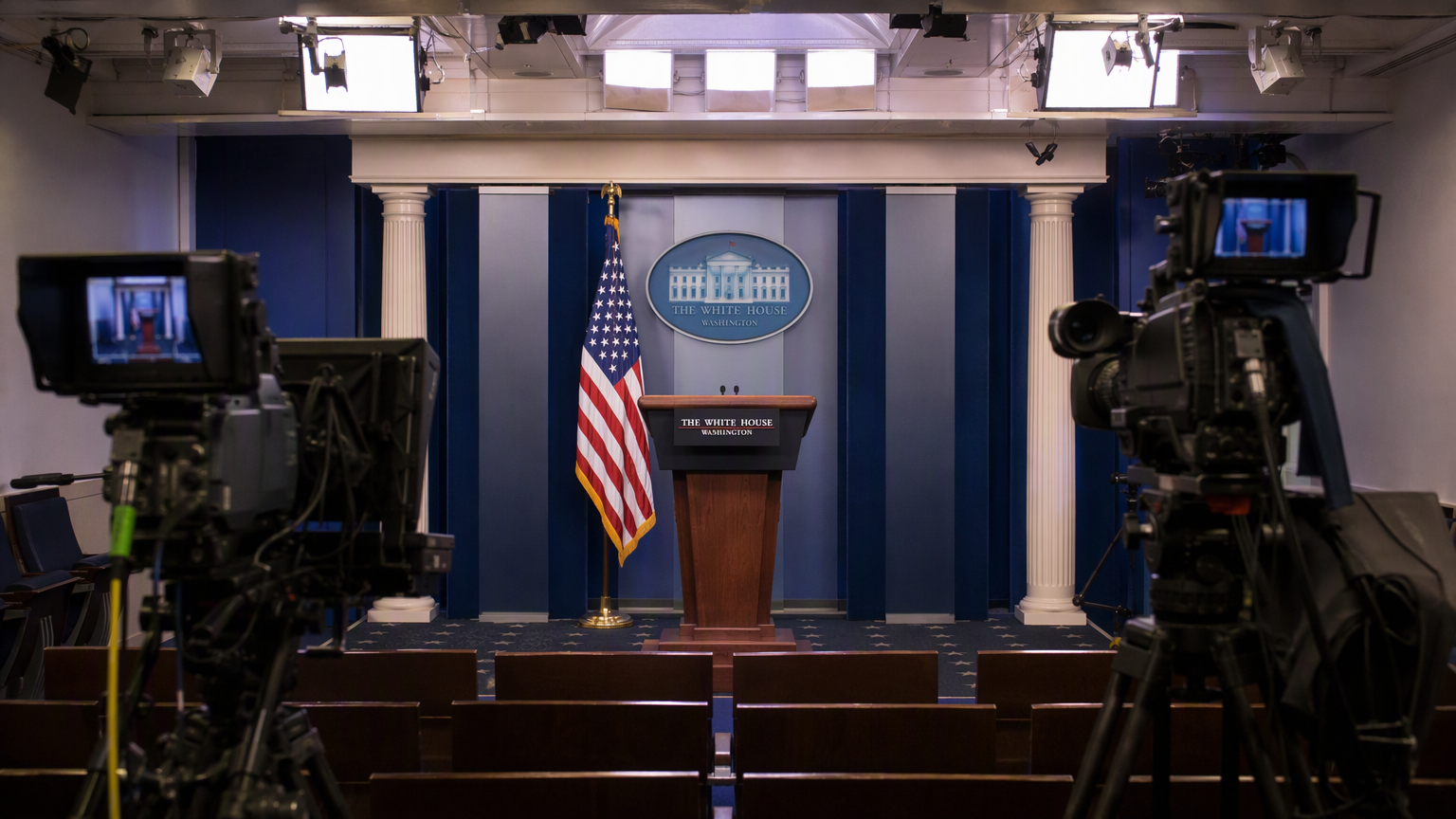
And look, I get the appeal from their side. If you’re the administration, why would you want reporters poking holes in your talking points when you could just… not have that problem? Cut out the friction, control the frame, control the narrative. It’s smart in a cynical way. It’s also a little unsettling, and I don’t think you need to be a media studies professor to feel that in your gut.
This Isn’t Exactly New, Though
People keep acting shocked, but honestly? This has been building for years. Administrations of both parties have flirted with going around the press – official social accounts, direct-to-camera videos, all that stuff. What’s different here is the scale and the branding. Calling it “Trump TV” isn’t an accident. It’s not pretending to be neutral. It’s a statement.
Why Now? Why During a Media Ban Fight?
This is the part that really gets me. The launch isn’t happening in a vacuum – it’s happening while there’s an active dispute over which outlets get access to the White House at all. So you’ve got reporters getting frozen out on one hand, and a brand-new in-house broadcast operation ramping up on the other. That’s not a coincidence, that’s a strategy. If you can’t control what the press says about you, you build your own press.
“When the referee gets kicked off the field, don’t be surprised when the score starts looking different.”
I made that quote up, not gonna lie, but it kind of captures the vibe, right? Once you remove the people whose job is to ask uncomfortable questions, whatever’s left standing gets to define the story. That should worry people regardless of which side of the aisle they’re on. Today it’s this administration. Tomorrow it could be literally anyone in power deciding accountability is optional.
The Access Fight Behind All This
Here’s the thing – the media ban dispute isn’t some side plot, it’s basically the whole reason this feels like such a big deal right now. Outlets that have covered the White House for decades are getting sidelined or restricted, and depending on who you ask, that’s either “long overdue pushback against biased coverage” or “a dangerous erosion of press freedom.” I’ll be honest, I lean pretty hard toward the second one. Access to the White House shouldn’t hinge on whether coverage was flattering last week.
What’s interesting here is how this plays with the base versus everyone else. Supporters are probably going to eat this up – finally, “unfiltered” access straight from the source, no spin from the “mainstream media.” Critics are going to call it exactly what it looks like: state media dressed up as innovation. Both reactions are predictable. Neither one is wrong about what they’re seeing, they just disagree on whether it’s a feature or a bug.
A Quick Reality Check
I’ve seen this pattern before, honestly, just not usually this blatant. Politicians love the idea of “going direct” because direct means no pushback. But there’s a difference between a candidate doing a podcast tour and the actual White House building broadcast infrastructure to compete with, or replace, independent journalism. One’s a communication strategy. The other starts to look like an information monopoly, and that’s a much bigger deal than a branding exercise.
What This Actually Means
Here’s my honest take: this is bold, sure, but bold isn’t the same as good. It’s a savvy move if your goal is narrative control. It’s a genuinely risky move if you care even a little about how democracies are supposed to function – with an adversarial press that annoys the people in charge on purpose, because that’s literally the job.
I don’t think Trump TV disappears anytime soon. If anything, expect it to expand, get slicker, maybe even pull in some familiar on-air names looking for a paycheck. And I wouldn’t be shocked if other political figures, on either side, start eyeing something similar down the road. Once one administration proves you can build your own megaphone and skip the room full of skeptical reporters, that genie doesn’t really go back in the bottle.
So yeah. Watch this space. Not because it’s flashy – though it is – but because how this plays out is going to say a lot about where the relationship between the White House and the press is actually headed. And that’s not a small thing, no matter which side of it you’re standing on.