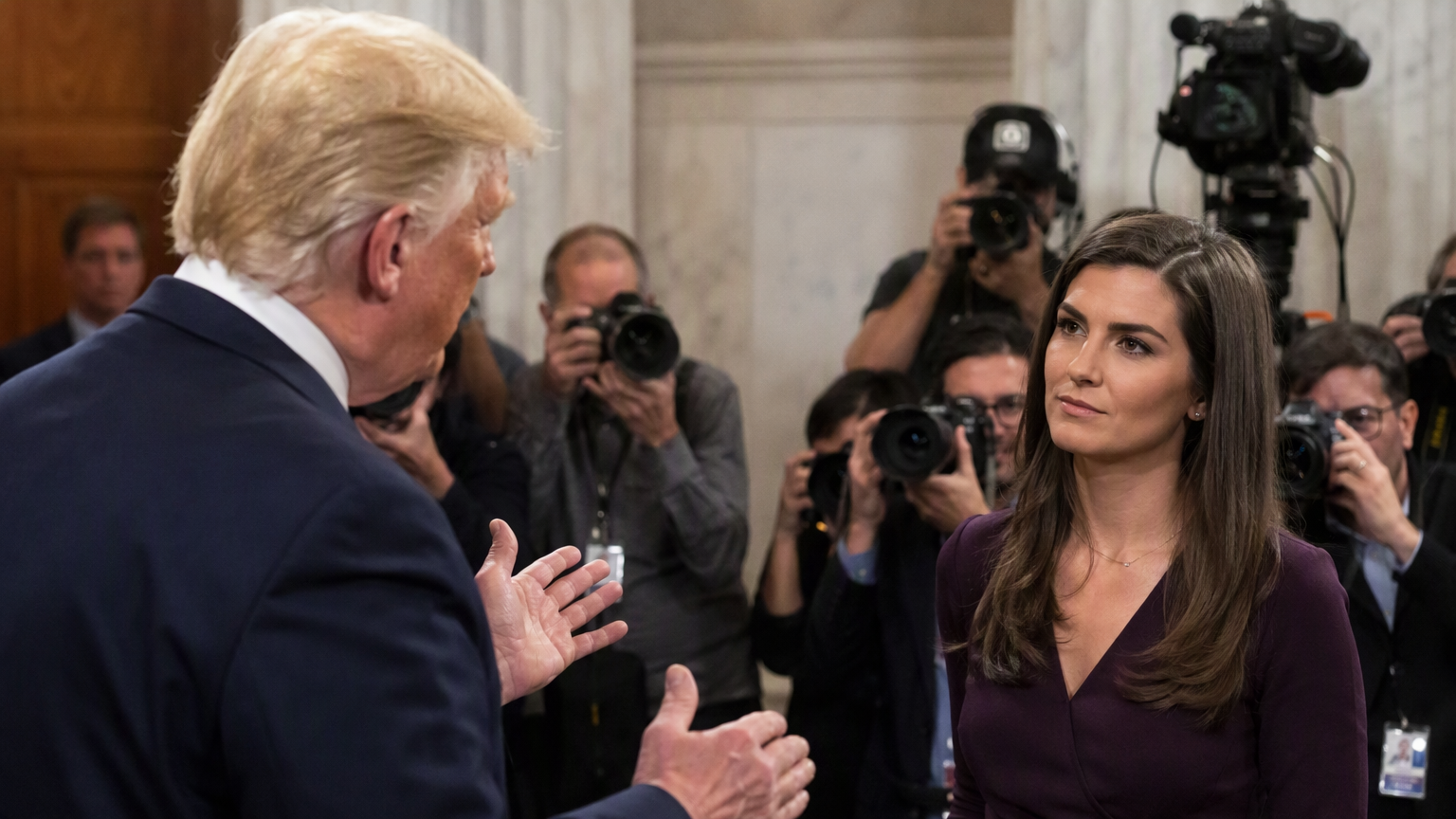
Donald Trump looked genuinely stunned. Not “performing surprise for the cameras” stunned, actually caught off guard. And when the president of the United States gets caught off guard by a journalist he specifically banned from covering him, well, that’s a story worth telling.
Wait, How Did She Even Get In There?
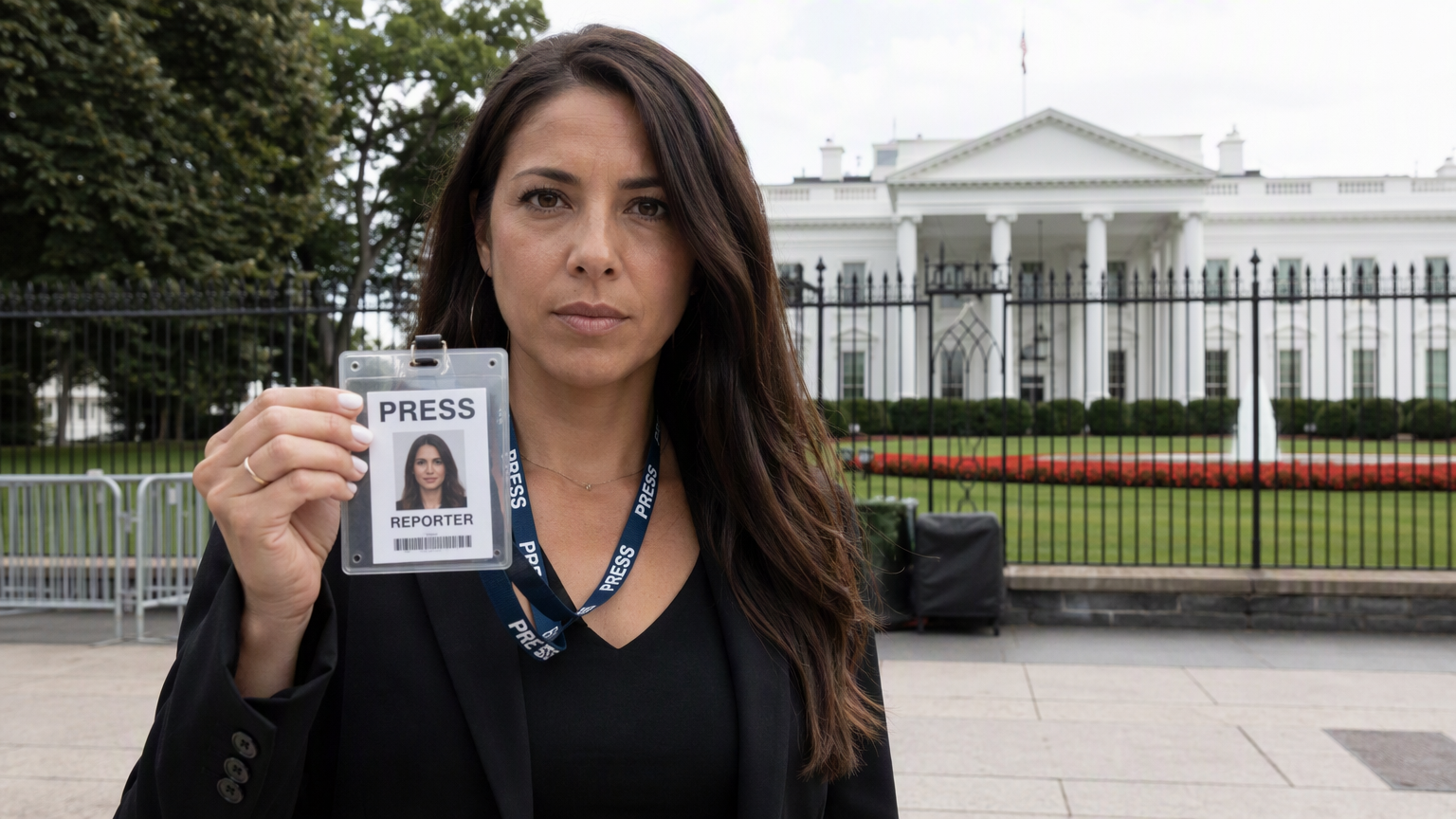
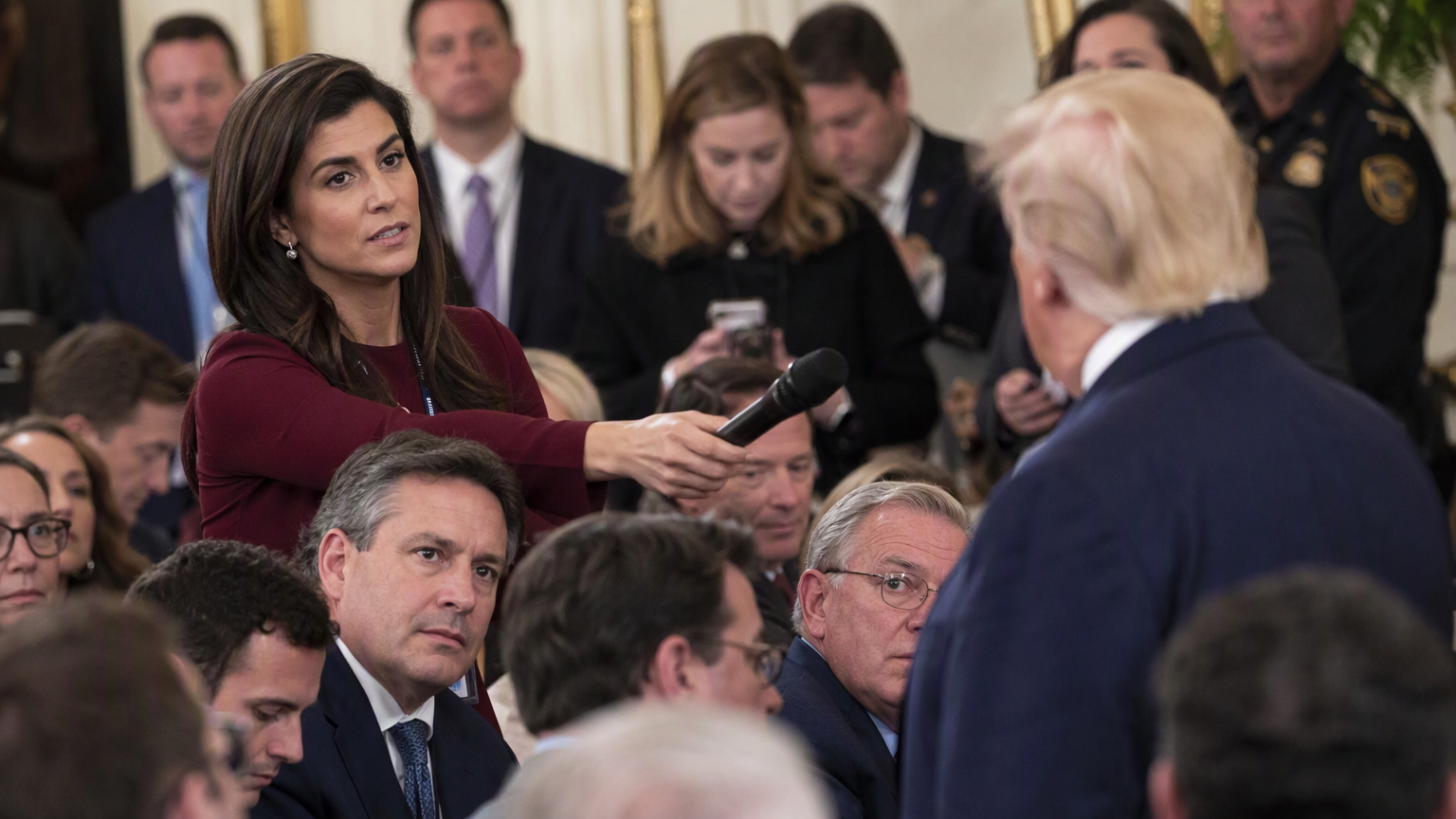
Here’s the setup: Kaitlan Collins, CNN’s chief White House correspondent, showed up to cover a Trump event tied to the UN, and Trump straight up called her out in front of everyone. “You should not be here covering me,” he reportedly said, or something close to it. The problem for him? She absolutely should’ve been there, at least according to the people who actually control the credentials at that particular venue.
See, the White House banned CNN, or at least tried to limit Collins specifically, from certain briefings and press pools. That’s been an ongoing saga for a while now, this administration has never been shy about picking favorites in the press room and punishing outlets it doesn’t like. But the UN doesn’t answer to the Trump White House. Different building, different rules, different set of gatekeepers entirely. So when Collins got credentialed through the UN system, she walked right back into a room Trump probably assumed was permanently closed to her.
The Jurisdiction Problem Nobody Talks About
This is honestly the funniest part of the whole thing if you ask me. The White House press pass system and the UN credentialing system are two completely separate operations. One does not control the other. Trump’s team can ban whoever they want from the briefing room, the press gaggles, Air Force One, whatever. But once you step outside that specific bubble, into a UN-run event, different rules apply. And apparently nobody on Trump’s side thought to check whether their ban actually extended that far. Spoiler: it didn’t.
Why This Actually Matters (Beyond the Drama)
Look, I get it, this could just read as another petty press-versus-president spat, and honestly, we’ve seen a hundred versions of this exact fight since 2017. But there’s something bigger buried in here. It’s about who actually controls access to power, and turns out, it’s not always the person you’d assume.
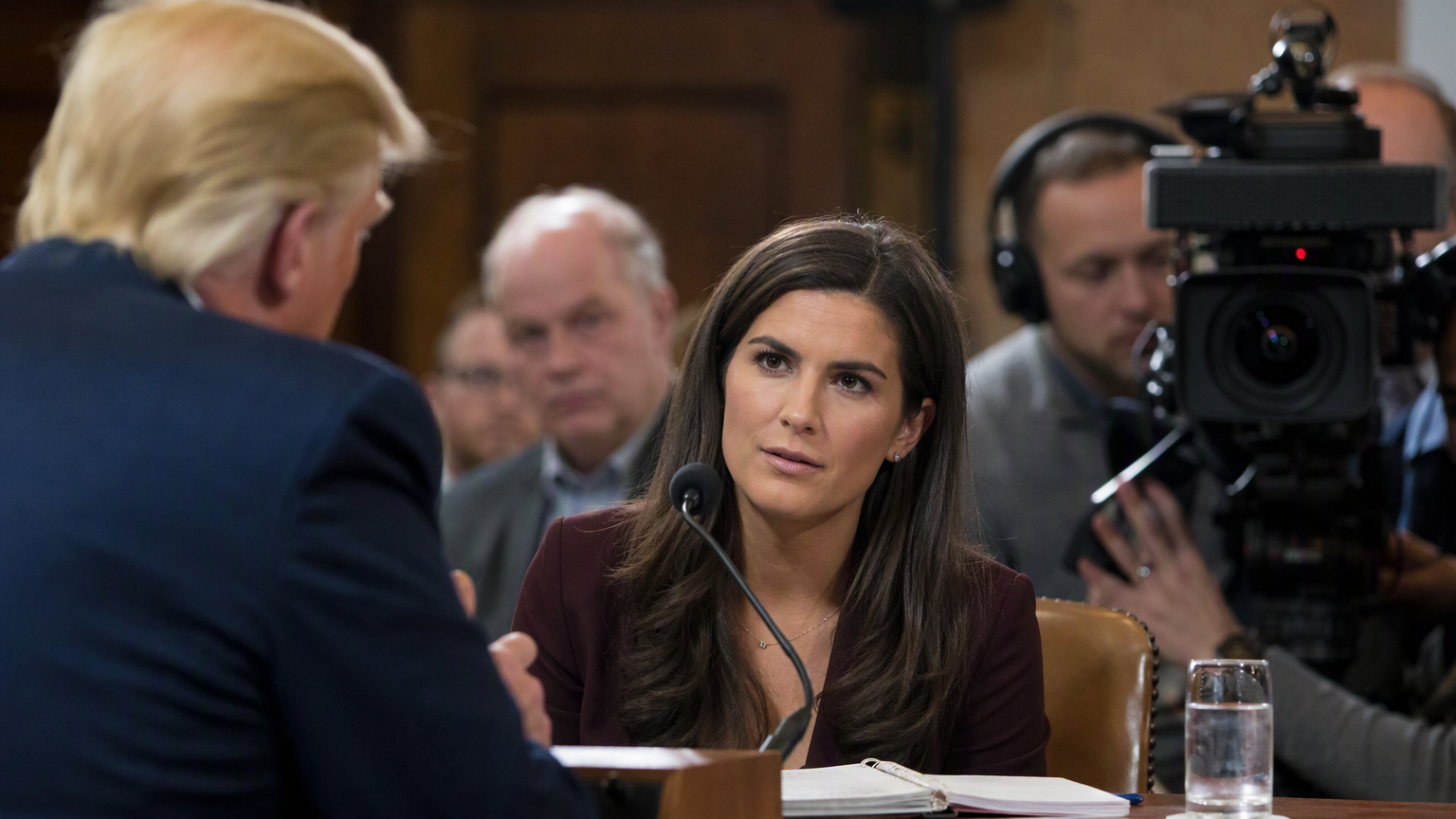
“You should not be here covering me.”
That line right there tells you everything about how Trump views the press. Not as an independent institution doing its job, but as something he personally grants or revokes access to, like a bouncer at his own club. Except this time the bouncer didn’t have jurisdiction over the venue. The UN wasn’t gonna let a domestic political feud dictate its own press credentialing process, and honestly, good for them.
The Bigger Pattern Here
I’ve watched this dynamic play out for years now, and it’s always the same script. An outlet or reporter gets on the administration’s bad side, access gets pulled, there’s outrage, there’s a lawsuit or a formal complaint, and eventually things either get resolved quietly or the ban just kind of… fades into irrelevance because reporters find other ways in. CNN sued the White House back in 2018 over similar access issues with Jim Acosta, remember that? They won, by the way. A federal judge ordered the White House to reinstate his credentials. So there’s actual legal precedent here that these blanket bans don’t hold up great under scrutiny.
What’s interesting here is that Collins didn’t even need a lawsuit this time. She just needed a different door. The UN, which hosts its own press corps and manages its own accreditation for events happening on UN grounds or under UN authority, doesn’t particularly care about beef between the Trump White House and CNN. Why would it? It’s got its own institutional interests, its own relationships with member states and press freedom advocates, and frankly, caving to pressure from one head of state over which reporters get in the room would set a pretty ugly precedent for every other country watching.
Trump’s Reaction Says a Lot
Not gonna lie, the surprise on his face (from what’s been described, at least, I wasn’t standing there) is kind of the whole story in miniature. This is a guy who’s used to controlling the room, controlling the guest list, controlling who gets to ask him questions and who doesn’t. And suddenly there’s Kaitlan Collins, notepad in hand, exactly where he didn’t expect her to be. That’s not a small thing for someone who treats media access like a personal favor he’s handing out or taking away.
And I think that’s really the crux of why this story picked up traction the way it did. It’s not really about Collins or CNN specifically. It’s about the limits of that kind of control. Turns out you can ban a reporter from your building, but you can’t ban them from every building on earth. The world’s a little bigger than the West Wing, even if it doesn’t always feel that way from inside it.
What This Actually Means
Here’s my honest take: this is a small moment, but it’s a genuinely revealing one. Press bans, especially the kind aimed at specific reporters rather than entire outlets, tend to be more about optics and control than actual security or logistics concerns. And when those bans run into an institution that isn’t playing by White House rules, they just… don’t work. Simple as that.
I’d bet we see more of this. More reporters finding side doors, more institutions like the UN, or even foreign governments hosting joint press events, quietly refusing to enforce domestic political grudges. It’s a reminder that access to power isn’t a single locked door with one key. It’s more like a building with a dozen entrances, and somebody’s always gonna find one that’s unlocked.
Trump got blindsided. Maybe next time his team checks the guest list a little more carefully. Or maybe not, honestly, given the track record here, I wouldn’t hold my breath.