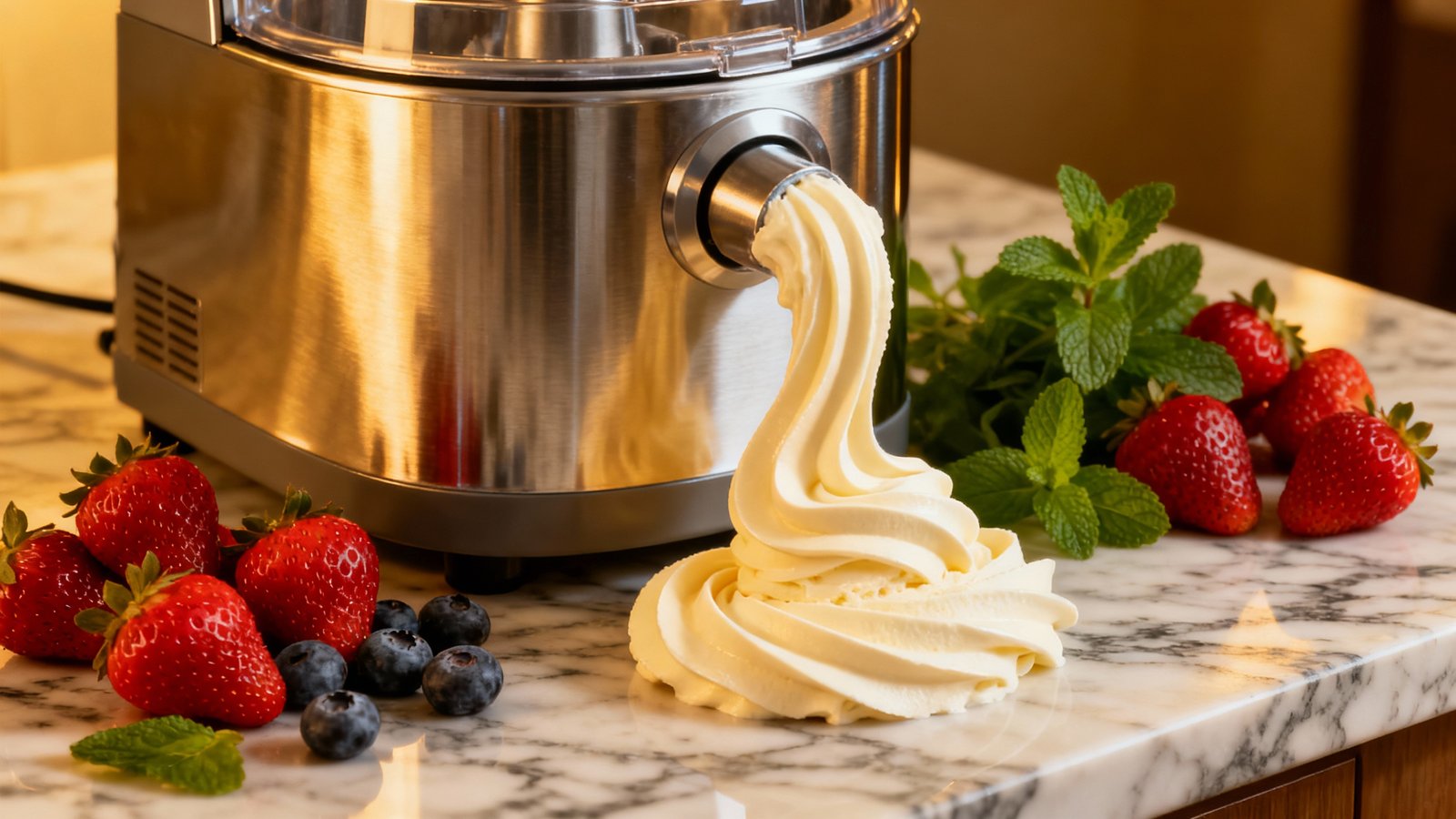
I’ll be honest – when someone first told me they spent nearly two hundred bucks on a countertop ice cream maker, I thought they’d lost their mind. Then I tried the thing. And now I’m that person, the one who can’t shut up about homemade salted caramel gelato at dinner parties.
The Ninja Creami has basically become a cult object over the past year or so, and for Black Friday, it’s down to $180. Which is still a chunk of change, don’t get me wrong. But here’s the thing – this isn’t your grandmother’s ice cream maker with the rock salt and the hand crank that nobody actually wanted to use. This is something different entirely.
What makes this deal kind of remarkable is that the Creami rarely drops below $200. I’ve been watching the price (because I’m apparently that person now) and this is legitimately one of the better sales we’ve seen all year. The timing couldn’t be better either, considering we’re heading into prime comfort food season and everyone’s about to spend the next three months indoors anyway.
Why This Thing Actually Lives Up to the Hype
Look, I’m usually skeptical about kitchen gadgets that promise to revolutionize your life. Most of them end up gathering dust next to the air fryer you used twice. But the Creami works on a fundamentally different principle than traditional ice cream makers, and that’s what makes it actually useful instead of just novel.
Traditional ice cream makers churn your mixture while it freezes. You know the drill – you make your base, chill it overnight, pour it into a pre-frozen bowl, wait 20-40 minutes while a paddle slowly churns. It’s fine. It works. But the Creami does something totally different.
The Secret’s in the Blade
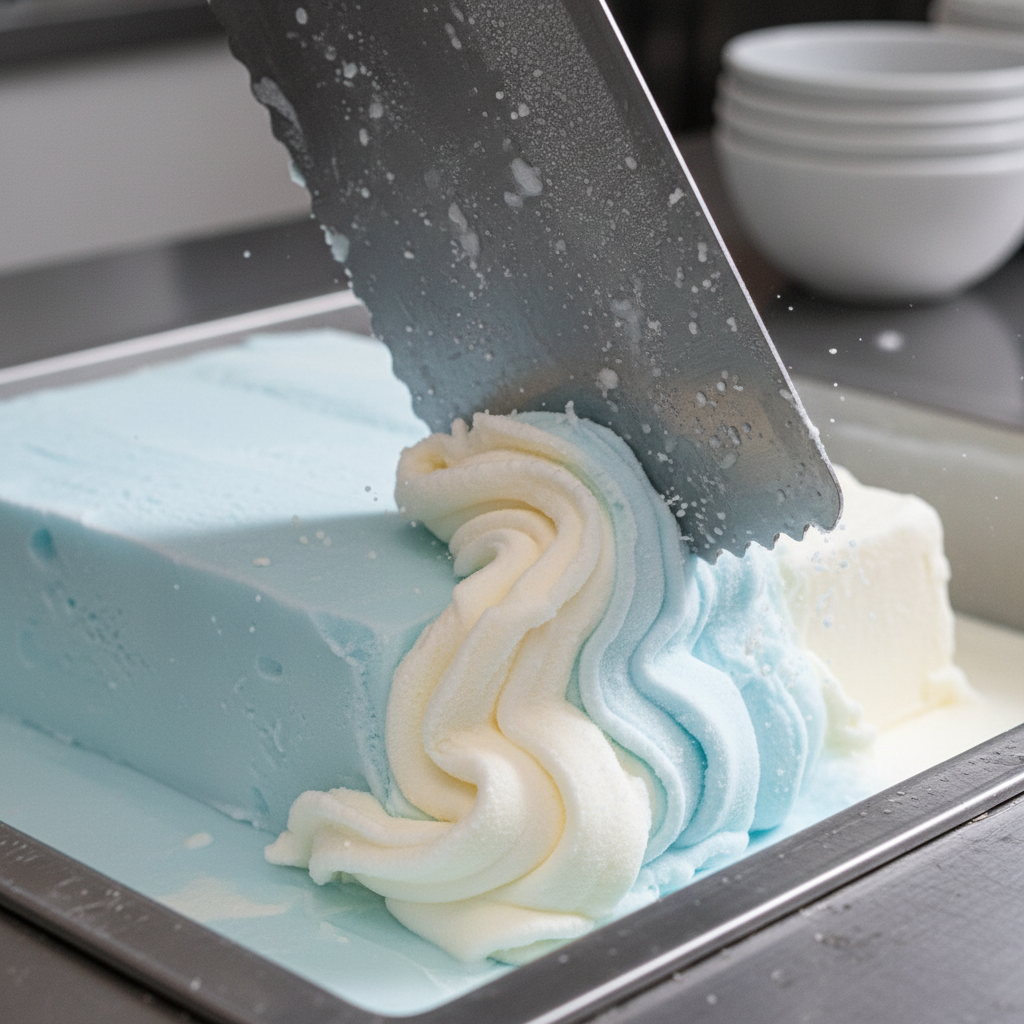
You freeze your mixture solid in special pint containers – and I mean completely solid, like a brick – then the Creami uses this aggressive blade system to literally shave and pulverize the frozen block into a creamy consistency. It’s kind of violent, actually. The machine sounds like it’s absolutely destroying whatever you put in there, which honestly makes it more entertaining to watch.
This approach means you can experiment way more freely than with traditional makers. Want to throw some protein powder in there and make high-protein ice cream? Go for it. Feeling adventurous with some weird flavor combination that might not work? You’re only risking one pint, not a whole batch. I’ve seen people make everything from cookie butter gelato to literal Cinnamon Toast Crunch ice cream (yes, it’s exactly what it sounds like).
The Texture Thing Nobody Tells You About
Here’s where it gets interesting. The texture you get from the Creami is noticeably different from churned ice cream. It’s denser, smoother, more like what you’d get from a high-end gelato shop. Some people absolutely love this. Others find it a bit too rich.
I’ve found that the key is understanding you’re not trying to replicate Ben & Jerry’s at home. You’re making something closer to premium gelato or soft serve. Once I adjusted my expectations, everything clicked. The denseness means the flavors come through more intensely too, which is why fruit-based recipes work surprisingly well in this thing.
What You’re Actually Getting for $180
The base model (which is what’s on sale) comes with everything you need to get started. You get the main machine, three pint containers with lids, and a couple of basic tools. That’s actually plenty for most people, though Ninja absolutely wants you to buy more containers separately because you’ll realize pretty quickly that three isn’t enough when you’re churning out different flavors.
- The machine itself: Compact enough to live on your counter without taking over your whole kitchen, which matters more than you’d think
- Three pint containers: These are proprietary, which is slightly annoying, but they’re designed to work with the blade system specifically
- Multiple settings: Ice cream, gelato, sorbet, smoothie bowl, milkshake – basically different blade speeds and patterns for different consistencies
- The “re-spin” function: This is lowkey genius because if your mixture comes out too icy, you can just run it through again
What you’re not getting is a huge capacity. These are pint-sized portions, which means if you’re planning to make dessert for a dinner party of eight, you’ll need to plan ahead and make multiple batches. On the flip side, this portion control thing has actually been kind of great for me personally because I can’t just demolish an entire quart in one sitting anymore. Well, I mean, I could make multiple pints, but that requires forethought and planning, which – let’s be real – usually doesn’t happen.
The Reality Check You Need to Hear
Alright, let’s talk about the downsides for a second because nothing’s perfect and you should know what you’re getting into.
The Waiting Game
First off, this isn’t instant gratification. You need to freeze your base for a full 24 hours before processing. That means if you wake up Sunday morning craving ice cream, you’re not eating it until Monday at the earliest. Some people prep a bunch of containers on the weekend and keep them in the freezer, which is smart if you have the freezer space. I don’t, so it’s more of a “remember to prep this a day ahead” situation.
The noise level is also something. When that blade is pulverizing frozen dessert mix, it’s loud. Not blender-loud exactly, but you’re definitely not running this thing while the baby’s sleeping or during your Zoom call. It only runs for a few minutes per pint, though, so it’s not like you’re dealing with sustained noise pollution.
The Recipe Learning Curve
Here’s the thing nobody mentions in the promotional videos – figuring out recipes takes some trial and error. The Creami comes with a recipe book, and there’s a massive online community sharing recipes, but getting the ratios right for your personal taste preferences takes experimentation. Too much sugar and it’s weirdly soft. Not enough fat and it’s icy. It’s a whole thing.
I’ve had some spectacular failures. My first attempt at chocolate ice cream came out with this weird grainy texture because I didn’t let the base cool properly before freezing. My “healthy” version with almond milk and stevia was basically frozen sadness. But once you figure out what works, you can crank out consistently good results.
“The best part isn’t even the ice cream itself – it’s the fact that you can control exactly what goes into it, which matters if you’re dealing with dietary restrictions or just want to avoid the seventeen types of stabilizers in store-bought.”
Is This Actually Worth It at $180?
Look, this depends entirely on how much you actually like frozen desserts. If you’re someone who buys a pint of ice cream maybe once a month, probably not. You’re better off just buying the good stuff from the store when the craving hits.
But if you’re regularly dropping eight bucks on premium pints, or you have kids who go through ice cream like it’s a food group, or you have dietary restrictions that make store-bought options limited and expensive – then yeah, this thing pays for itself eventually. The math works out to roughly 25-30 pints before you break even, assuming you’re comparing to premium ice cream prices.
For me, the real value has been in the experimentation. I’ve made flavors I’d never find in stores – lavender honey, brown butter pecan, Vietnamese coffee with condensed milk. Some of them were disasters (the basil gelato was a mistake), but some of them have been genuinely restaurant-quality good. That’s kind of addicting in itself.
Plus, and I can’t stress this enough, there’s something weirdly satisfying about watching this machine absolutely demolish a frozen pint into silky smooth ice cream. It’s the kitchen gadget equivalent of those oddly satisfying videos people watch to relax. Worth $180? Maybe not just for the entertainment value. But it doesn’t hurt.
The Black Friday deal runs through the weekend, from what I can tell. If you’ve been on the fence about this thing, this is probably your best shot until next year. Just make sure you’ve got the freezer space before you commit. And maybe start browsing those online recipe communities now, because you’re gonna need them.